
Laser Gingivectomy Case Study in Sunbury
Laser Gingivectomy Case Study in Sunbury
Can Laser Gingivectomy Improve Gummy Smile Appearance in Sunbury?
Case Note ID: Dec-2024-LG
Location: New Gisborne Dental House (serving the Sunbury, Macedon Ranges and surrounding areas)
Primary Treatments: Laser gingivectomy
Supporting Technology: Soft tissue dental laser
Presenting Clinical Problem
- Excessive gingival display affecting smile aesthetics
- Patient reported self-consciousness regarding gum-to-tooth ratio
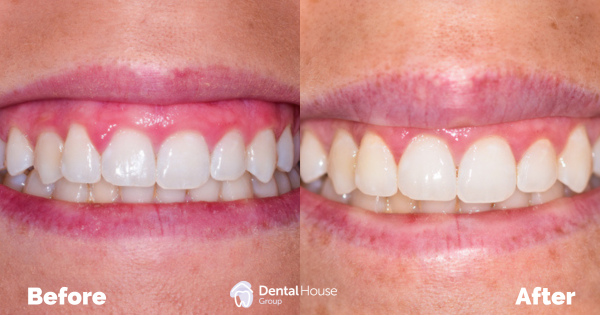
- Clinical assessment indicated scope for soft tissue recontouring
- Primary objective: Adjust gingival margins to improve crown length appearance
Treatment Plan & Clinical Process
Phase 1: Assessment and Treatment Planning
- Comprehensive periodontal examination
- Evaluation of gingival biotype and attachment levels
- Digital imaging to plan desired gum line positioning
- Discussion of realistic outcomes and potential complications
Phase 2: Laser Gingivectomy Procedure
- Soft tissue laser used for precise gingival recontouring
- Conservative removal of excess gingival tissue
- Haemostasis achieved through laser coagulation properties
- Post-operative care instructions provided
Phase 3: Healing and Review
- Follow-up appointments scheduled to monitor healing
- Assessment of tissue response and final aesthetics
Clinical Outcome
The laser gingivectomy procedure was completed in a single appointment, with immediate visible adjustment to the gum line height. The laser technique facilitated controlled tissue removal and reduced bleeding during the procedure compared to traditional scalpel methods.
Individual responses to soft tissue procedures vary significantly based on healing capacity, tissue type and anatomical factors. Treatment outcomes cannot be guaranteed, and results observed in this case do not necessarily reflect outcomes other patients may experience. Potential complications include tissue regrowth, sensitivity, uneven healing and the need for revision procedures. Long-term maintenance of gingival aesthetics requires appropriate oral hygiene and periodic professional review.
Frequently Asked Questions for Sunbury Patients
What are the risks of laser gingivectomy?
Risks include post-operative discomfort, temporary sensitivity, uneven tissue healing, potential for tissue regrowth and rare complications such as infection or excessive tissue removal. Individual healing responses vary, and multiple treatment sessions may be required to achieve desired results.
How long does recovery from laser gingivectomy take?
Initial healing typically occurs within 7-14 days, though complete tissue maturation may take several weeks. Discomfort levels vary among patients. Some temporary dietary modifications and careful oral hygiene are usually recommended during the healing period.
Is laser gingivectomy permanent?
Gingival tissue can regenerate over time in some patients, particularly if oral hygiene is inadequate or if periodontal disease develops. Regular dental reviews and appropriate home care are essential to maintain results. Treatment longevity cannot be guaranteed and varies significantly between individuals.
Disclaimer: The material posted is for informational purposes only and is not intended to substitute for professional medical advice, diagnosis or treatment. Results vary with each patient. Any dental procedure carries risks and benefits. If you have any specific questions about any dental and/or medical matter, you should consult your dentist, physician or other professional healthcare providers.
Services we mentioned:


More Patient Journeys
SS’s Porcelain Veneers & Whitening in New Gisborne
Check out SS’s smile makeover journey in New Gisborne. SS came to our practice concerned because she wanted to improve and brighten her sm…
Rita’s Smile Makeover in Bacchus Marsh
We want to share Rita’s dental smile makeover journey with Composite Veneers in Bacchus Marsh. Rita had always wanted to improve her smile …
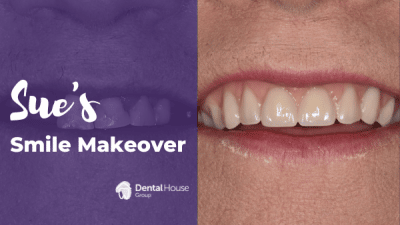
Sue’s Denture Journey in Melbourne
We want to share with you Sue’s denture journey in Melbourne. Sue is one of our lovely patients from Melbourne. Sue wanted to fix her teet…
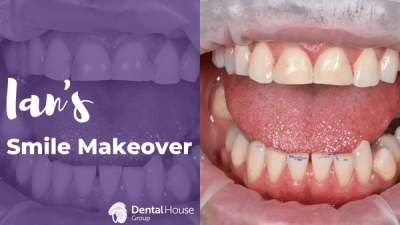
Ian’s Smile Makeover in Gisborne
We want to share with you Ian’s smile makeover journey in Gisborne. Ian felt overly self-conscious every time he talked and smiled. He went …