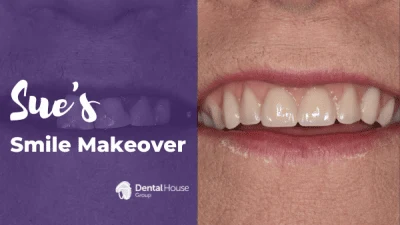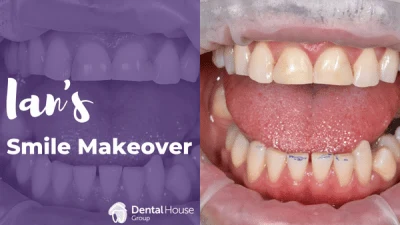
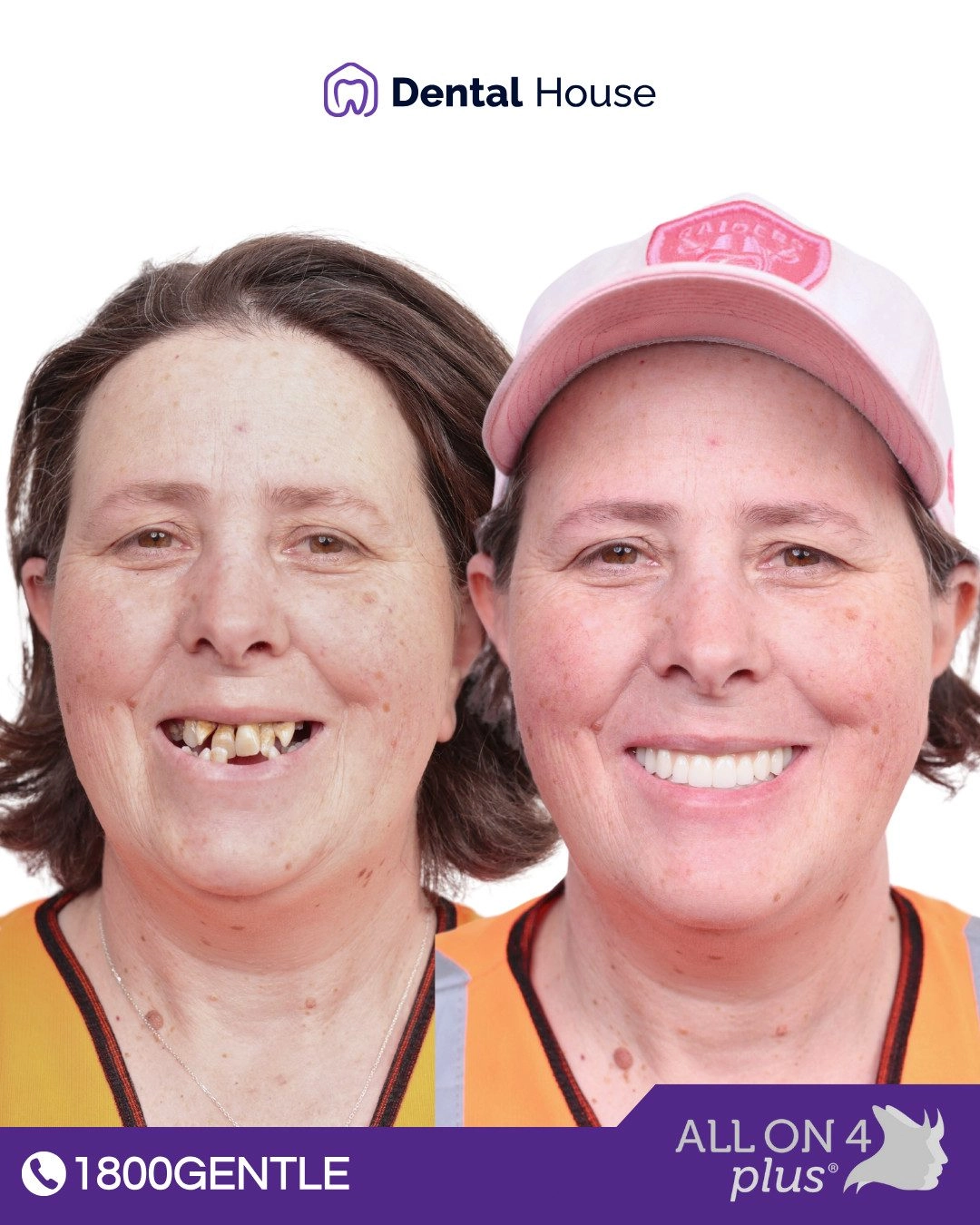
Rita’s Smile Makeover in Bacchus MarshRead more
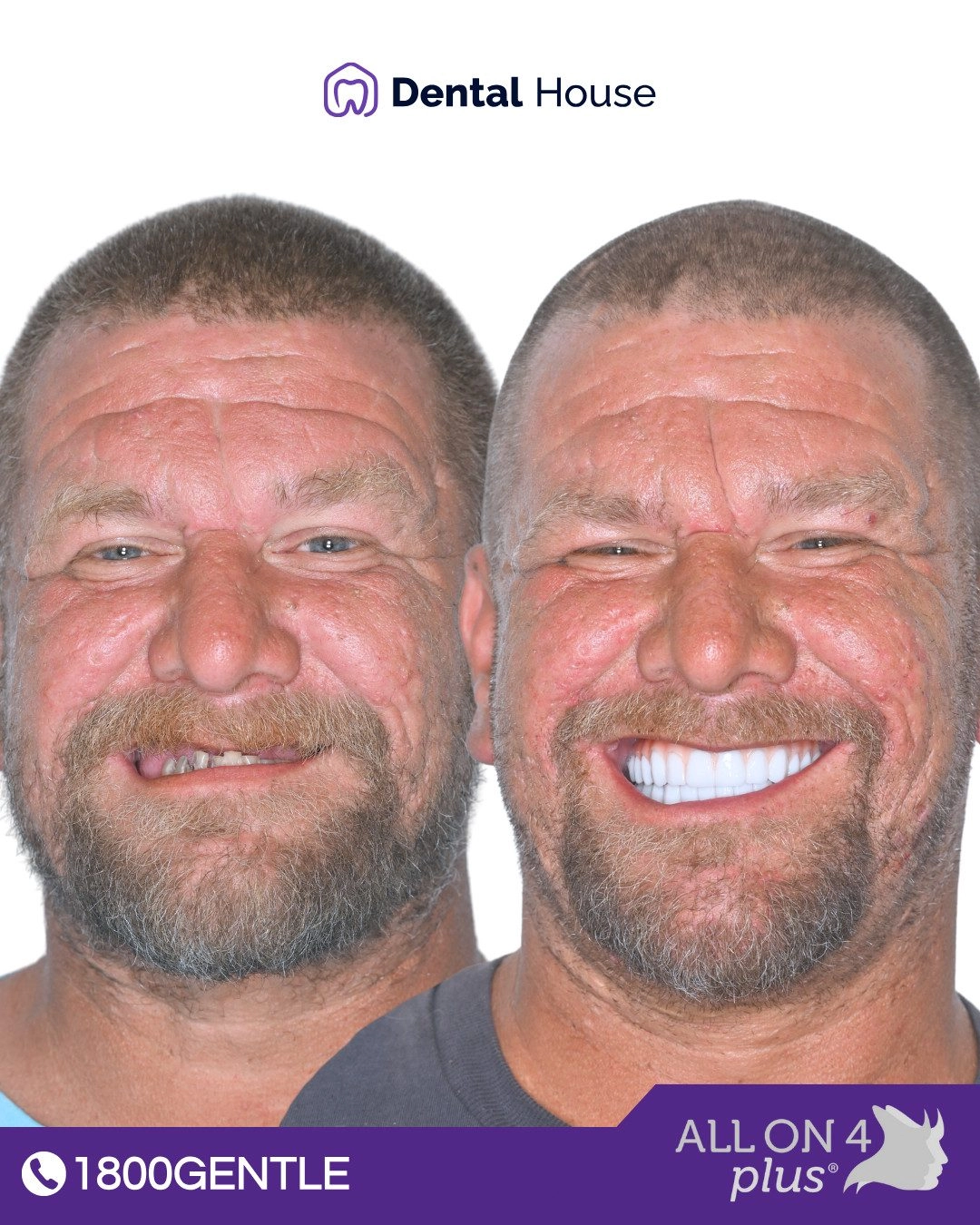
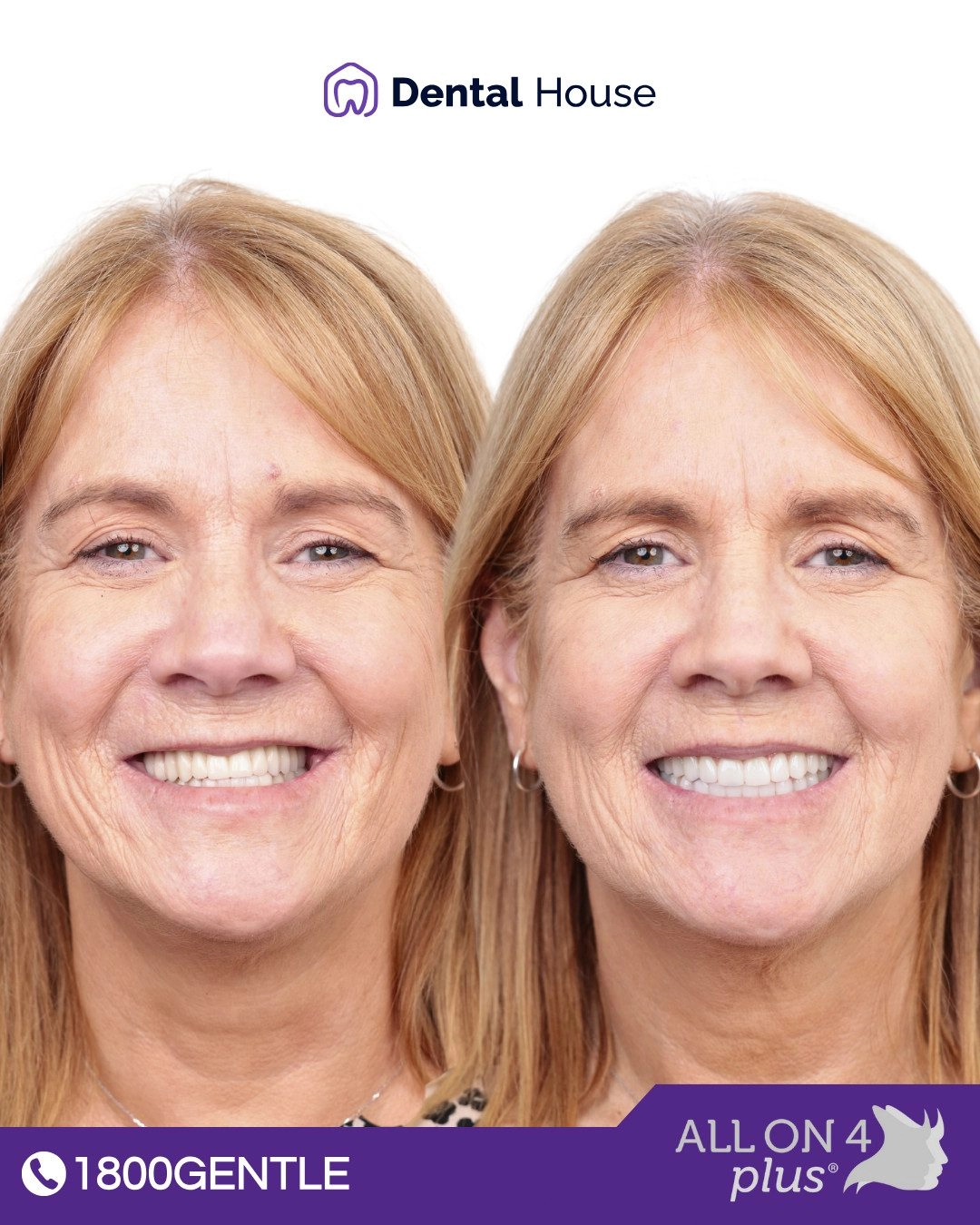
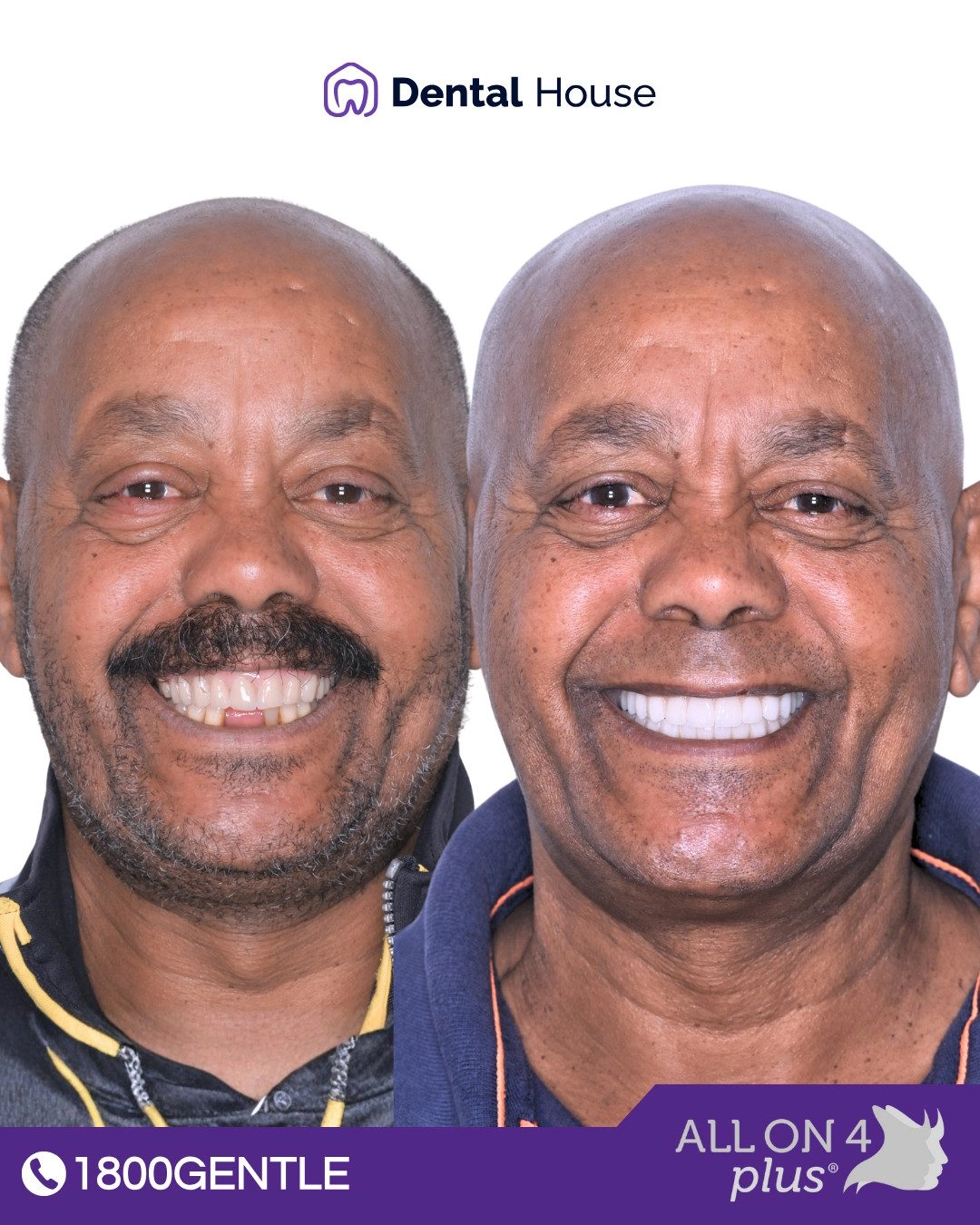
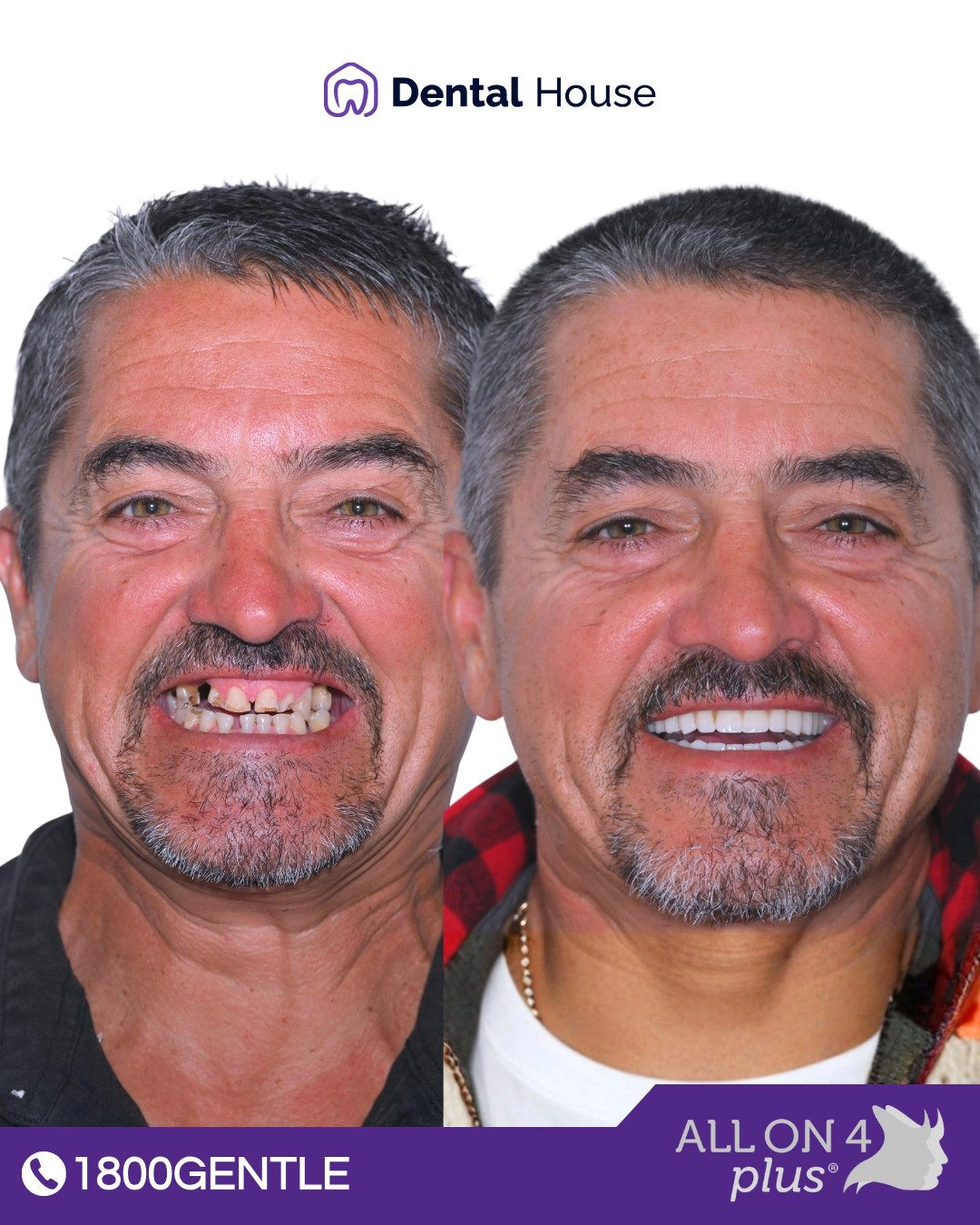
Considering periodontal treatment in Gisborne? At New Gisborne Dental House, our compassionate team combines nearly 40 years of experience with established periodontal therapy techniques to help address gum disease and related oral health concerns through personalised treatment.
Periodontal disease (gum disease) can significantly impact your oral health and overall wellbeing. Potentially leading to tooth loss, bone damage, and systemic health complications if left untreated. At New Gisborne Dental House, we’ve helped thousands of families across Gisborne, Macedon, and Riddells Creek address periodontal concerns through comprehensive treatment approaches that may help manage disease progression when suitable for individual cases.
Periodontal treatment encompasses various established therapeutic procedures designed to manage gum disease, control bacterial infection, and preserve the supporting structures of teeth. Rather than single interventions, treatment approaches range from non-surgical scaling and root planing to surgical interventions, depending on disease severity and progression. Periodontal disease typically begins with bacterial plaque accumulation, progressing from gingivitis (gum inflammation) to periodontitis (infection of deeper tissues and bone).
Non-surgical treatment focuses on removing bacterial deposits, smoothing root surfaces, and establishing conditions for healing, whilst surgical options may be necessary for advanced cases requiring tissue regeneration or pocket reduction. The treatment approach selected depends on individual diagnosis, disease stage, patient health status, and response to initial therapy. Treatment aims to halt disease progression, reduce bacterial load, promote tissue healing, and establish maintenance protocols for long-term oral health, though success depends on patient compliance with ongoing care and professional maintenance requirements.
At New Gisborne Dental House, we take time to understand your unique situation. Periodontal treatment may be worth considering after our thorough, gentle evaluation, though suitability varies significantly between individuals based on disease severity and health status.
Treatment approaches vary significantly based on your disease severity and individual response, but here's a general overview:

Our caring team performs a detailed examination with gum measurements, X-rays, and thorough evaluation of disease extent and severity. (1-2 appointments, typically 90-120 minutes total)

We determine disease stage, establish treatment goals, discuss various therapy options, and create a personalised treatment sequence. (Same visit or follow-up consultation)

Scaling and root planing procedures are performed to remove bacterial deposits and smooth root surfaces, typically using local anaesthesia for comfort. (2-4 appointments depending on extent, typically 60-90 minutes per quadrant)

Initial healing is monitored, treatment response assessed, and decisions made about additional therapy needs based on tissue response. (Follow-up visit 4-6 weeks after initial therapy)

Surgical intervention or additional procedures may be recommended if non-surgical therapy doesn't achieve adequate disease control. (Additional visits as needed based on individual response)

Long-term maintenance schedule is established with regular professional cleanings and monitoring to prevent disease recurrence. (Ongoing appointments every 3-6 months depending on individual needs)
Periodontal treatment offers established approaches to managing gum disease, though it involves dental procedures and carries particular risks and recovery considerations.
Possible risks include:
Recovery considerations:
Early signs include bleeding gums, swelling, persistent bad breath, or gum recession. However, periodontal disease can progress without obvious symptoms. Regular professional examinations are essential for early detection and timely treatment intervention.
Periodontal disease is typically managed rather than cured, as it’s a chronic condition requiring ongoing maintenance. With proper treatment and maintenance, disease progression can be halted and oral health restored, but vigilant ongoing care is necessary.
Maintenance frequency varies based on individual disease severity, treatment response, and risk factors, typically ranging from every 3-4 months. We’ll establish a personalised maintenance schedule based on your specific needs and treatment outcomes.
We offer flexible payment plans to suit your budget. Get the dental care you need, when you need it.



Your journey begins with a caring consultation to explore your personal circumstances and determine whether periodontal treatment might suit your needs. Get in touch with our New Gisborne team today.
Disclaimer: The material posted is for informational purposes only and is not intended to substitute for professional medical advice, diagnosis or treatment. Results vary with each patient. Any dental procedure carries risks and benefits. If you have any specific questions about any dental and/or medical matter, you should consult your dentist, physician or other professional healthcare providers.