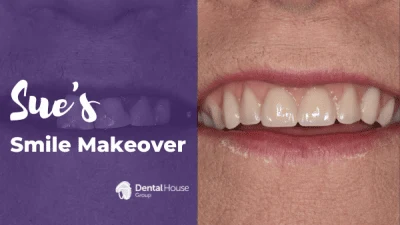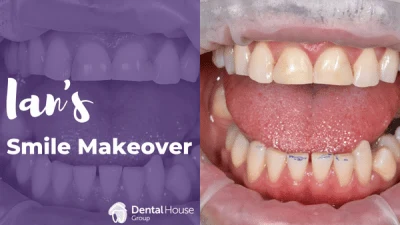
Rita’s Smile Makeover in Bacchus MarshRead more
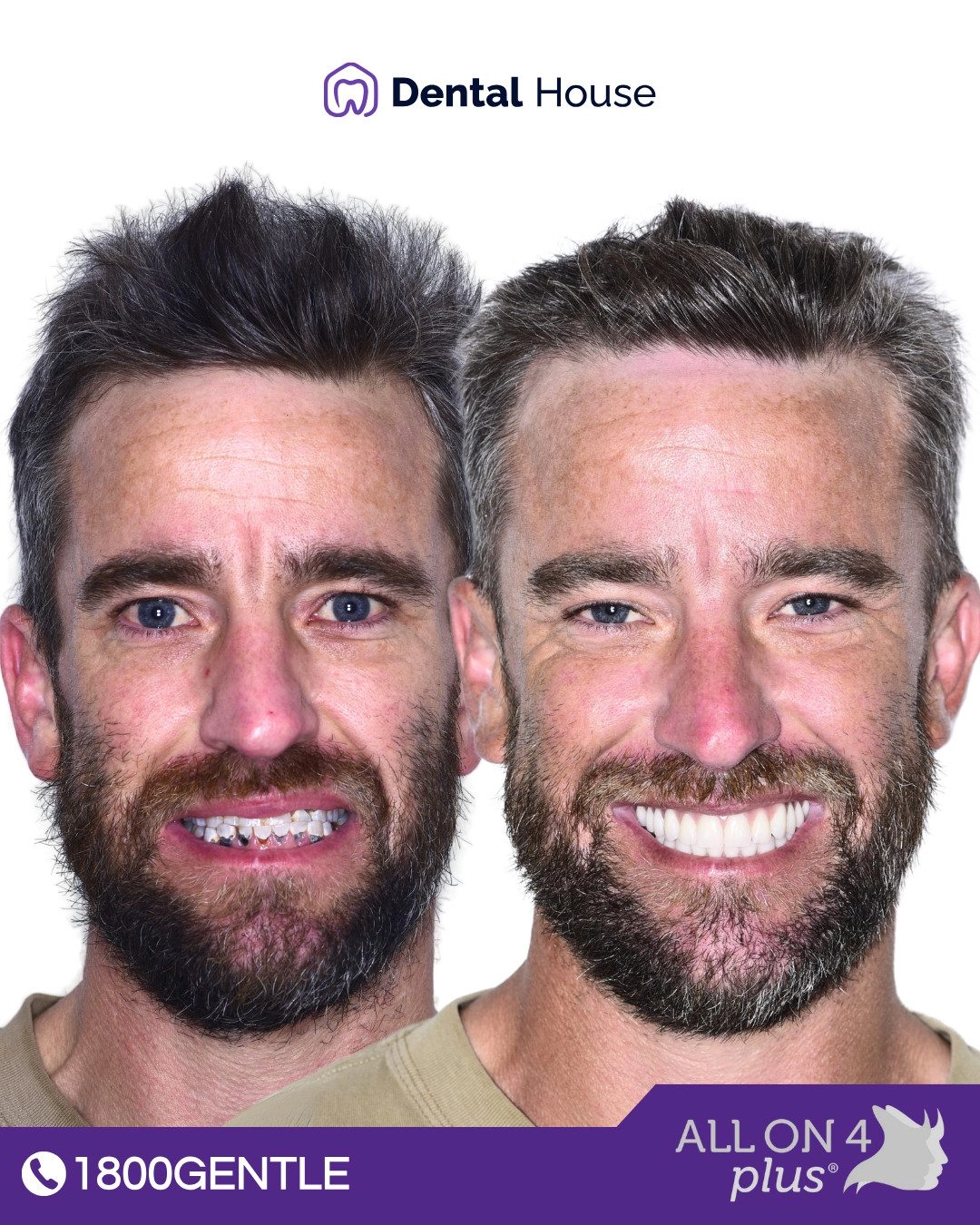
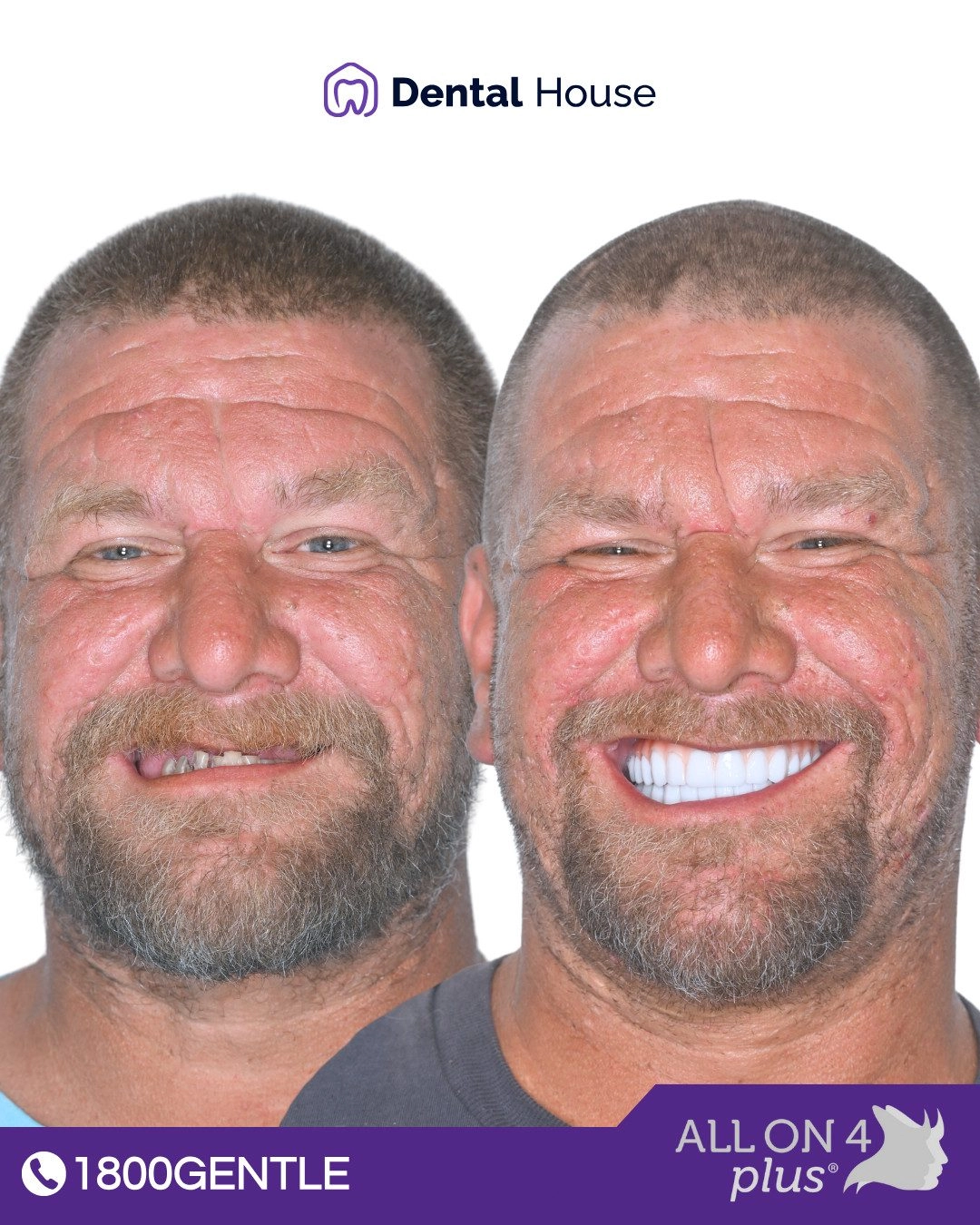
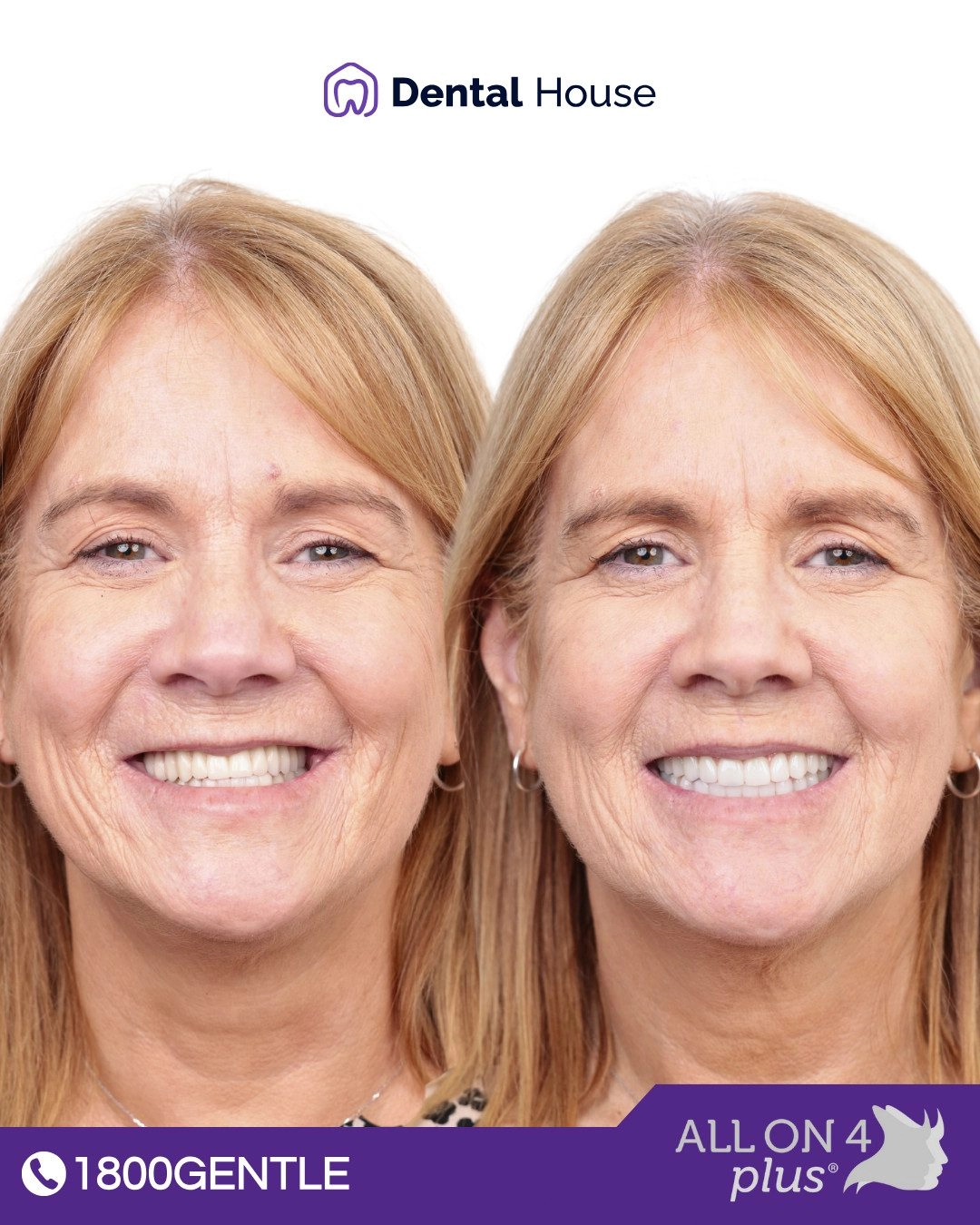
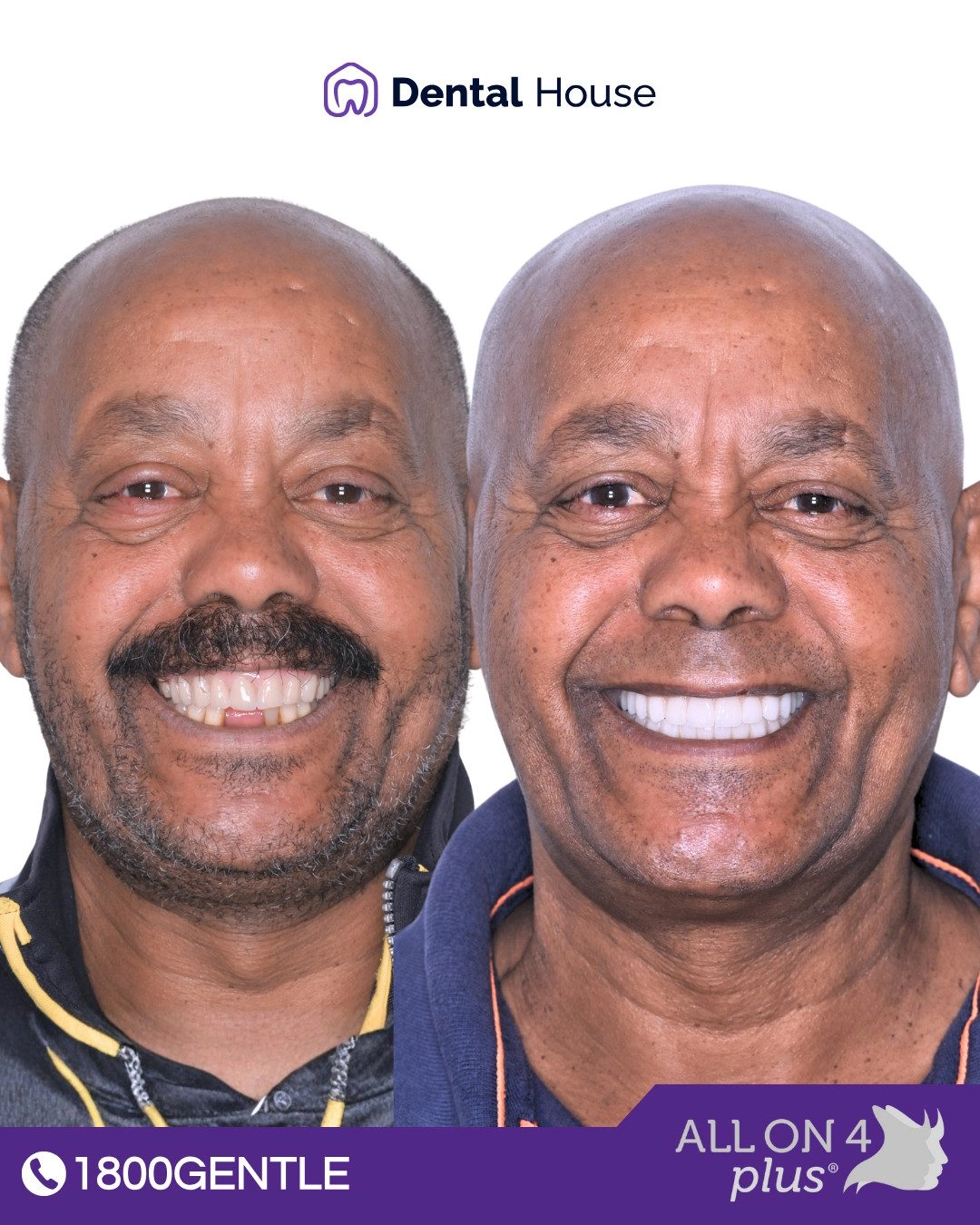
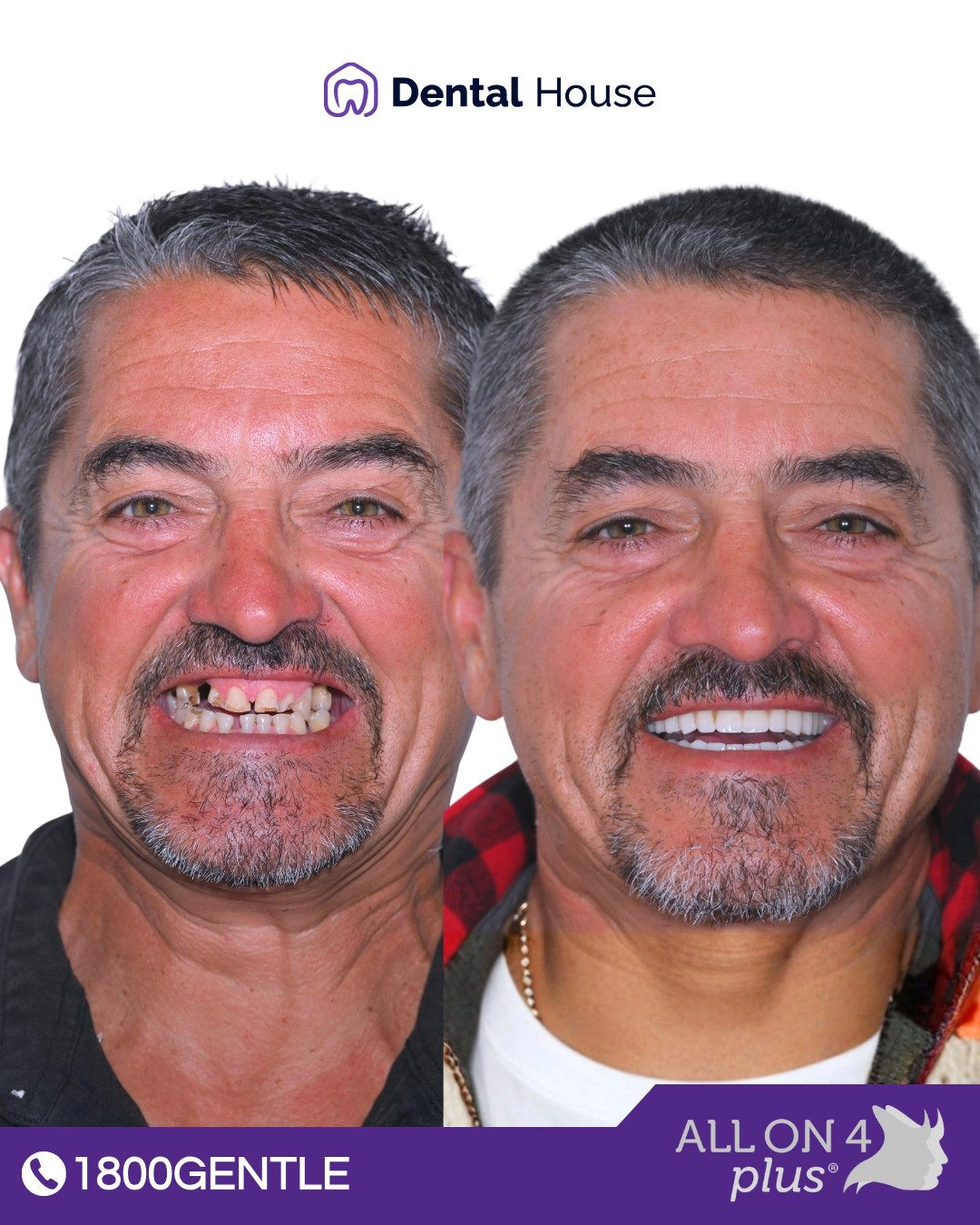
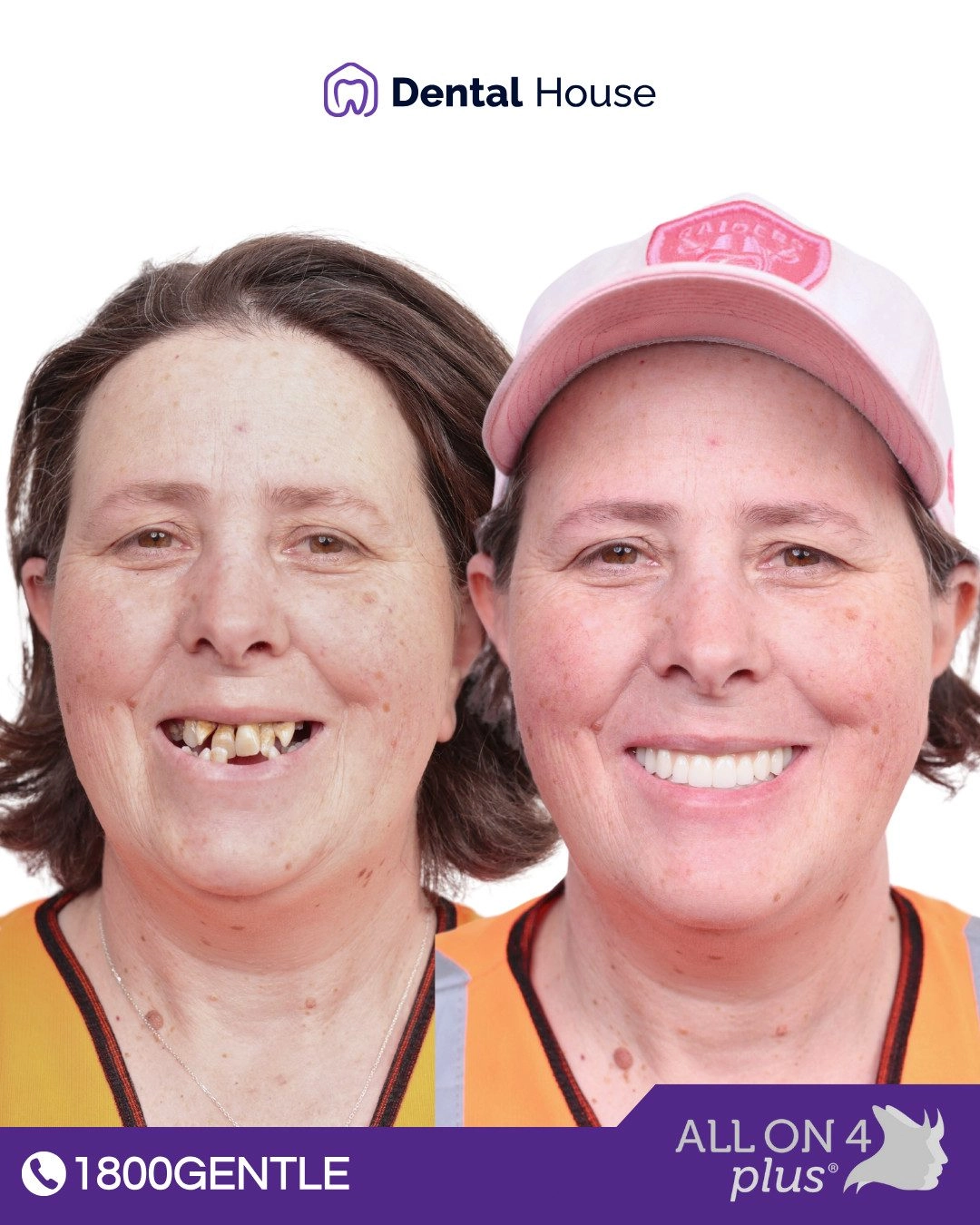
Considering immediate dental implants in Gisborne? At New Gisborne Dental House, our compassionate team combines nearly 40 years of experience with advanced techniques to provide immediate implant solutions where clinically appropriate.
Immediate dental implants offer placement directly after tooth extraction in one appointment, potentially reducing treatment time and helping preserve bone structure. This approach needs specific conditions including sufficient bone quality, no active infection, and appropriate healing capacity. At New Gisborne Dental House, we’ve helped thousands of families across Gisborne, Macedon, and Riddells Creek determine if immediate placement suits their individual circumstances.
Immediate dental implants involve positioning a titanium post into the jawbone right after tooth extraction during the same visit, removing the traditional waiting period between extraction and implant placement. Rather than scheduling two separate surgeries months apart, this approach combines both procedures when clinically suitable. This method may help maintain bone structure and soft tissue shape, though success depends on adequate bone stability, an infection-free extraction site, and proper initial implant stability.
Treatment suitability requires thorough assessment of bone density, extraction site condition, absence of infection, and overall health status. Not every extraction site is appropriate for immediate placement, and healing responses vary between individuals. The implant still needs osseointegration over several months before your final crown can be attached, though the initial surgery combines two procedures into one appointment when clinically appropriate.
At New Gisborne Dental House, we take time to understand your unique situation. Immediate dental implants may be worth considering after our thorough, gentle evaluation, though suitability varies significantly between individuals and specific criteria must be met.
Treatment duration depends on your individual tooth condition and bone quality, but here's a general overview:

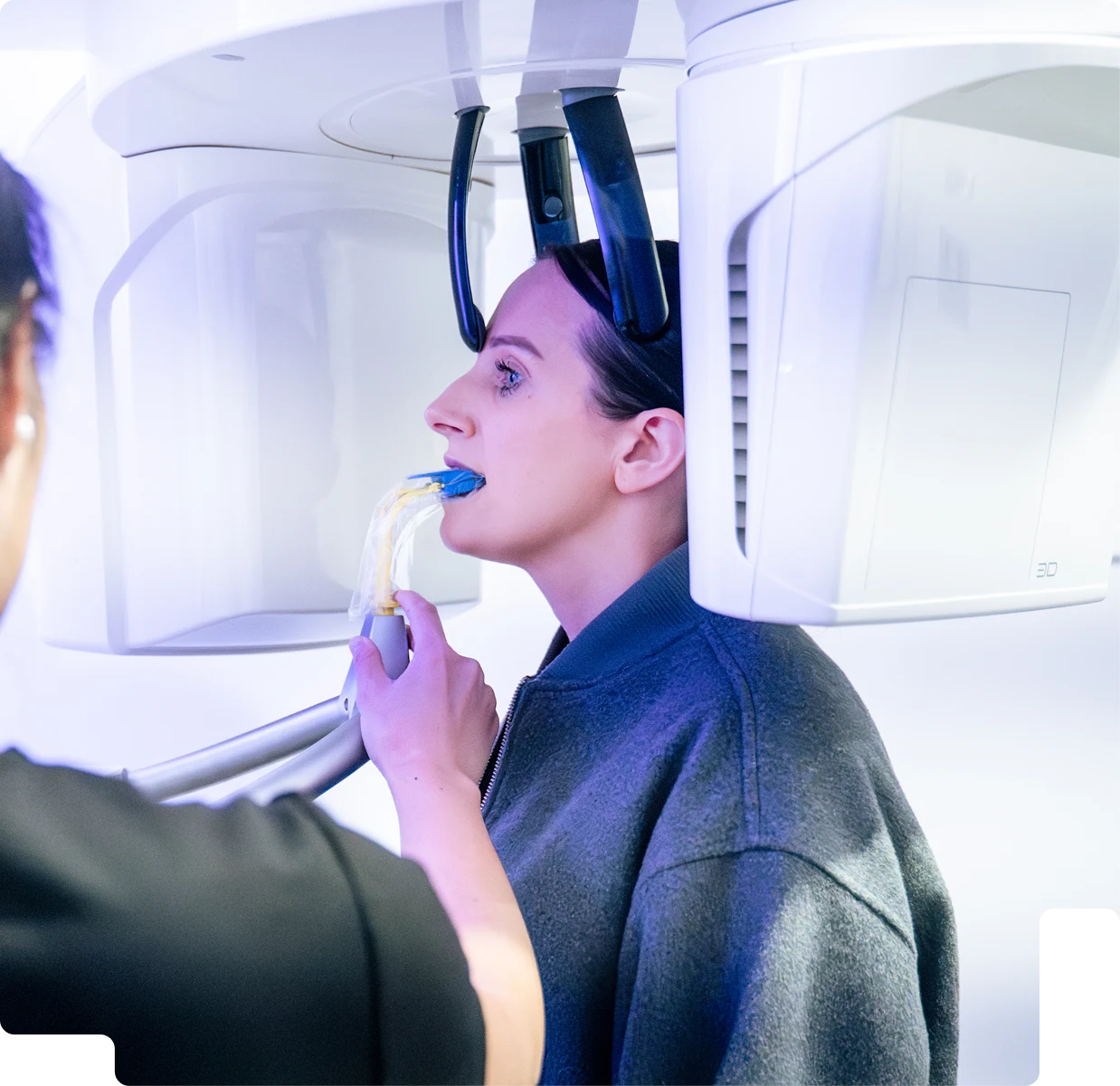
Our caring team performs a detailed examination with diagnostic imaging to evaluate tooth condition, bone quality, infection status, and suitability for immediate placement. (1 appointment, typically 60 minutes)

In-depth discussion of the immediate implant process, alternative options if immediate placement isn't suitable, timeline expectations, and post-operative care requirements. (Same visit, typically 30-45 minutes)

Careful tooth removal followed immediately by precise implant positioning into the extraction socket, with possible bone grafting if needed for adequate stability. (1 appointment, typically 90-120 minutes)

Initial healing phase with close monitoring of implant stability and tissue response. Temporary restoration may be placed depending on location and stability. (First 2-4 weeks, with regular check-ins)

Continued bone bonding around your implant over several months, with regular monitoring to ensure proper healing and stability before final restoration. (Usually 3-6 months, with scheduled check-ups)

Custom crown creation and secure attachment to your integrated implant, with regular monitoring and professional care for long-term success. (2-3 appointments over 2-3 weeks, then ongoing 6-month reviews)
Immediate dental implants offer a well-established approach to tooth replacement, though they require surgery and involve particular risks and healing considerations.
Possible risks include:
Recovery considerations:
No, immediate placement requires specific conditions including adequate bone density, an infection-free extraction site, and the ability to achieve primary implant stability. Our team will evaluate your individual situation and recommend immediate or delayed placement based on clinical factors.
Immediate placement refers to implant insertion during extraction, but your final crown still requires several months for osseointegration. A temporary restoration may be placed depending on implant stability and tooth location.
Recovery combines both extraction and implant placement healing, potentially involving more initial discomfort and swelling. However, combining procedures means one surgical appointment rather than two separate procedures spaced months apart.
We offer flexible payment plans to suit your budget. Get the dental care you need, when you need it.



Your journey begins with a caring consultation to explore your personal circumstances and determine whether immediate dental implants might suit your needs. Get in touch with our New Gisborne team today.
Disclaimer: The material posted is for informational purposes only and is not intended to substitute for professional medical advice, diagnosis or treatment. Results vary with each patient. Any dental procedure carries risks and benefits. If you have any specific questions about any dental and/or medical matter, you should consult your dentist, physician or other professional healthcare providers.