
Combined Veneers & Crowns Case Study
Combined Veneers & Crowns Case Study

How Effective is Combined Porcelain Veneer and Crown Treatment in Sunbury?
Case Note ID: Dec-2024-PV-CR
Location: New Gisborne Dental House (serving the Sunbury, Gisborne, Macedon Ranges and surrounding areas)
Primary Treatments: Porcelain veneers, porcelain crowns
Supporting Technology: Digital shade matching, laboratory-fabricated porcelain, digital smile design
Presenting Clinical Problem
- Multiple aesthetic and structural concerns affecting anterior and posterior teeth
- Generalised tooth discolouration
- Pre-existing restorations showing significant deterioration
- Structural damage to multiple teeth
- Variation in tooth condition requiring different treatment approaches
- Primary objective: Address both aesthetic concerns and structural deficiencies
Treatment Plan & Clinical Process
Phase 1: Comprehensive Assessment and Treatment Planning
- Full dental examination assessing both aesthetic and structural issues
- Evaluation of extent of damage to individual teeth
- Determination of appropriate restoration type for each tooth
- Digital shade analysis and smile design planning
- Discussion of combined veneer and crown approach
- Treatment sequencing planning
Phase 2: Tooth Preparation and Temporisation
- Conservative preparation of teeth suitable for veneers
- More extensive preparation of structurally compromised teeth for crowns
- Detailed shade communication to dental laboratory
- Temporary restoration placement during fabrication period
- Assessment of occlusal requirements
Phase 3: Restoration Placement and Finalisation
- Trial fitting and shade verification of laboratory-fabricated restorations
- Sequential placement of veneers and crowns
- Permanent cementation with appropriate bonding protocols
- Occlusal adjustment to ensure appropriate bite relationship
- Post-placement care instructions and maintenance protocols
Clinical Outcome
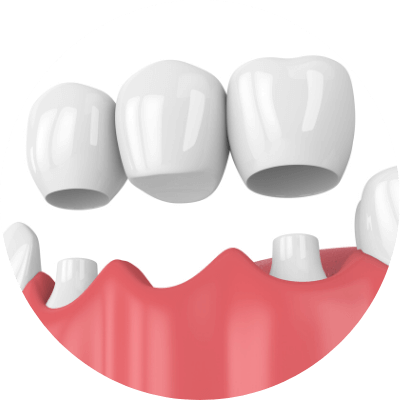
A combination of porcelain veneers and crowns were placed to address multiple concerns. Veneers were used for teeth requiring primarily aesthetic modification, while crowns were placed on teeth with significant structural compromise. Treatment involved multiple appointments over several weeks for laboratory fabrication and staged placement.
Individual responses to restorative dental treatments vary significantly. Treatment outcomes cannot be guaranteed, and results observed in this case do not necessarily reflect outcomes other patients may experience. Both porcelain veneers and crowns can fracture, debond or develop issues over time, typically requiring replacement every 10-15 years though longevity varies based on individual factors. Regular professional monitoring is essential to maintain restoration longevity.
Frequently Asked Questions for Sunbury Patients
When are crowns necessary instead of veneers?
Crowns are typically indicated when teeth have extensive structural damage, large existing restorations, significant decay, or have undergone root canal treatment. Veneers are suitable for primarily aesthetic concerns on structurally sound teeth. The decision depends on amount of remaining tooth structure, extent of damage, and functional requirements. Some teeth may require crowns for structural reasons even if aesthetic improvement is the primary goal.
What is the difference in preparation between veneers and crowns?
Veneers typically require minimal tooth preparation limited to the front surface, usually 0.5-0.7mm of enamel removal. Crowns require more extensive preparation around the entire tooth, removing 1-2mm of tooth structure to accommodate full coverage. Crown preparation is more aggressive but necessary when structural support is required. Both involve irreversible tooth alteration.
How long does combined veneer and crown treatment take?
Combined treatment typically requires multiple appointments over 4-6 weeks. Initial appointments involve examination, treatment planning, and tooth preparation. A period of 2-3 weeks is usually required for laboratory fabrication. Final appointments involve placement, adjustment and review. Complex cases involving multiple teeth may require extended timeframes and additional appointments for optimal results.
Disclaimer: The material posted is for informational purposes only and is not intended to substitute for professional medical advice, diagnosis or treatment. Results vary with each patient. Any dental procedure carries risks and benefits. If you have any specific questions about any dental and/or medical matter, you should consult your dentist, physician or other professional healthcare providers.
Services we mentioned:


More Patient Journeys
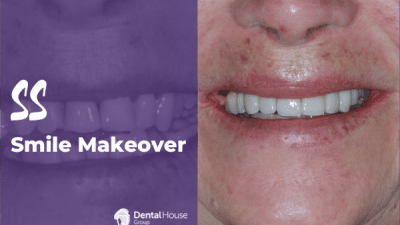
SS’s Porcelain Veneers & Whitening in New Gisborne
Check out SS’s smile makeover journey in New Gisborne. SS came to our practice concerned because she wanted to improve and brighten her sm…
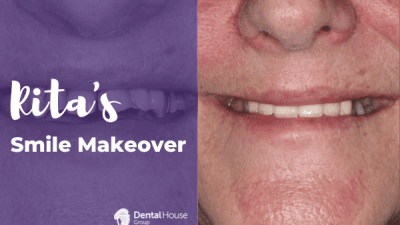
Rita’s Smile Makeover in Bacchus Marsh
We want to share Rita’s dental smile makeover journey with Composite Veneers in Bacchus Marsh. Rita had always wanted to improve her smile …
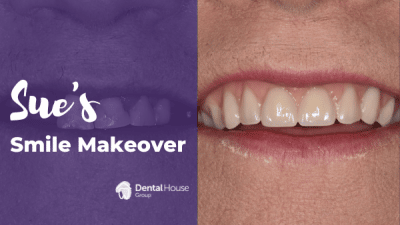
Sue’s Denture Journey in Melbourne
We want to share with you Sue’s denture journey in Melbourne. Sue is one of our lovely patients from Melbourne. Sue wanted to fix her teet…
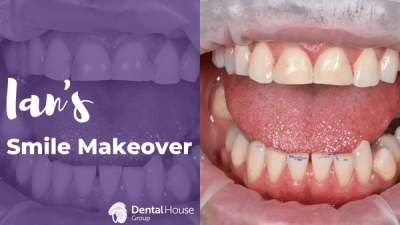
Ian’s Smile Makeover in Gisborne
We want to share with you Ian’s smile makeover journey in Gisborne. Ian felt overly self-conscious every time he talked and smiled. He went …