
The Old Ways Of Teeth Cleaning Are Being Cleaned Out
The Old Ways Of Teeth Cleaning Are Being Cleaned Out
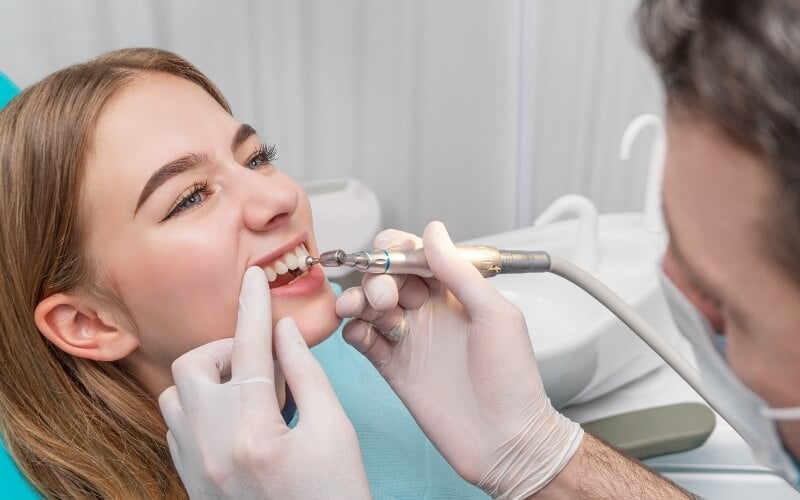
Having your teeth professionally cleaned every six months is a really, really important part of maintaining good oral health. Still, it proves a source of anxiety for many because just sitting in the dentist’s chair can do that.
When it’s a procedure that’s carried out routinely and correctly, it shouldn’t hurt. It’s simply to remove any plaque and tartar buildup which typically involves scaling and polishing. For a long time the only tools were metal, with a gritty paste used for polishing. An effective and efficient process, depending on the sensitivity of their teeth and gums and whether or not they’re feeling anxious, the discomfort level can be quite high for some patients.
Desensitising toothpastes and mouthwashes are useful in lessening harsh sensations, and your dentist can also apply topical numbing agents. And it is a case of the more the more: the more regularly you attend to professional cleaning, the more comfortable it becomes.
Aside from personal oral sensitivity, one of the most common causes of pain can be tooth cracks or cavities. When water, dental instruments or air make contact there can be sharp pain; which is also the result of gum recession or periodontal disease.
Inflammation makes them more sensitive to touch or pressure. Treatment for gum recession not only improves the aesthetics, it greatly assists in minimising future discomfort.
Hardened plaque – which is what tartar is – particularly below the gum line, necessitates a more intensive cleaning process, which can be painful.
No matter what, always talk with your dentist about any tension or trepidation you have with the procedure.
Their focus is to have you as comfortable and relaxed as possible. If that requires some light sedation and taking breaks, they’re more than happy to accommodate. Not all unpleasant sensations are directly related to physical causes. For your dentist to understand the hyper-awareness you may have because concerns and anxiety is a first step in properly alleviating that.
So although you may not feel comfortable in the chair, always feel comfortable in openly communicating with your dentist.
Traditional dental cleaning methods certainly have limitations.
Hand tools are used to manually perform the removal of plaque and tartar, ultrasonic scalers dislodge calculus through vibration and a rubber cup with a granular paste, polishes. All quite abrasive techniques to achieve a clean and smooth result; with each highly dependent on the skill and precision of the clinician. It’s possible for areas to be missed, and it’s a method that’s not always able to reveal early signs of other dental issues. These standard cleanings also don’t adjust to any needs unique to the patient.
As is a dynamic of progress, these constraints have implemented change. With dentistry’s impetus now on personalised care, advances in materials and technology are shaping revolutionary change in professional dental cleaning.
Preliminary versions of AI-guided, robot assisted cleaning machines under the supervision of dentists are appearing in high-end clinics. Consistent in performance, they’re capable of real-time scanning and diagnostics and precision scaling.
AI-enhanced software is now used by many dental surgeries to analyse intra-oral images and X-rays to identify precisely where plaque and tartar buildup exists, as well as very early indications of tooth decay and gum disease. It can also distinguish any latent structural and orthodontic issues that would not have become apparent until much later.
Soft-tissue lasers allow for minimally invasive debridement of infected gum sites. Significantly less uncomfortable than traditional scaling methods, plaque and bacteria can be removed from below the gum line without scraping or cutting. This technology means that bacteria reduction in periodontal pockets is more precise, with reduced bleeding and accelerated healing.
Smart feedback sensors have advanced the design of ultrasonic scalers to efficiently customise vibrational frequency and pressure in real time. It reads gum sensitivity, tissue type and tartar density. Not only is patient comfort paramount, the risk of damage to tooth enamel and gingiva is almost nil.
With the introduction of a fine powder of either erythritol or glycine, air polishing systems are now less abrasive and more effective in reaching subgingival areas. Professionally favoured for use on patients with sensitive teeth, orthodontics or dental implants, plaque and surface stains are removed in a much gentler fashion with these newer systems.
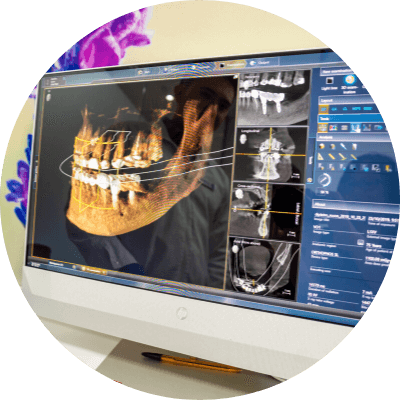
The deep cleaning of root planing and scaling has pinpoint accuracy and greatly improved results because of the incredible technology of 3D imaging. It’s a tool that creates precision detail in the mapping of a patient’s mouth, allowing personalised cleaning plans, exactitude in complex periodontal treatments, and meticulous monitoring of the regression or progression of the disease.
Faulty restorations, fractures and inflammation are more easily identified than ever before.
A switch to nano-hydroxyapatite pastes is becoming more common in clinics. They mimic tooth enamel, thereby reducing tooth sensitivity; something usual fluoride polishes can’t do, because they’re much more gritty. These pastes improve tooth shine and smoothness because they remineralise microscopic defects. Their biocompatibility maintains, rather than compromises tooth enamel – making it particularly favoured by cosmetic and paediatric dentists.
Ongoing research tells us again and again that oral health relies on nurturing balanced oral microbiome, rather than simply stripping it of pathogens. It’s lead to the emergence of probiotic sprays and mouth rinses, which reduce damaging bacteria without harming the important and beneficial flora. This new way reduces the presence of sticky plaque that creates tartar and calculus. In order to promote long-term dental health post-cleaning, microbiome-friendly products are now part of the offerings of some clinics.
Pre-cleaning and post-care integration with Teledentistry is particularly helpful for patients with limited mobility, and those living in rural or remote areas. Scans or photos can be submitted prior to the tele-appointment, and tailored plans are monitored under continuing care.
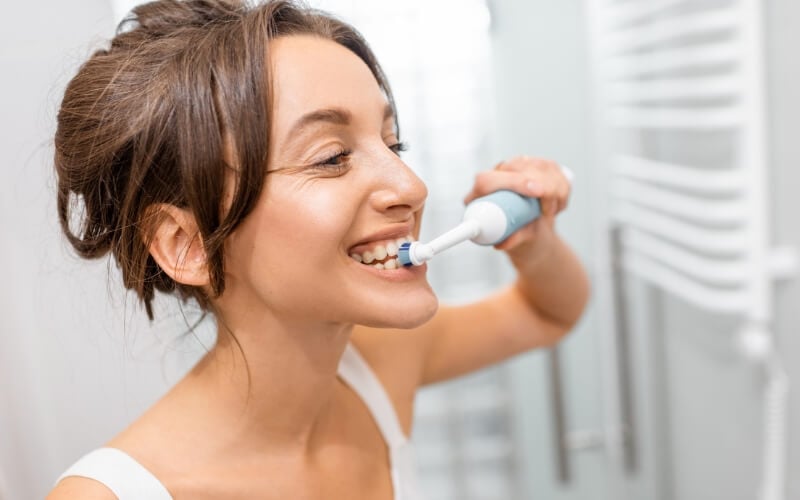
With prevention always better than cure, customised packages are accessible through many clinics now, aiming to assist in minimising the likelihood of developing decay and oral diseases. Electric toothbrushes, waterpiks and patient relevant rinses form part of home care kits that are based on age group, smoking and diabetes risk factors, and level of oral health. Any professional treatments necessary are incorporated, and it endeavours to uphold positive long-term results.
Oral care apps and smart toothbrushes are also game-changers in collecting useful data for preventative and monitored oral care.
That optimal dental health is imperative to wellbeing cannot be understated.
The profession that holds and provides the knowledge and management we cannot reasonably pretend to be capable of giving ourselves, is driving a fundamental shift to make our dental experience more pleasant and more accessible. Their old ways are being cleaned out: its only fair that our old attitudes towards dental visits go too.
The patient-focused experience needs patients to experience it. Be one of them.
DISCLAIMER:
The content has been made available for informational and educational purposes only. New Gisborne Dental House does not make any representation or warranties with respect to the accuracy, applicability, fitness, or completeness of the content.
The content is not intended to be a substitute for professional personal diagnosis or treatment. Always seek the advice of your dentist or another qualified health provider with any questions you may have regarding a dental or medical condition. Never disregard professional advice or delay seeking it because of something you have read or seen on the Site.
Services we mentioned:
Related Articles
What Makes a Thorough Dental Clean? An Honest Guide for Gisborne Patients
Who does a quality dental clean in Gisborne? A quality dental clean involves more than a polish. It includes a clinical examination, periodontal assessment, removal of calculus, polishing, fluoride where appropriate, and personalised home care advice. Book your next...
Adult Braces in Gisborne: An Honest Guide to Your Options
What are my options for adult braces in Gisborne? Adults considering orthodontic treatment in Gisborne have four main options: traditional metal braces, ceramic braces, clear aligners like Invisalign, and lingual braces. Each suits different cases. Book a...
How Much Does a Dental Implant Cost in Gisborne VIC? What Affects the Investment
How much does a dental implant cost in Gisborne VIC? Dental implant fees in Gisborne vary based on the type of implant (single, bridge, or full arch), whether bone grafting or extractions are needed, and the materials used. Download our price guide for full details,...
The Smile Makeover Process in Gisborne: What Actually Happens from Start to Finish
What is the process for a smile makeover in Gisborne? The smile makeover process starts with a complimentary consultation where we chat about your goals and check your dental health. Then comes any prep work needed, followed by your chosen cosmetic treatments, and...