

Simple vs Surgical: The Two Faces of Wisdom Tooth Removal
Simple vs Surgical: The Two Faces of Wisdom Tooth Removal
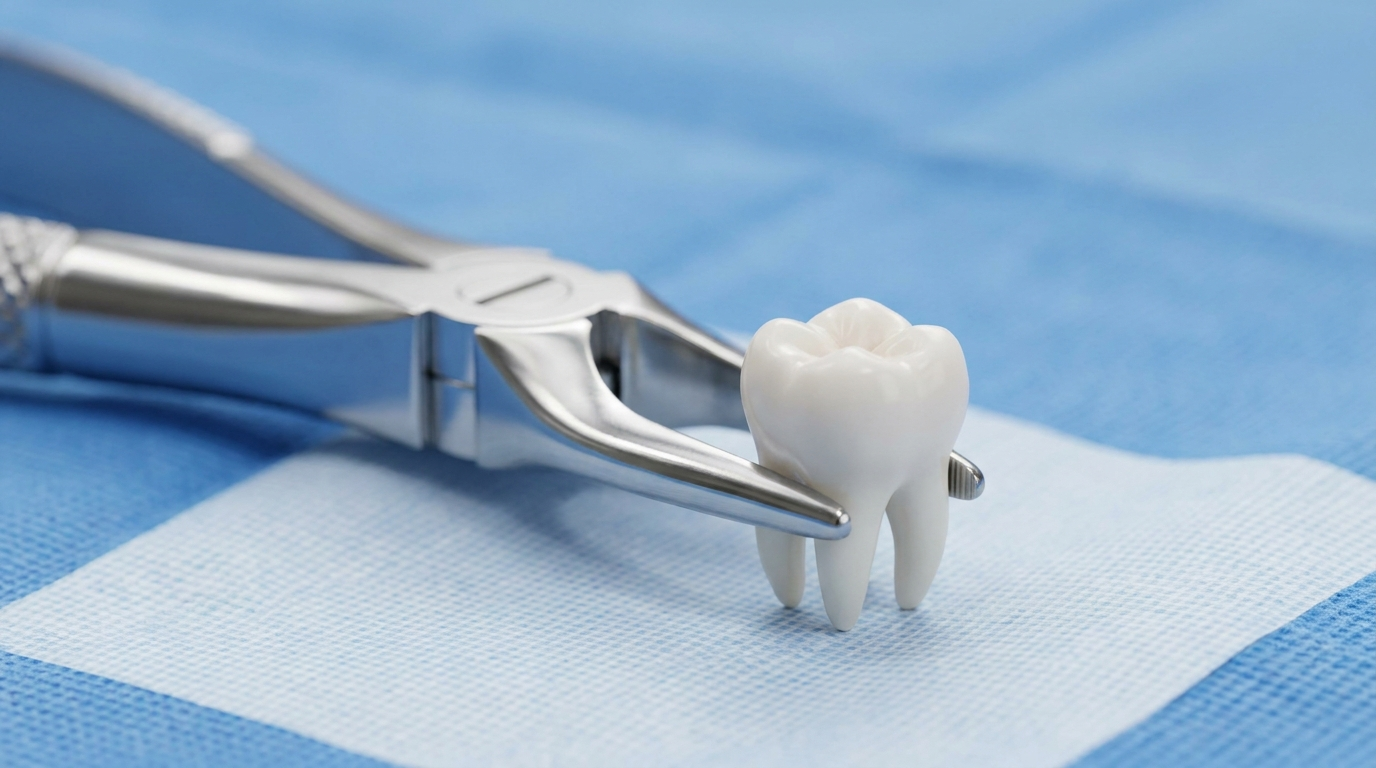
Most people assume all tooth extractions work the same way: numb the area, grab the tooth, and pull it out. If only it were that simple, especially when it comes to wisdom teeth. The reality is that wisdom tooth removal exists on a spectrum from straightforward “simple” extractions to complex surgical procedures that require careful planning and specialised techniques.
The difference between these approaches isn’t just academic, it affects everything from the time you’ll spend in the chair to your recovery experience and cost. Understanding which type of extraction you need helps set realistic expectations and ensures you’re prepared for the process ahead.
If you’re living in New Gisborne, Macedon, or Riddells Creek and facing wisdom tooth removal, knowing whether you need a simple extraction or complex wisdom tooth removal can help you plan accordingly and choose the right dental professional for your specific situation.
Simple Extraction: When Wisdom Teeth Cooperate
Simple extractions represent the best-case scenario for wisdom tooth removal. These procedures work exactly as most people imagine: the tooth is visible, easily accessible, and can be removed using standard dental instruments like elevators and forceps.
For a simple extraction to be possible, your wisdom tooth needs to have erupted fully through the gum line and be positioned in a way that allows normal access. The tooth structure should be intact enough to grasp securely with forceps, and there shouldn’t be any unusual curvature or complications with the roots.
The process typically takes 20-40 minutes and involves numbing the area with local anaesthetic, loosening the tooth with an elevator instrument, and then removing it with forceps. Most patients find the procedure surprisingly comfortable, with pressure sensations but no pain during the actual extraction.
Recovery from simple extractions is generally straightforward, with most people returning to normal activities within a day or two. The extraction site heals relatively quickly, and complications are uncommon when post-operative instructions are followed properly.
When Surgery Becomes Necessary: The Complex Cases
Surgical extraction becomes necessary when wisdom teeth don’t cooperate with the simple approach. This typically occurs when teeth are impacted, meaning they haven’t fully erupted through the gum line, or when they’re positioned at angles that make standard extraction impossible.
Complex wisdom tooth removal involves making incisions in the gum tissue to access the tooth, and often requires removing some surrounding bone to create adequate space for extraction. In many cases, the tooth must be sectioned – broken into smaller pieces – to remove it safely without damaging surrounding structures.
The procedure requires more time, typically 45 minutes to over an hour per tooth, and often involves general anaesthesia or IV sedation rather than just local numbing. The increased complexity means greater precision is required to avoid complications like nerve damage or sinus perforation.
Factors That Determine the Approach
Several key factors determine whether your wisdom tooth extraction will be simple or surgical. The position of the tooth is primary – teeth that have erupted normally and sit upright are candidates for simple extraction, while those that remain below the gum line or are angled sideways require surgical approaches.
The condition of the tooth also matters. Teeth that are severely decayed or have broken off at the gum line often need surgical techniques even if they were initially candidates for simple extraction. The root structure plays a role too – teeth with curved, multiple, or unusually long roots may require surgical access for safe removal.
Your age can influence the complexity as well. Younger patients typically have less developed roots and softer bone, making extraction easier. Older patients may have denser bone and more developed root systems that complicate removal.
The relationship to surrounding structures is crucial. Wisdom teeth that sit close to nerves, sinuses, or other teeth require careful surgical planning to avoid complications during removal.
Understanding the Cost Implications
The difference between simple and surgical extraction significantly affects cost. In Australia, simple wisdom tooth extractions typically range from $130-$200 per tooth, while complex surgical extractions can cost $250-$500 or more per tooth, depending on complexity.
These cost differences reflect the additional time, expertise, and resources required for surgical procedures. Complex wisdom tooth removal often requires referral to oral surgeons, whose specialist fees are higher than general dentist charges.
Additional factors like sedation or general anaesthesia add to the cost but may be necessary for patient comfort during surgical procedures. When planning for wisdom tooth removal, it’s important to understand that the final cost depends on what’s actually required during the procedure.
Recovery Differences You Should Expect
Recovery experiences vary significantly between simple and surgical extractions. Simple extractions typically involve minimal swelling and discomfort, with most patients managing pain with over-the-counter medications and returning to normal eating within a few days.
Surgical extractions involve more extensive tissue manipulation, leading to increased swelling, bruising, and discomfort. Recovery often takes a week or more, and prescription pain medications may be necessary initially. Dietary restrictions are typically more stringent and longer-lasting.
The healing process for surgical sites is more complex, with multiple tissue layers – gum, bone, and sometimes muscle – requiring recovery time. This extended healing period requires more careful attention to post-operative instructions and follow-up care.
Anaesthesia and Sedation Options
Simple extractions usually require only local anaesthetic injected around the tooth. This numbs the area completely while allowing you to remain fully conscious and responsive during the procedure.
Complex wisdom tooth removal often benefits from additional sedation options. IV sedation provides deep relaxation while maintaining consciousness, making lengthy surgical procedures more comfortable. General anaesthesia may be recommended for multiple impacted teeth or particularly complex cases.
The choice of anaesthesia affects both cost and recovery, but patient comfort and safety are the primary considerations. Your oral surgeon will recommend the most appropriate option based on the complexity of your specific case.
Making the Right Choice for Your Situation
The decision between simple and surgical extraction isn’t really yours to make – it’s determined by the anatomy and position of your wisdom teeth. However, understanding the differences helps you prepare appropriately and choose qualified practitioners.
For simple extractions, most general dentists have the necessary skills and equipment. For complex wisdom tooth removal, oral surgeons have specialised training in surgical techniques, anaesthesia management, and complication prevention.
At New Gisborne Dental House, we evaluate each case carefully using advanced imaging to determine the most appropriate approach. We provide honest assessments about complexity and ensure you understand what your specific situation requires.
When to Seek Professional Evaluation
If you’re experiencing wisdom tooth pain, swelling, or difficulty cleaning around these teeth, professional evaluation is essential. Early assessment allows for better treatment planning and can sometimes prevent complications that make extraction more complex.
Don’t wait until wisdom teeth become problematic. Proactive evaluation, especially for younger patients, often reveals when extraction will be necessary and allows for planning during optimal timing when healing tends to be faster and complications less likely.
Concerned about wisdom tooth problems or wondering what type of extraction you might need? Don’t let uncertainty about the process delay necessary treatment. Contact New Gisborne Dental House today for a comprehensive evaluation. Our experienced team will assess your specific situation and explain exactly what’s involved in your wisdom tooth removal. Call us now or complete our enquiry form to schedule your consultation.
Frequently Asked Questions
How can I tell if I’ll need surgical extraction before my appointment?
While only a professional examination with X-rays can determine this definitively, some signs suggest surgical extraction may be needed: if you can’t see your wisdom teeth fully erupted, if you’re experiencing persistent pain or swelling, or if you’ve been told your wisdom teeth are “impacted.” Age also plays a role – older patients more commonly require surgical approaches due to more developed root systems and denser bone.
Is surgical wisdom tooth extraction much more painful than simple extraction?
During the procedure, you shouldn’t feel pain with either approach due to anaesthesia. Post-operatively, surgical extractions typically involve more discomfort due to tissue manipulation and healing requirements. However, modern pain management techniques effectively control post-surgical discomfort. Most patients find the experience more manageable than they anticipated, especially when following post-operative care instructions carefully.
Can a simple extraction turn into a surgical one during the procedure?
Yes, this can happen if unexpected complications arise, such as the tooth breaking during extraction or roots being more curved than anticipated. Your dentist or oral surgeon will explain this possibility beforehand and obtain consent for potential surgical conversion. While this extends the procedure time and complexity, it’s sometimes the safest approach to complete the extraction successfully.
DISCLAIMER:
The content has been made available for informational and educational purposes only. New Gisborne Dental House does not make any representation or warranties with respect to the accuracy, applicability, fitness, or completeness of the content.
The content is not intended to be a substitute for professional personal diagnosis or treatment. Always seek the advice of your dentist or another qualified health provider with any questions you may have regarding a dental or medical condition. Never disregard professional advice or delay seeking it because of something you have read or seen on the Site.
Services we mentioned:


Related Articles
Sleep Dentistry for Gag Reflex: When Your mouth Won’t Cooperate
Sarah from Gisborne had put off her dental check-up for three years. Not because she was afraid of pain, but because every time a dentist tried to examine her back teeth, her gag reflex would kick in so strongly that she'd nearly be sick. "I felt embarrassed and...

Treatment Options for Irreversible Pulpitis: Dentists Directing Their Patients
What is pulpitis? It's not a fiction ... “Pulpitis is inflammation of the dental pulp. It is how a dentist might describe ‘toothache.’ The pulp inside a tooth consists of vascular tissues, blood supply, nerves, and connective tissue. When the pulp is inflamed, a...

Donating Teeth to Science: Do It While Alive or Dead
Can you donate your teeth to science? Yes you can. Even babies can donate their teeth. Baby teeth, adult teeth, teeth that naturally fell out, teeth…

Will Teeth Remain A Thing Or Will Ultra-Processed Foods Render Them Obsolete?
Teeth are ancient hard bits rooted in jaws and a big part of our evolutionary development as vertebrates. Vertebrates originated some 518 million years ago during the Cambrian explosion. A hundred and fifty million years into the vertebrate evolutionary development we...