

How Long Do Veneers Really Last? The Timeline Nobody Tells You
How Long Do Veneers Really Last? The Timeline Nobody Tells You
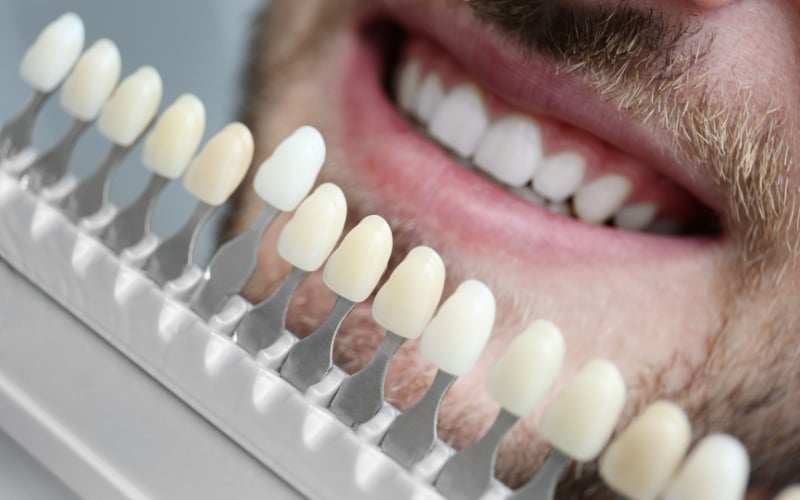
When you’re considering porcelain veneers, one of the first questions that probably crosses your mind is: how long will these actually last? It’s a fair question. You’re making a significant investment in your smile, and you want to know what you’re getting for your money.
The answer you’ll often hear is “10 to 15 years,” which is technically accurate but doesn’t tell the whole story. Some veneers fail after five years, whilst others are still going strong after 20. The veneer lifespan depends on numerous factors, many of which are entirely within your control.
At New Gisborne Dental House, we’ve placed countless veneers for patients throughout Gisborne, Macedon, and Riddells Creek. Let’s talk honestly about what you can realistically expect from your veneers and what actually determines how long they’ll last.
What the Research Actually Says
According to dental research published in Australian journals, porcelain veneers have an average survival rate of approximately 95% at 10 years and around 90% at 15 years when properly maintained. That’s actually quite impressive for a cosmetic dental restoration.
However, these statistics don’t capture the full picture. Veneer lifespan isn’t just about whether the veneer stays attached to your tooth. It’s also about whether it continues to look good, function properly, and feel comfortable.
Some veneers can last 20 years or more whilst still looking fantastic. Others may technically stay in place but develop staining, chips, or other issues that make you want to replace them sooner. The Australian Dental Association notes that with excellent care and favourable conditions, veneers can potentially last a lifetime, though this is less common.
What Actually Affects Your Veneer Lifespan
Several factors influence how long your veneers will serve you well. Understanding these helps you make informed decisions and take proper care of your investment.
The quality of the initial placement matters enormously. Properly prepared teeth, well-designed veneers, and meticulous bonding techniques set the foundation for longevity. Veneers that aren’t bonded correctly are more likely to fail prematurely.
Your bite pattern plays a significant role. If you have a heavy bite, grind your teeth, or clench your jaw, you’re putting extra stress on your veneers. This doesn’t mean you can’t have veneers, but it does mean you might need protective measures like a night guard.
Your oral hygiene habits directly impact veneer lifespan. Whilst the porcelain itself won’t decay, the tooth underneath can still develop cavities at the edges. Good hygiene protects both your veneers and the teeth supporting them.
What you eat and drink makes a difference too. Using your teeth as tools, biting into extremely hard foods, or exposing veneers to excessive force can cause chips or cracks.
The Natural Ageing Process
Even with perfect care, veneers don’t stay exactly the same forever. Understanding what changes to expect helps you plan accordingly.
The porcelain material itself is highly stable and resistant to staining. Unlike natural teeth, veneers won’t yellow from coffee or tea. However, the cement used to bond veneers can gradually stain at the margins, creating a visible line.
Your natural teeth surrounding the veneers will continue to age and may gradually change colour. If you’ve only veneered your front teeth, this can create a colour mismatch over time.
Your gums naturally recede slightly as you age. This can expose a small amount of the edge of your veneer, which may look different from the veneer itself. It’s not a failure, just a normal consequence of ageing.
Tiny surface scratches can accumulate over many years, dulling the shine slightly. This happens very gradually, but it’s why veneers that are 15 or 20 years old may not have quite the same lustre as new ones.
How to Maximise Your Veneer Lifespan
The good news is that you have significant control over how long your veneers last. Here’s what actually makes a difference.
Protect them from excessive force. If you grind your teeth at night, wear a night guard. This simple step can literally double your veneer lifespan. Don’t use your teeth to open packages, bite your nails, or chew on pens.
Maintain excellent oral hygiene. Brush twice daily with a non-abrasive toothpaste and soft-bristled brush. Floss daily, paying particular attention to the gum line where your veneers meet your natural teeth.
Be thoughtful about what you eat. You don’t need to avoid hard foods entirely, but be sensible. Cut hard foods into smaller pieces rather than biting directly into them with your front teeth.
Attend regular dental check-ups. We can spot small problems before they become big ones. Early intervention can save a veneer that might otherwise fail. We’ll also professionally clean around your veneers, removing any buildup that could cause problems.
When Veneers Need Replacing
Even with excellent care, veneers eventually need attention. Recognising the signs helps you address issues before they become serious.
Visible chips or cracks are obvious indicators. Even small chips can propagate into larger problems if ignored. Debonding, where the veneer starts to separate from your tooth, requires immediate attention.
Discolouration at the margins suggests the cement is breaking down. Whilst this doesn’t necessarily mean the veneer is failing structurally, it affects appearance and may indicate it’s time for replacement.
Recurring sensitivity in teeth with veneers can signal problems with the bond or underlying tooth decay. Changes in how your veneers feel warrant investigation.
At New Gisborne Dental House, we assess your veneers at every check-up. We’ll let you know when they’re holding up beautifully and when it might be time to consider replacement.
When you’re deciding whether to invest in veneers, think about the long-term picture. Yes, veneers typically last 10 to 15 years with good care, and possibly much longer. Understanding this commitment helps you make an informed decision that’s right for your situation.
Ready to Discuss Veneers for Your Smile?
If you’re considering veneers and want to understand whether they’re the right investment for your situation, we’d be happy to provide honest, straightforward advice. Our team works with patients throughout New Gisborne, Macedon, and Riddells Creek.
Call us on 03 5414 2844 or complete our enquiry form to arrange your consultation.
Frequently Asked Questions
Can veneers last 20 years or more?
Yes, some veneers do last 20 years or longer with excellent care and favourable conditions. Factors like wearing a night guard if you grind your teeth, maintaining perfect oral hygiene, and attending regular check-ups significantly increase the chances of extended veneer lifespan.
Do veneers need special maintenance?
Not really. Care for veneers much like you would natural teeth: brush twice daily, floss daily, avoid using teeth as tools, and see your dentist regularly. The main additional consideration is wearing a night guard if you grind your teeth.
What happens to my teeth when veneers need replacing?
When veneers are replaced, we remove the old ones and bond new ones to your already-prepared teeth. Your natural teeth underneath remain stable, as the original preparation doesn’t need to be repeated. The process is typically quicker than your initial veneer placement.
DISCLAIMER:
The content has been made available for informational and educational purposes only. New Gisborne Dental House does not make any representation or warranties with respect to the accuracy, applicability, fitness, or completeness of the content.
The content is not intended to be a substitute for professional personal diagnosis or treatment. Always seek the advice of your dentist or another qualified health provider with any questions you may have regarding a dental or medical condition. Never disregard professional advice or delay seeking it because of something you have read or seen on the Site.
Services we mentioned:

Related Articles
What Makes a Thorough Dental Clean? An Honest Guide for Gisborne Patients
Who does a quality dental clean in Gisborne? A quality dental clean involves more than a polish. It includes a clinical examination, periodontal assessment, removal of calculus, polishing, fluoride where appropriate, and personalised home care advice. Book your next...
How Much Does Teeth Whitening Cost in Gisborne? What Affects the Investment
How much does teeth whitening cost in Gisborne? Teeth whitening fees in Gisborne vary depending on whether you choose in-chair or take-home whitening, the condition of your teeth, and whether a scale and clean is needed first. Download our price guide for full...
Composite Veneers in New Gisborne: Here’s What Actually Matters When Choosing a Dentist
Who does composite veneers in New Gisborne? New Gisborne Dental House offers composite veneers for patients across Gisborne, Woodend, Macedon, and surrounding areas. Our dentists are experienced in cosmetic dentistry and will assess your teeth at a complimentary...

How to Choose the Right Dentist for Composite Veneers in New Gisborne
Who does composite veneers in New Gisborne? New Gisborne Dental House offers composite veneers as part of our cosmetic dentistry services. Our dentists are experienced in designing and placing composite veneers, with each case tailored to your goals and tooth...