

Combined Veneers & Implants Case Study
Combined Veneers & Implants Case Study
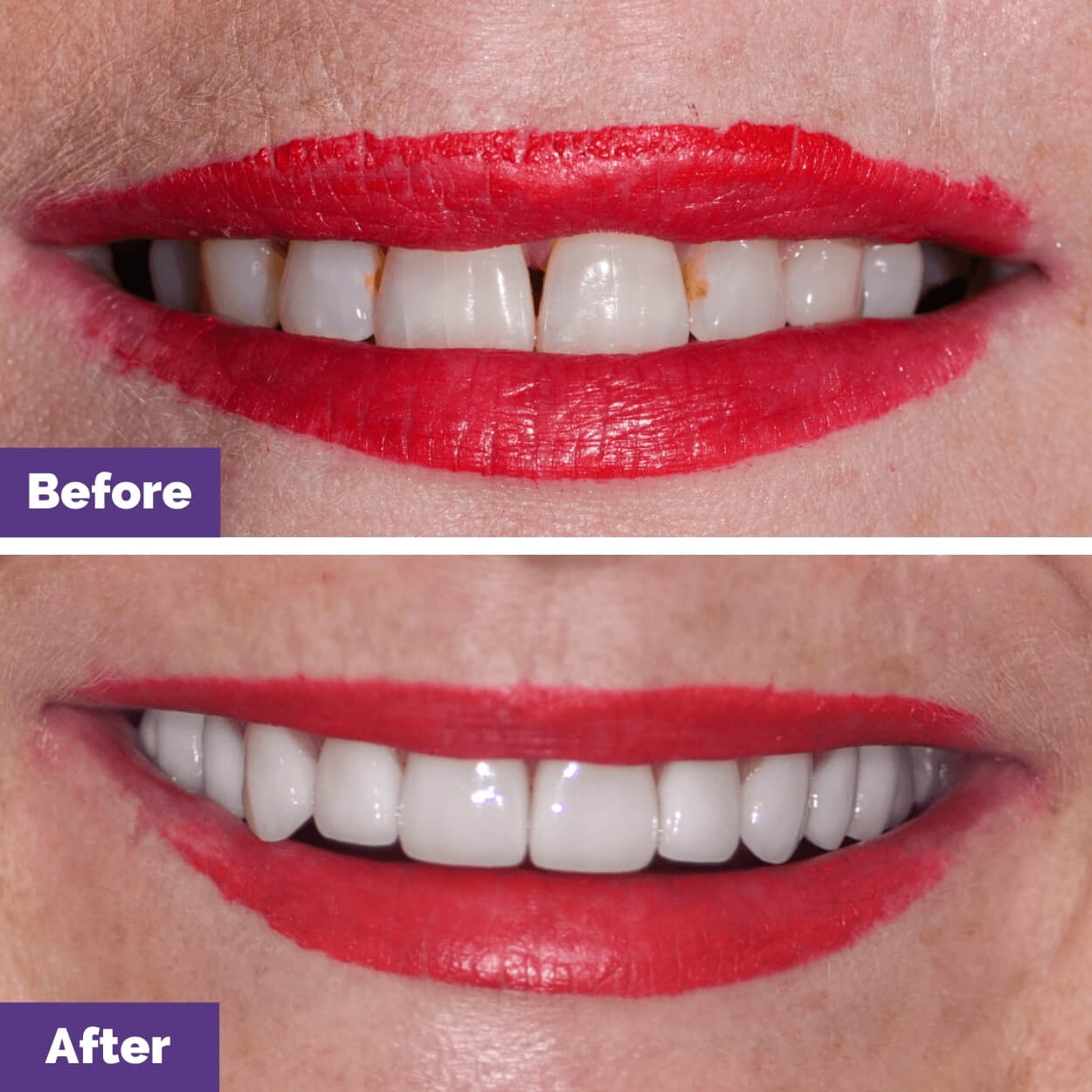
Can Combined Veneers and Implants Address Multiple Dental Concerns in Sunbury?
Case Note ID: Dec-2024-PV-DI
Location: New Gisborne Dental House (serving the Sunbury, Gisborne, Macedon Ranges and surrounding areas)
Primary Treatments: Porcelain veneers, dental implants
Supporting Technology: Digital smile design, implant surgical planning, laboratory-fabricated porcelain
Presenting Clinical Problem
- Anterior teeth showing discolouration and wear
- Missing posterior teeth affecting chewing function
- Multiple concerns requiring different treatment approaches
- Patient reporting reduced confidence with smile appearance
- Functional limitations due to missing teeth
- Primary objective: Address aesthetic concerns while restoring chewing function
Treatment Plan & Clinical Process
Phase 1: Comprehensive Assessment and Treatment Planning
- Full dental examination addressing both aesthetic and functional concerns
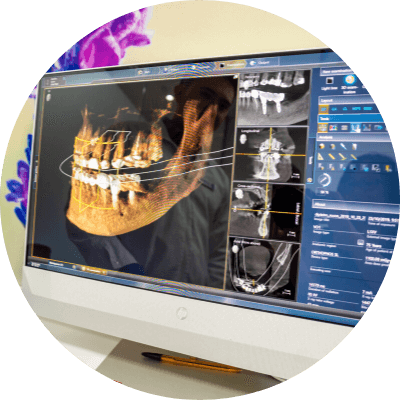
- Radiographic evaluation for implant planning
- Digital smile design for veneer planning
- Assessment of bone quality for implant placement
- Discussion of staged treatment approach
- Treatment sequencing to address functional and aesthetic goals
Phase 2: Implant Placement Phase
- Surgical placement of dental implants in posterior regions
- Post-surgical care and monitoring
- Healing period to allow implant integration (typically 3-4 months)
Phase 3: Veneer Preparation Phase
- Conservative preparation of anterior teeth for porcelain veneers
- Digital shade matching and laboratory communication
- Temporary restoration placement during fabrication period
Phase 4: Final Restoration Phase
- Assessment of implant integration
- Crown fabrication and placement on dental implants
- Veneer trial fitting and permanent placement
- Occlusal adjustment to ensure appropriate function
- Post-treatment care instructions
Clinical Outcome
Treatment combined six porcelain veneers for anterior aesthetic concerns with two dental implants to replace missing posterior teeth. The staged approach extended over several months to accommodate implant healing requirements before final restorations were placed.
Individual responses to combined treatments vary significantly. Treatment outcomes cannot be guaranteed for either veneers or implants. Veneers can fracture or debond and typically require replacement every 10-15 years. Implants may fail to integrate, develop complications, or require additional procedures. Each treatment type has independent risks and longevity considerations.
Frequently Asked Questions for Sunbury Patients
Why combine veneers and implants rather than doing all at once?
Different treatments address different problems. Veneers improve the appearance of existing teeth, while implants replace missing teeth. Combining treatments allows comprehensive care addressing multiple concerns.
Treatment stages are often necessary because implants require healing time before final crowns can be placed, while veneers can proceed more quickly.
How long does combined treatment take?
Combined treatment typically requires 4-6 months from start to finish. Implant healing requires 3-4 months before crowns can be placed.
Veneer treatment can occur during implant healing or after implant crowns are completed, depending on individual case planning and sequencing decisions.
What maintenance does combined treatment require?
Both veneers and implants require careful daily oral hygiene. Veneers need attention to prevent staining and margin decay. Implants require meticulous cleaning around the implant-tissue interface to prevent complications.
Regular professional monitoring is essential for both treatment types to identify any issues early and maintain long-term success.
Disclaimer: The material posted is for informational purposes only and is not intended to substitute for professional medical advice, diagnosis or treatment. Results vary with each patient. Any dental procedure carries risks and benefits. If you have any specific questions about any dental and/or medical matter, you should consult your dentist, physician or other professional healthcare providers.
Services we mentioned:

More Patient Journeys
SS’s Porcelain Veneers & Whitening in New Gisborne
Check out SS’s smile makeover journey in New Gisborne. SS came to our practice concerned because she wanted to improve and brighten her sm…
Rita’s Smile Makeover in Bacchus Marsh
We want to share Rita’s dental smile makeover journey with Composite Veneers in Bacchus Marsh. Rita had always wanted to improve her smile …
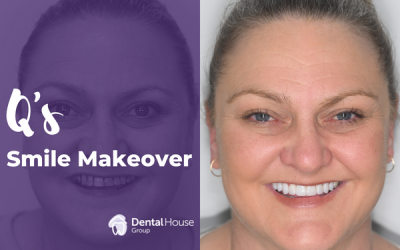
Q’s Smile Makeover in Sunbury
We want to share Q’s dental smile makeover journey with porcelain veneers in Sunbury. Q is a charming lady from Sunbury. However, as time …
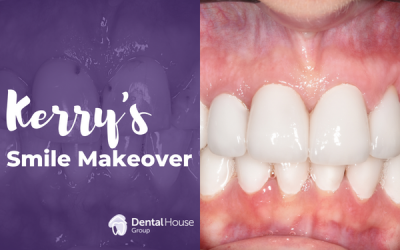
Kerry’s Smile Makeover in Bacchus Marsh
We want to share Kerry’s dental smile makeover journey with Porcelain Veneers in Bacchus Marsh.Kerry is a charming patient from Bacchus Ma…