

Conservative Restorative Treatment Clinical Case in Gisborne
Conservative Restorative Treatment Clinical Case in Gisborne
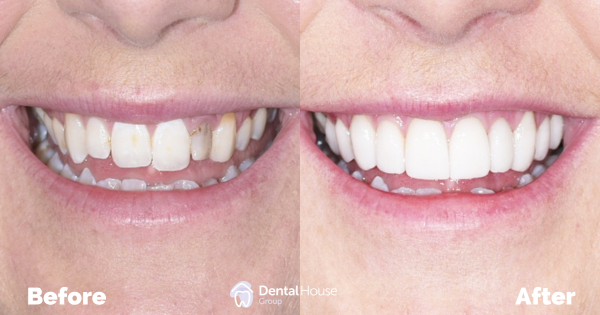
Can conservative restorative approaches address complex anterior concerns in Gisborne?
Case Note ID: Dec-2024-CRA
Location: New Gisborne Dental House (serving the Gisborne, Macedon, and Riddells Creek areas)
Primary Treatments: Conservative Porcelain Veneers, Endodontic Therapy, Natural Whitening
Supporting Technology: Minimally Invasive Techniques, Biocompatible Materials
Presenting Clinical Problem
A patient presented with complex anterior dental concerns seeking conservative treatment options that preserve natural tooth structure.
- Endodontic Requirements: Non-vital lateral incisor requiring root canal intervention
- Natural Discolouration: Age-related and treatment-related colour changes
- Bite Irregularities: Anterior open bite affecting natural function
- Conservative Preferences: Patient preference for minimal intervention approaches where clinically appropriate
The primary clinical objective was to address endodontic needs and improve aesthetics through conservative treatment methods that preserve tooth structure.
Treatment Plan & Clinical Process
A conservative treatment philosophy guided the development of minimally invasive approaches where clinically appropriate.
Phase 1: Conservative Endodontics: Root canal therapy was performed using minimally invasive techniques to preserve tooth structure. Treatment focused on thorough disinfection whilst maintaining conservative access preparation.
Phase 2: Natural Whitening: Internal whitening was performed using biocompatible agents to address intrinsic discolouration. Natural whitening approaches were utilised for adjacent teeth to achieve colour harmony.
Phase 3: Conservative Veneering: Ten porcelain veneers were placed using minimal preparation techniques where clinically appropriate. Conservative approaches prioritised tooth structure preservation whilst addressing aesthetic concerns.
Clinical Outcome
The conservative treatment approach addressed the patient’s concerns whilst preserving natural tooth structure where clinically possible. Endodontic therapy resolved pulpal pathology using minimally invasive techniques, whilst conservative veneering improved aesthetics with minimal tooth reduction. Natural whitening approaches addressed colour concerns. Conservative treatment approaches may have limitations compared to more extensive interventions, and individual outcomes vary significantly.
Treatment success depends on multiple factors including individual healing responses, maintenance of oral hygiene, and compliance with conservative care protocols. Long-term monitoring remains essential to assess treatment stability over time.
Frequently Asked Questions for Gisborne Patients
What are the benefits and limitations of conservative veneer preparation?
Conservative preparation preserves natural tooth structure and may reduce sensitivity risk, though clinical outcomes depend on individual case factors. Conservative approaches may have aesthetic limitations compared to more extensive preparations, and not all cases are suitable for minimal intervention techniques.
How do biocompatible materials differ in endodontic and restorative treatment?
Biocompatible materials are designed to integrate with natural tissues, though individual responses vary considerably. Material biocompatibility does not guarantee treatment success or prevent complications, and outcomes depend on multiple clinical factors.
What factors influence the success of conservative treatment approaches?
Conservative treatment success depends on appropriate case selection, individual healing capacity, maintenance of oral hygiene, and realistic expectation management. Conservative approaches may require more frequent monitoring and may not be suitable for all clinical situations.
Disclaimer: The material posted is for informational purposes only and is not intended to substitute for professional medical advice, diagnosis or treatment. Results vary with each patient. Any dental procedure carries risks and benefits. If you have any specific questions about any dental and/or medical matter, you should consult your dentist, physician or other professional healthcare providers.
Services we mentioned:


More Patient Journeys
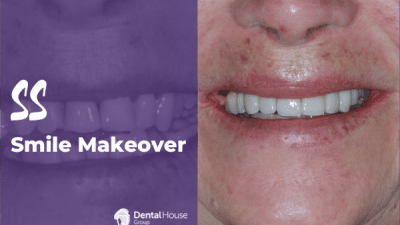
SS’s Porcelain Veneers & Whitening in New Gisborne
Check out SS’s smile makeover journey in New Gisborne. SS came to our practice concerned because she wanted to improve and brighten her sm…
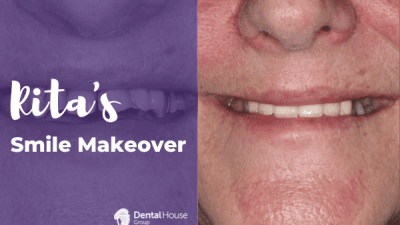
Rita’s Smile Makeover in Bacchus Marsh
We want to share Rita’s dental smile makeover journey with Composite Veneers in Bacchus Marsh. Rita had always wanted to improve her smile …
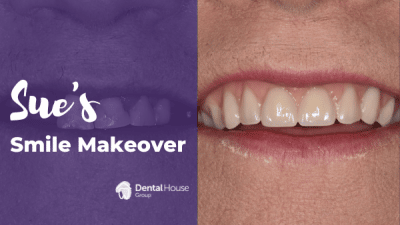
Sue’s Denture Journey in Melbourne
We want to share with you Sue’s denture journey in Melbourne. Sue is one of our lovely patients from Melbourne. Sue wanted to fix her teet…
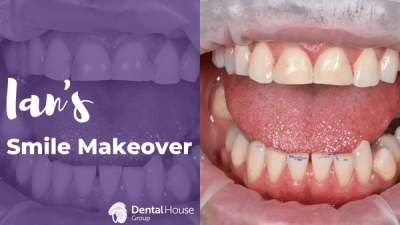
Ian’s Smile Makeover in Gisborne
We want to share with you Ian’s smile makeover journey in Gisborne. Ian felt overly self-conscious every time he talked and smiled. He went …