

Minimally Invasive Tooth Replacement Clinical Case in Gisborne
Minimally Invasive Tooth Replacement Clinical Case in Gisborne
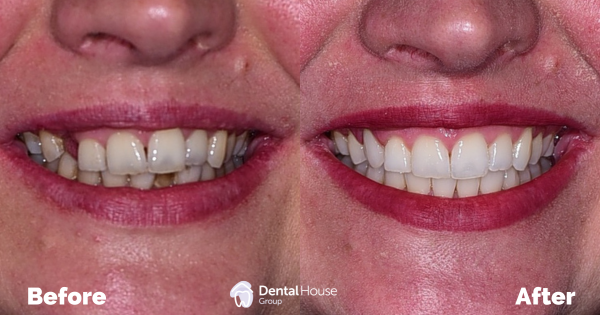
Can minimally invasive approaches address tooth loss and alignment in Gisborne?
Case Note ID: Dec-2024-MIA
Location: New Gisborne Dental House (serving the Gisborne, Macedon, and Riddells Creek areas)
Primary Treatments: Conservative Aligner Therapy, Minimally Invasive Implants, Conservative Periodontal Surgery, Natural Whitening
Supporting Technology: Conservative Planning Methods, Biocompatible Materials
Presenting Clinical Problem
A patient presented seeking minimally invasive approaches to address tooth loss and alignment concerns whilst preserving natural oral structures.
- Conservative Replacement Needs: Missing canine requiring minimally invasive replacement options
- Gentle Orthodontic Requirements: Dental crowding requiring conservative alignment correction
- Natural Enhancement Goals: Colour and tissue irregularities requiring conservative intervention
- Tissue Preservation Priorities: Preference for procedures that minimise tissue trauma
The primary clinical objective was to address tooth replacement and alignment needs through minimally invasive approaches that preserve natural oral structures.
Treatment Plan & Clinical Process
A conservative treatment philosophy guided the development of minimally invasive approaches prioritising tissue preservation.
Phase 1: Conservative Assessment: Conservative planning methods enabled assessment of minimally invasive treatment options. Conservative aligner therapy was selected for gentle tooth repositioning with minimal force application.
Phase 2: Minimally Invasive Surgery: Conservative periodontal surgery addressed tissue irregularities using minimally invasive techniques. Implant placement utilised minimally invasive protocols to preserve surrounding tissues.
Phase 3: Natural Enhancement: Implant restoration was completed using biocompatible materials. Natural whitening approaches addressed colour concerns whilst preserving enamel structure.
Clinical Outcome
The minimally invasive approach addressed the patient’s concerns whilst preserving natural oral structures and minimising treatment trauma. Conservative aligner therapy improved tooth positioning, whilst minimally invasive implant placement restored the missing tooth. Conservative surgical techniques addressed tissue concerns, and natural whitening improved colour harmony. Minimally invasive approaches may have limitations compared to conventional techniques and may not be suitable for all clinical situations.
Individual responses to conservative treatment vary considerably, and treatment success depends on appropriate case selection and realistic expectation management. Treatment outcomes cannot be guaranteed, and individual results may differ from conventional treatment approaches.
Frequently Asked Questions for Gisborne Patients
What are the benefits and limitations of minimally invasive implant placement?
Minimally invasive techniques may reduce treatment trauma and recovery time, though treatment success depends primarily on individual case factors including bone quality and healing capacity rather than surgical technique alone.
How do conservative orthodontic approaches differ from conventional treatment?
Conservative orthodontic approaches utilise gentler forces and may require extended treatment periods, though treatment outcomes depend primarily on individual case complexity and compliance rather than force levels alone.
What factors determine the suitability of minimally invasive approaches?
Minimally invasive treatment requires appropriate case selection based on individual anatomy, treatment requirements, and realistic expectation management. Not all cases are suitable for conservative approaches, and conventional techniques may be necessary.
Disclaimer: The material posted is for informational purposes only and is not intended to substitute for professional medical advice, diagnosis or treatment. Results vary with each patient. Any dental procedure carries risks and benefits. If you have any specific questions about any dental and/or medical matter, you should consult your dentist, physician or other professional healthcare providers.
Services we mentioned:

More Patient Journeys
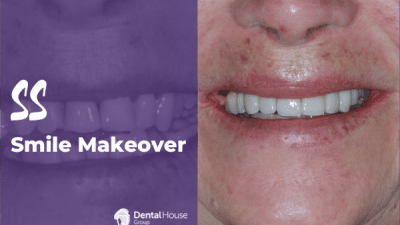
SS’s Porcelain Veneers & Whitening in New Gisborne
Check out SS’s smile makeover journey in New Gisborne. SS came to our practice concerned because she wanted to improve and brighten her sm…
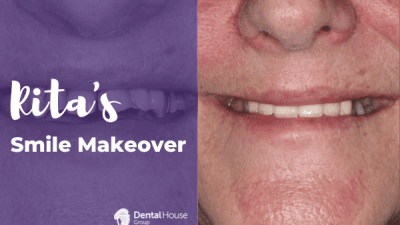
Rita’s Smile Makeover in Bacchus Marsh
We want to share Rita’s dental smile makeover journey with Composite Veneers in Bacchus Marsh. Rita had always wanted to improve her smile …
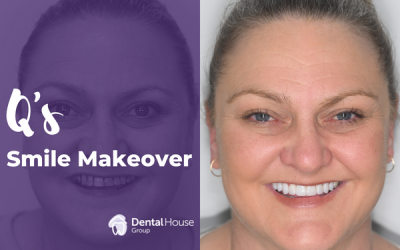
Q’s Smile Makeover in Sunbury
We want to share Q’s dental smile makeover journey with porcelain veneers in Sunbury. Q is a charming lady from Sunbury. However, as time …
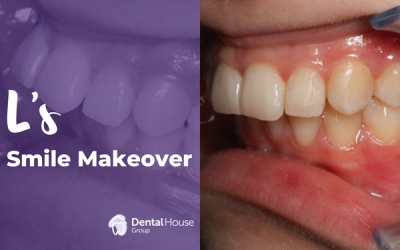
L’s Invisalign Smile Makeover in Bacchus Marsh
Check out L’s smile makeover journey with Invisalign in Bacchus Marsh. L came to our practice after she found us on social media and admir…