

Porcelain Crown Discoloured Tooth Case Study in Sunbury
Porcelain Crown Discoloured Tooth Case Study in Sunbury
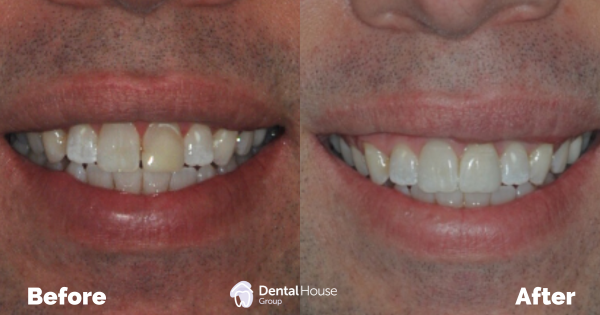
Can Porcelain Crowns Restore Discoloured Front Teeth in Sunbury?
Case Note ID: Dec-2024-PC
Location: New Gisborne Dental House (serving the Sunbury, Gisborne, Macedon Ranges and surrounding areas)
Primary Treatments: Custom porcelain crown
Supporting Technology: Digital shade matching, laboratory-fabricated porcelain
Presenting Clinical Problem
- Single anterior tooth discolouration following previous root canal treatment
- Visible colour discrepancy compared to adjacent teeth
- Patient reported self-consciousness regarding aesthetic appearance
- Post-endodontic discolouration is a recognised clinical complication
- Primary objective: Restore natural appearance whilst maintaining structural integrity
Treatment Plan & Clinical Process
Phase 1: Assessment and Treatment Planning
- Evaluation of existing root canal treatment adequacy
- Radiographic assessment of periapical health
- Shade analysis including natural tooth characterisation
- Discussion of porcelain crown option and alternative approaches
Phase 2: Crown Preparation and Temporisation
- Conservative tooth preparation to accommodate porcelain crown
- Detailed shade communication to dental laboratory
- Custom characterisation to replicate adjacent tooth features including white spot patterns
- Temporary crown placement during laboratory fabrication period
Phase 3: Crown Placement and Finalisation
- Trial fitting and shade verification
- Permanent cementation with appropriate bonding protocols
- Occlusal adjustment to ensure appropriate bite relationship
- Post-placement care instructions
Clinical Outcome
A customised porcelain crown was fabricated with specific attention to replicating the natural white spot characteristics present on adjacent teeth. This individualised approach aimed to create a restoration that blended with the existing dentition rather than appearing artificially uniform.
Individual responses to crown treatments vary significantly. Treatment outcomes cannot be guaranteed, and not all aesthetic concerns can be fully addressed through restorative means. Porcelain crowns can fracture, debond or develop marginal discrepancies over time. Root-treated teeth may experience future complications including fracture, reinfection or periapical pathology. Crown longevity typically ranges from 10-15 years but varies based on bite forces, oral hygiene and material properties. Regular professional monitoring is essential to identify potential issues early.
Frequently Asked Questions for Gisborne and Sunbury Patients
Why do teeth discolour after root canal treatment?
Post-endodontic discolouration typically results from haemoglobin breakdown products, residual necrotic tissue or certain endodontic materials being absorbed into the dentine structure. The degree of discolouration varies between individuals and cannot always be prevented, even with optimal endodontic technique.
What are alternatives to porcelain crowns for discoloured teeth?
Alternatives may include internal bleaching (walking bleach technique), external bleaching (though often less effective on root-treated teeth), or composite/porcelain veneers. Each option has specific indications, limitations and longevity considerations. Not all teeth are suitable candidates for every treatment approach.
How long do porcelain crowns last??
Crown longevity varies significantly, typically ranging from 10-15 years, though some fail earlier and others last considerably longer. Factors affecting lifespan include bite forces, parafunction habits (grinding, clenching), oral hygiene, cement durability and material properties. Regular dental examinations help identify issues requiring attention.
Disclaimer: The material posted is for informational purposes only and is not intended to substitute for professional medical advice, diagnosis or treatment. Results vary with each patient. Any dental procedure carries risks and benefits. If you have any specific questions about any dental and/or medical matter, you should consult your dentist, physician or other professional healthcare providers.
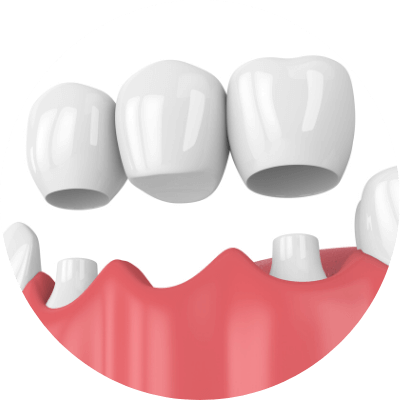
Services we mentioned:
More Patient Journeys
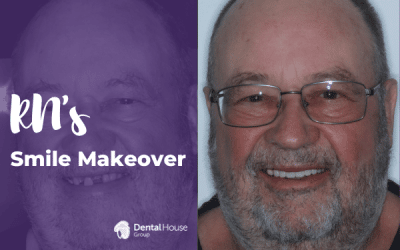
RN’s Smile Makeover in Gisborne
We want to share with you RN’s dental smile makeover journey with Crowns in Dental House Group. RN went to the Dental House because he had…
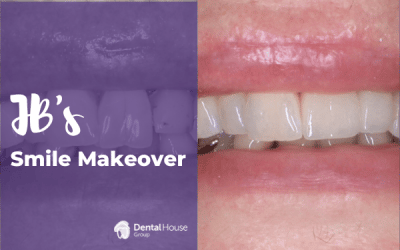
JB’s Porcelain Crowns in Gisborne
We would like to share with you JB’s dental makeover journey in Gisborne. JB is one of our lovely patients from Gisborne Dental Ho…
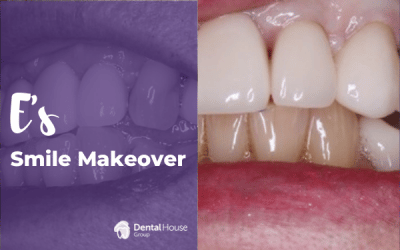
E’s Porcelain Crowns in Gisborne
We would like to share with you E’s dental makeover journey in Gisborne. E is one of our lovely patients from Gisborne Dental Hous…
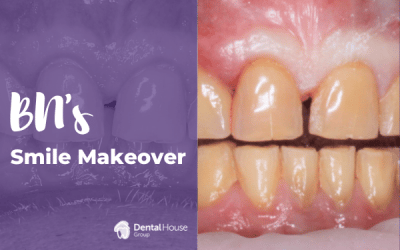
BN’s Porcelain Bridge Journey in Gisborne
We would like to share with you BN’s smile makeover journey in Gisborne. BN is one of our lovely patients who lost one of his upper ca…