Rita’s Smile Makeover in Bacchus MarshRead more
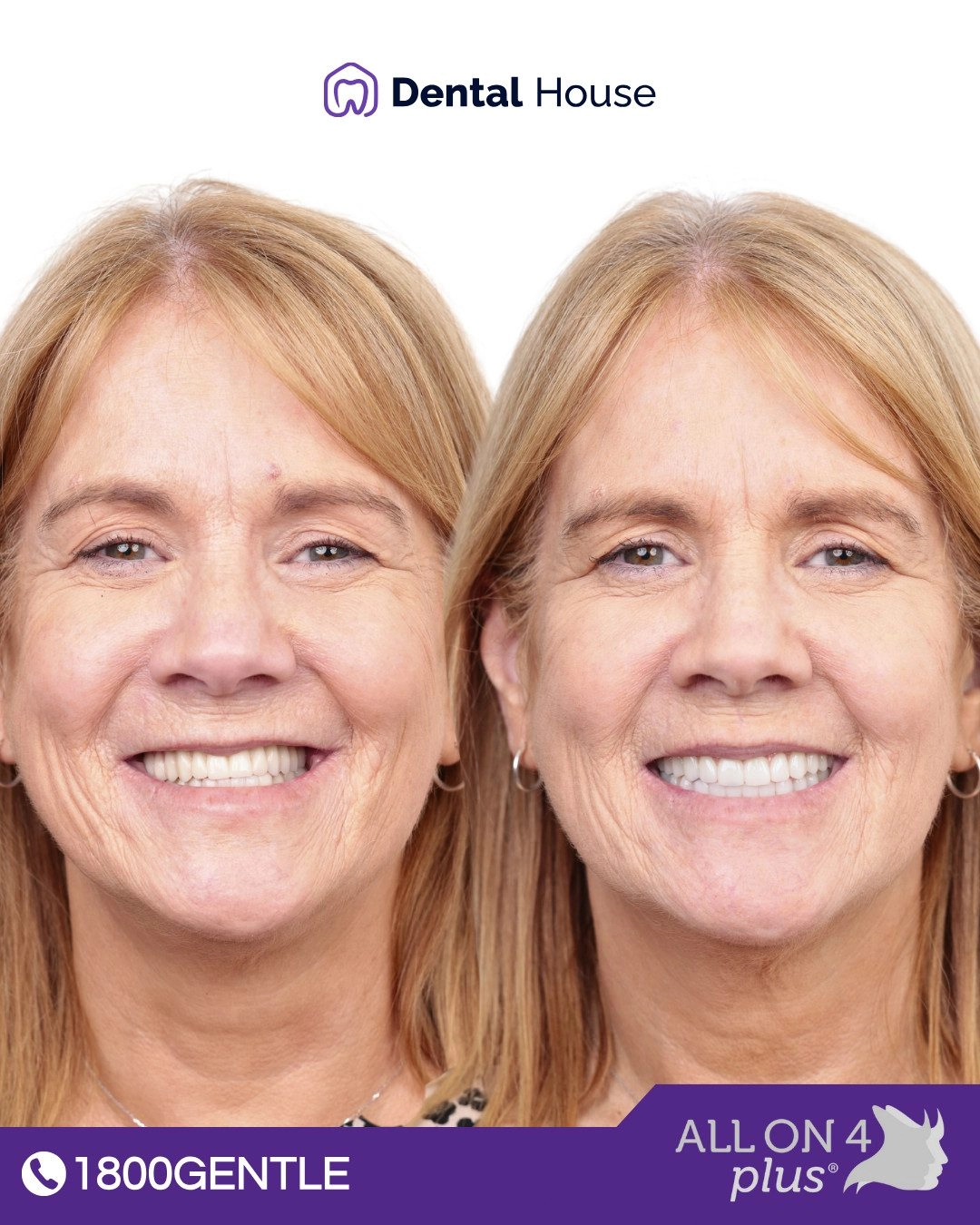

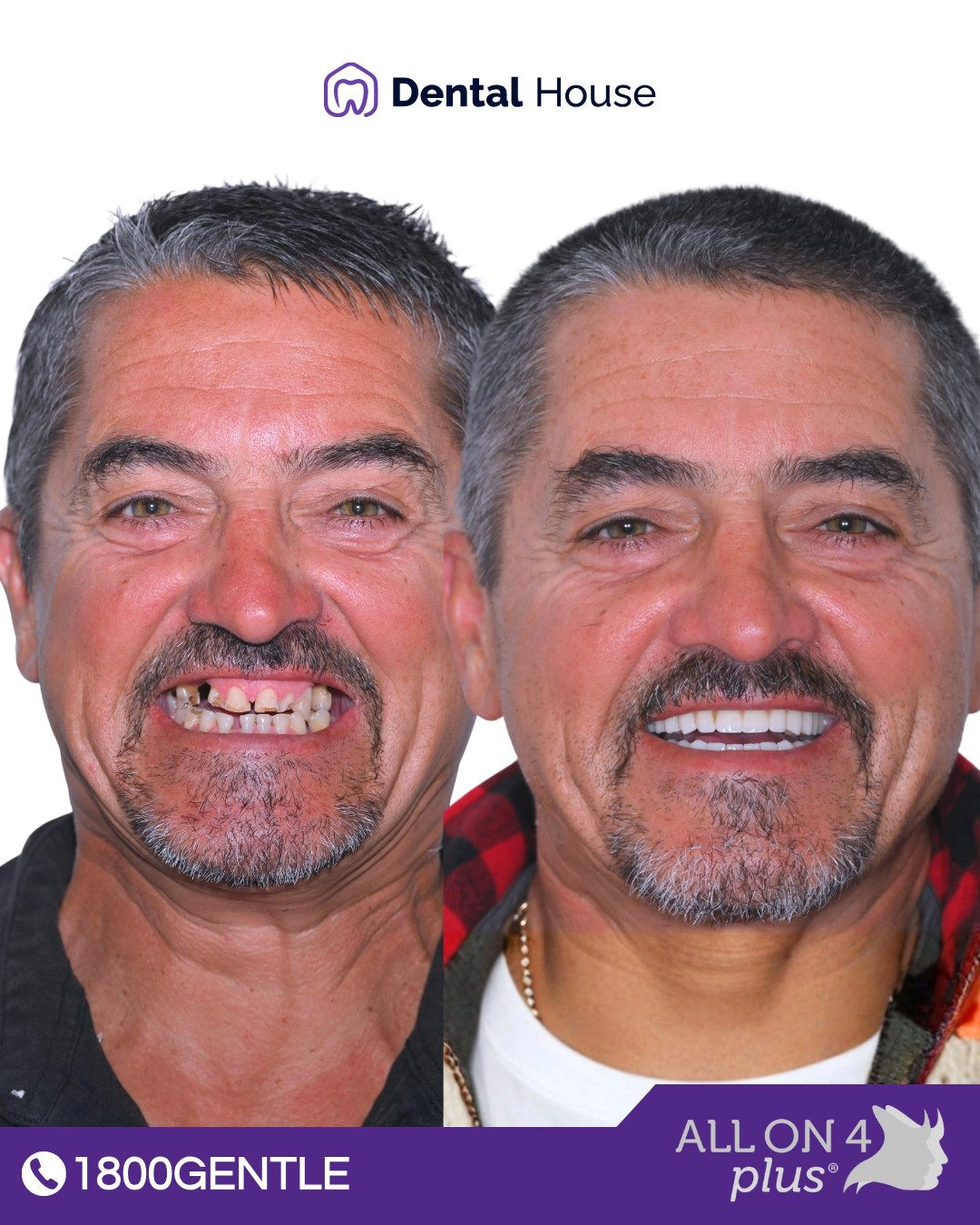
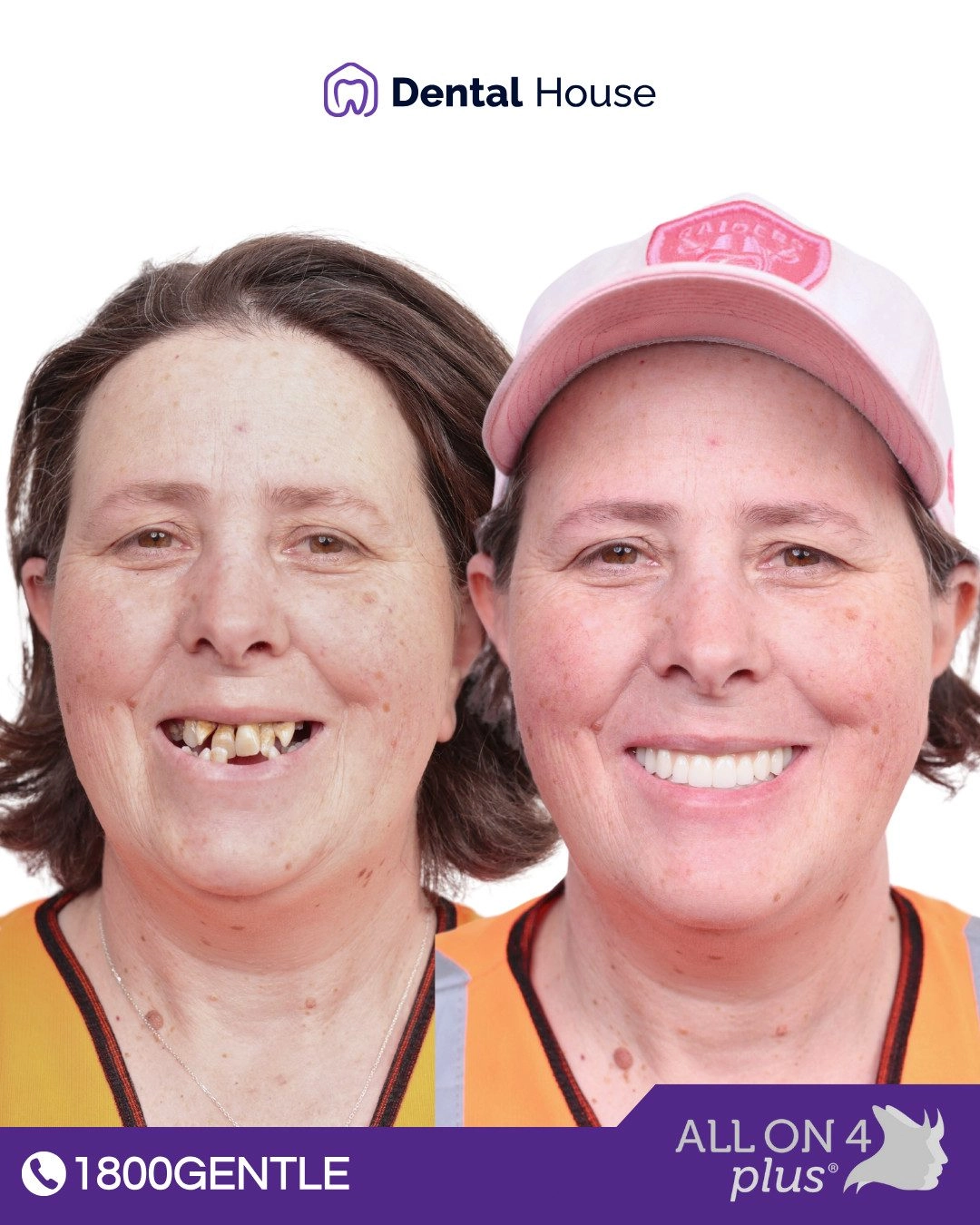
Considering dental fillings in Gisborne? At New Gisborne Dental House, our compassionate team combines nearly 40 years of experience with established filling materials and techniques to help restore decayed or damaged teeth through personalised treatment.
Tooth decay, cavities, or minor tooth damage can cause discomfort and may worsen without treatment. Your ability to eat comfortably and maintain oral health may be affected. At New Gisborne Dental House, we’ve helped thousands of families across Gisborne, Macedon, and Riddells Creek explore restorative options like dental fillings, which may help restore tooth structure and function when suitable for treating decay or minor damage.
Dental fillings are an established restorative procedure designed to repair teeth affected by decay, minor fractures, or wear by removing damaged tooth structure and replacing it with suitable filling material. Rather than extensive procedures, modern filling options include tooth-coloured composite resin, amalgam, glass ionomer, and ceramic materials, each with specific properties and applications. This treatment approach is commonly recommended for treating cavities, small chips, or worn areas before they progress to more extensive damage requiring crowns or root canal treatment.
The procedure involves removing decayed or damaged tooth structure, cleaning and preparing the cavity, then placing and shaping the filling material to restore the tooth’s normal function and appearance. This approach aims to halt the progression of decay, restore tooth strength, and maintain proper bite function whilst preserving as much natural tooth structure as possible, though material selection depends on cavity location, size, and individual patient factors.
At New Gisborne Dental House, we take time to understand your unique situation. Dental fillings may be worth considering after our thorough, gentle evaluation, though suitability varies significantly between individuals based on decay extent and restoration requirements.
Treatment complexity varies based on cavity size and location, but here's a general overview:

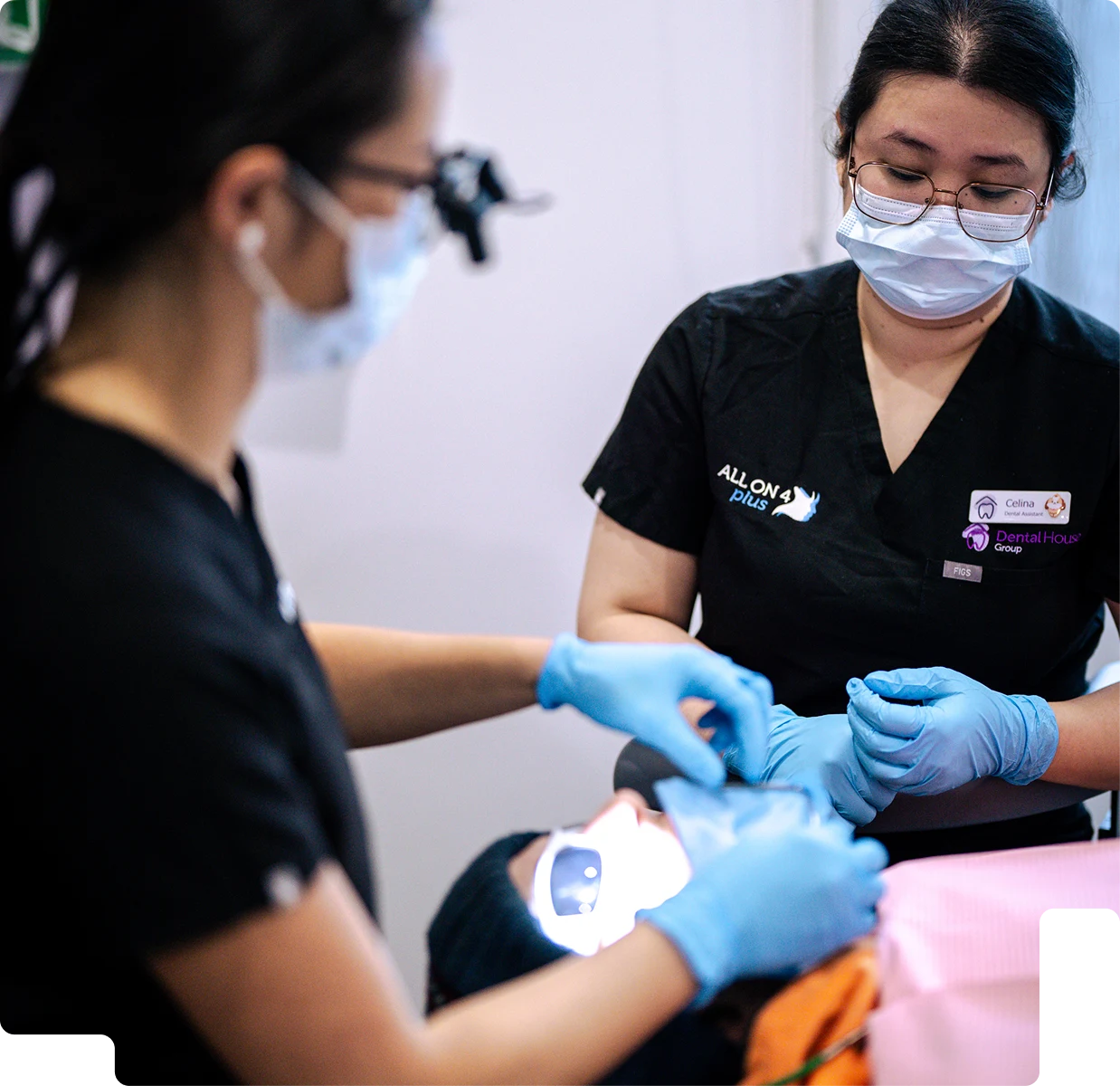
Our caring team performs a detailed examination with digital X-rays to evaluate decay extent, determine treatment needs, and discuss filling material options. (1 appointment, typically 30-45 minutes)

The treatment area is gently numbed using local anaesthetic to ensure your comfort throughout the procedure, with topical numbing gel applied first. (Same visit, typically 10-15 minutes for full effect)

Decayed or damaged tooth structure is carefully removed using precise instruments whilst preserving healthy tooth structure. (Same visit, typically 15-30 minutes depending on cavity size)

The prepared cavity is thoroughly cleaned and may be treated with antibacterial solutions to ensure optimal filling placement. (Same visit, typically 5-10 minutes)

Your chosen filling material is positioned in layers if needed, shaped to restore proper tooth contour, and adjusted for comfortable bite. (Same visit, typically 15-30 minutes depending on material type)

The filling is polished smooth, bite is checked and adjusted if necessary, and post-treatment care instructions are provided. (Same visit, typically 10-15 minutes)
Dental fillings are a routine way to restore teeth affected by decay or damage, but they come with some risks and recovery considerations.
Possible risks include:
Recovery considerations:
Whilst dental fillings are designed to be durable restorations, their longevity depends on various factors including material type, cavity size, bite forces, and oral hygiene. We can’t promise specific timeframes, but regular check-ups help monitor filling condition and address issues early.
White (composite) fillings blend with natural tooth colour and bond to tooth structure, whilst silver (amalgam) fillings are more durable but visible. We’ll discuss the advantages and considerations of each material type based on your individual needs and preferences during your consultation.
We use effective local anaesthetic to ensure your comfort during treatment. You may feel pressure but should not experience pain during the procedure. Some post-treatment sensitivity is normal and typically resolves within days.
We offer flexible payment plans to suit your budget. Get the dental care you need, when you need it.



Your journey begins with a caring consultation to explore your personal circumstances and determine whether dental fillings might suit your needs. Get in touch with our New Gisborne team today.
Disclaimer: The material posted is for informational purposes only and is not intended to substitute for professional medical advice, diagnosis or treatment. Results vary with each patient. Any dental procedure carries risks and benefits. If you have any specific questions about any dental and/or medical matter, you should consult your dentist, physician or other professional healthcare providers.