
Understanding TMJ: How Jaw Problems Trigger Headaches and Pain
Understanding TMJ: How Jaw Problems Trigger Headaches and Pain
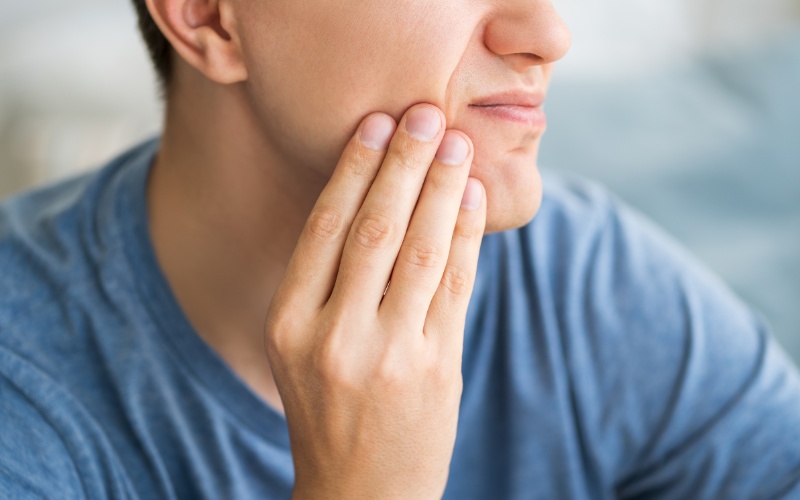
Waking up with a headache, experiencing unexplained neck tension, or dealing with persistent ear discomfort might seem unrelated to your jaw. However, these seemingly disconnected symptoms often share a common source: temporomandibular joint (TMJ) dysfunction. Many people struggle with chronic pain symptoms without realising their jaw joint could be the underlying cause.
According to the Australian Dental Association, TMJ disorders affect approximately 10-15% of the population, with many cases going undiagnosed for years. The connection between jaw dysfunction and symptoms like TMJ headaches, neck pain, and ear problems stems from the complex network of muscles, nerves, and joints that work together in your head and neck region.
Understanding TMJ Dysfunction and Its Effects
The temporomandibular joints connect your jawbone to your skull, acting as sliding hinges that allow you to open and close your mouth, chew, speak, and yawn. These joints work in coordination with surrounding muscles, ligaments, and nerves to facilitate jaw movement.
TMJ dysfunction occurs when these joints don’t function properly due to various factors including:
- Muscle tension from stress or teeth grinding
- Joint inflammation or structural problems
- Bite misalignment affecting jaw positioning
- Injury to the jaw, head, or neck area
- Arthritis affecting the joint cartilage
When the TMJ system becomes disrupted, it can trigger a cascade of symptoms throughout the head and neck region. The proximity of jaw muscles to other muscle groups, along with shared nerve pathways, explains why TMJ problems often manifest as pain in seemingly unrelated areas.
How TMJ Dysfunction Triggers Headaches
TMJ headaches represent one of the most common symptoms of jaw dysfunction, often mistaken for tension headaches or migraines. The connection between jaw problems and head pain involves several mechanisms:
Muscle tension patterns: The muscles that control jaw movement connect to muscles in your temples, forehead, and neck. When jaw muscles become tense due to TMJ dysfunction, this tension can spread to surrounding muscle groups, triggering headache pain.
Nerve pathway involvement: The trigeminal nerve, which supplies sensation to much of your face and head, also innervates the jaw area. TMJ dysfunction can irritate this nerve, leading to referred pain that manifests as headaches.
Sleep disruption: Many people with TMJ dysfunction experience poor sleep quality due to jaw pain or unconscious teeth grinding, contributing to morning headaches.
According to Australian research, TMJ headaches often present as tension-type pain in the temples, forehead, or back of the head. These headaches may worsen with jaw movement or occur more frequently in the morning.
The Connection Between TMJ and Neck Pain
The relationship between jaw dysfunction and neck pain involves the intricate connection between jaw muscles and cervical spine structures:
Postural compensation: When jaw function is compromised, people often unconsciously adjust their head and neck posture to accommodate discomfort. These postural changes can strain neck muscles and contribute to chronic neck pain.
Shared muscle groups: Some muscles involved in jaw function also attach to cervical vertebrae and the base of the skull. Tension in these muscles due to TMJ dysfunction can directly cause neck pain and stiffness.
Forward head posture: TMJ problems often coincide with forward head posture, where the head shifts forward relative to the shoulders. This positioning places additional strain on neck muscles.
TMJ-Related Ear Symptoms
Ear discomfort represents another common manifestation of TMJ dysfunction, often leading people to seek ENT treatment before discovering the jaw connection:
Anatomical proximity: The temporomandibular joint sits directly in front of the ear canal. Inflammation or dysfunction in the joint can affect nearby structures, creating sensations of ear fullness or pressure.
Eustachian tube involvement: Muscles associated with jaw function can influence eustachian tube function, which regulates pressure in the middle ear.
Referred pain patterns: TMJ-related ear symptoms often result from referred pain along shared nerve pathways.
Common ear-related symptoms include ear fullness, pressure sensations, tinnitus, and occasionally dizziness.
Recognising TMJ Dysfunction Symptoms
Identifying TMJ dysfunction requires recognising the pattern of symptoms that often occur together:
Direct jaw symptoms:
- Jaw pain or tenderness
- Clicking, popping, or grinding sounds
- Limited mouth opening
- Jaw locking or catching
Associated symptoms:
- TMJ headaches, particularly in the morning
- Neck pain and stiffness
- Ear discomfort or pressure
- Facial pain
Behavioural indicators:
- Teeth grinding or clenching
- Frequent jaw muscle tension
- Difficulty chewing certain foods
Treatment Approaches for TMJ Dysfunction
Managing TMJ dysfunction typically involves a multifaceted approach addressing both symptoms and underlying causes:
Conservative management:
- Stress reduction techniques
- Jaw exercises and stretching
- Heat or cold therapy
- Dietary modifications (softer foods)
Dental interventions:
- Custom night guards to prevent grinding
- Bite adjustment or orthodontic treatment
- Restoration of worn or damaged teeth
Professional therapy:
- Physiotherapy for neck and jaw muscles
- Massage therapy for muscle tension
- Stress management counselling
The most effective treatment approach often combines multiple strategies tailored to individual symptoms and underlying causes.
When to Seek Professional Help
Consider professional evaluation if you experience:
- Persistent headaches with jaw tenderness
- Chronic neck pain accompanied by jaw symptoms
- Ear discomfort without apparent ear problems
- Progressive worsening of jaw function
- Multiple symptoms occurring together
A comprehensive evaluation can determine whether TMJ dysfunction contributes to your symptoms and guide appropriate treatment planning.
Managing Your TMJ Health
TMJ dysfunction can indeed cause headaches, neck pain, and ear discomfort through the interconnected nature of head and neck structures. Understanding these connections helps explain why seemingly unrelated symptoms often occur together and why comprehensive treatment approaches tend to be most effective.
The key to managing TMJ-related symptoms lies in early recognition and appropriate intervention. Many people find significant relief through conservative measures, while others benefit from more comprehensive treatment approaches.
Ready to explore whether TMJ dysfunction might be contributing to your headaches or other symptoms? Contact New Gisborne Dental House for a comprehensive evaluation. Our experienced team serves patients throughout New Gisborne, Macedon, and Riddells Creek, providing thorough assessment and treatment options for TMJ-related concerns.
Call our practice or complete our enquiry form to schedule your TMJ evaluation and take the first step toward relief from chronic pain symptoms.
Frequently Asked Questions
How can I tell if my headaches are related to TMJ dysfunction?
TMJ headaches often occur in the morning, worsen with jaw movement, and may be accompanied by jaw tenderness, clicking sounds, or difficulty opening your mouth. They frequently present as tension-type pain in the temples or forehead area.
Can TMJ dysfunction cause dizziness or balance problems?
While less common, some people with TMJ dysfunction do experience dizziness or balance issues. This may relate to the close proximity of the jaw joint to the inner ear structures that help control balance.
How long does it take to see improvement with TMJ treatment?
Treatment response varies depending on the severity of dysfunction and chosen treatment approach. Some people notice improvement within weeks of starting conservative measures, while others may require several months of comprehensive treatment to achieve significant relief.
DISCLAIMER:
The content has been made available for informational and educational purposes only. New Gisborne Dental House does not make any representation or warranties with respect to the accuracy, applicability, fitness, or completeness of the content.
The content is not intended to be a substitute for professional personal diagnosis or treatment. Always seek the advice of your dentist or another qualified health provider with any questions you may have regarding a dental or medical condition. Never disregard professional advice or delay seeking it because of something you have read or seen on the Site.
Services we mentioned:

Related Articles

How Antidepressants Make Your Mouth Unhappy
If you’ve ever consulted the product information insert of a medication’s side effects, you may have noticed there is no specific section for oral and dental. Typically the only reference made to anything in relation to the mouth is dryness. It doesn’t elucidate that...
Temporomandibular Joint Disorder (TMJ): Getting Misdiagnosed as Trigeminal Neuralgia and Other Painful Jaw and Face Conditions
Temporomandibular Joint Disorder (TMJ), what a mouthful, just saying it can be painful. Seriously though, if you have TMJ, then chewing, smiling, talking, and laughing can be difficult to do without experiencing pain. The condition involves the area where the skull...
Accelerating Human Bone Growth: Can It Help Limit Jaw Resorption?
Jaw resorption after tooth loss may be stopped by human bone growth studies in space. 30% of the alveolar ridge is lost as a result of…

What Causes Teeth to Grind at Night and How Can I Protect My Teeth?
Teeth grinding. It’s brutal, and it’s bruxism. It’s involuntary, it’s subconscious. It’s clenching, it’s grinding, it’s gnashing. It’s disturbing to hear and distressing to do - which is why it usually happens when while you’re asleep. It’s not unusual to not even...