

When Fillings Aren’t Enough: The Complete Decay Restoration Guide
When Fillings Aren’t Enough: The Complete Decay Restoration Guide

Sometimes a dental visit reveals more than just a simple cavity. The X-ray shows extensive damage, the dentist uses words like “significant decay,” and you realise this isn’t going to be a quick filling appointment. When tooth decay has progressed beyond what a standard filling can address, the restoration process becomes more complex – but also more crucial for saving your tooth.
Extensive decay affects approximately one in three Australian adults, often developing gradually over years without obvious symptoms. By the time pain strikes or visible damage appears, the decay may have compromised multiple layers of tooth structure, requiring comprehensive treatment approaches that go far beyond simple cavity repair.
If you’re living in Diggers Rest, Macedon, or Riddells Creek and facing the prospect of extensive decay treatment, understanding the complete restoration process helps you prepare for what’s involved and appreciate why comprehensive treatment is essential for long-term success.
Understanding the Extent of Damage
Extensive decay typically means the destruction has progressed through the tooth’s protective enamel layer and into the softer dentin beneath, possibly approaching or reaching the nerve chamber (pulp). Unlike small cavities that affect only surface enamel, extensive decay often involves substantial loss of tooth structure.
The assessment process begins with comprehensive examination and imaging to determine exactly how much tooth structure remains and whether the nerve is affected. This evaluation determines whether the tooth can be saved and what type of restoration will be most appropriate.
Advanced decay often presents as large cavities, fractured tooth walls, or teeth that have lost significant portions of their original structure. The remaining tooth may be weakened to the point where it cannot support normal chewing forces without risk of further fracture.
The Multi-Stage Treatment Process
Extensive decay treatment typically involves several stages, each designed to address specific aspects of the restoration challenge. The process often requires multiple appointments to ensure optimal outcomes and adequate healing between procedures.
The first stage involves thorough removal of all decayed tissue. This process requires careful excavation to eliminate bacteria and damaged tooth structure while preserving as much healthy tooth material as possible. Modern techniques like laser therapy or air abrasion may be used alongside traditional instruments for precise decay removal.
Pain management is crucial during this phase, as extensive decay often involves inflamed or infected nerve tissue. Local anaesthesia ensures comfort during the procedure, and sedation options may be recommended for complex cases or anxious patients.
When Root Canal Treatment Becomes Necessary
If decay has reached the tooth’s nerve chamber, root canal therapy becomes essential before restoration can proceed. This involves removing infected or damaged nerve tissue, thoroughly cleaning the internal channels, and sealing them to prevent future infection.
Root canal treatment for extensively decayed teeth often requires meticulous attention to detail, as the internal anatomy may be altered by the decay process. The procedure typically takes 1-2 hours and may require multiple visits for complex cases.
Following root canal treatment, the tooth becomes more brittle and requires protection through crown placement. The combination of extensive decay and root canal treatment almost always necessitates full crown coverage rather than simple filling restoration.
Crown Restoration for Structural Integrity
Extensively decayed teeth that have undergone significant tissue removal require crowns to restore both function and structural integrity. The crown preparation process involves reshaping the remaining tooth structure to accommodate a cap that will cover and protect the entire visible portion of the tooth.
Modern crown materials offer excellent strength and aesthetics. Porcelain, zirconia, or porcelain-fused-to-metal crowns can be matched to your natural tooth colour while providing the durability needed for long-term function.
The crown fabrication process typically requires two appointments – one for preparation and impression-taking, and another for placement. Temporary crowns protect the prepared tooth between appointments, allowing you to eat and function normally during the fabrication period.
Advanced Restorative Techniques
For teeth with extremely extensive decay, innovative techniques may be required to save them. Build-up procedures using composite resin or amalgam may be necessary to create adequate foundation for crown placement when minimal tooth structure remains.
Post-and-core procedures involve placing a metal or fibre post into the root canal space to provide additional retention and support for the final restoration. This technique is particularly useful when decay has destroyed most of the natural crown portion of the tooth.
Some cases may benefit from surgical crown lengthening, where gum and bone tissue are reshaped to expose more tooth structure. This procedure creates adequate tooth height for proper crown placement and ensures long-term restoration success.
Cost Considerations and Treatment Value
Extensive decay treatment represents a significant investment, typically ranging from $1,500 to $4,000 per tooth depending on the complexity and restoration type required. While this seems substantial, it’s important to consider the value of preserving your natural tooth.
The alternative to saving an extensively decayed tooth is typically extraction followed by replacement with an implant, bridge, or partial denture. These replacement options often cost similar amounts while involving additional procedures and potential complications.
Preserving your natural tooth maintains proper bite relationships, avoids the need for adjacent tooth preparation (as required for bridges), and provides the most natural chewing experience possible.
Prevention of Future Decay
Once extensive decay treatment is complete, preventing recurrence becomes paramount. The restoration margins where crowns meet natural tooth structure require meticulous oral hygiene to prevent new decay from developing.
Daily flossing and fluoride toothpaste use are essential, along with regular professional cleanings and examinations. Some patients benefit from prescription fluoride treatments or antimicrobial rinses to reduce cavity-causing bacteria.
Dietary modifications may be recommended, particularly reducing frequency of sugar and acid exposure. Understanding that extensive decay treatment creates areas requiring extra attention helps ensure long-term restoration success.
When Extraction Becomes Inevitable
Unfortunately, not all extensively decayed teeth can be saved. When structural damage is too severe or infection has progressed beyond treatment, extraction may be the most appropriate option. This decision is never made lightly and involves careful consideration of all factors.
Modern replacement options including dental implants can provide excellent function and aesthetics when natural tooth preservation isn’t possible. The key is making this determination early enough to prevent complications that might affect replacement procedures.
Making Informed Treatment Decisions
Extensive decay treatment requires commitment to the multi-stage process and ongoing maintenance requirements. Understanding what’s involved helps you make informed decisions about proceeding with treatment versus considering extraction and replacement options.
At New Gisborne Dental House, we provide detailed treatment planning that outlines all procedures required, associated costs, and expected timelines. This comprehensive approach ensures you understand exactly what extensive decay treatment involves before beginning the process.
The goal is always to preserve your natural teeth when possible while being realistic about treatment complexity and long-term prognosis. Sometimes the most extensive treatment efforts are worthwhile; other times, extraction and replacement may be more predictable and cost-effective.
Facing extensive tooth decay that requires complex treatment? Don’t delay seeking professional evaluation. Early intervention often determines whether teeth can be saved. Contact New Gisborne Dental House today for comprehensive assessment and treatment planning. Our experienced team will explain all your options and help you make the best decision for your oral health. Call us now or complete our enquiry form to schedule your consultation.
Frequently Asked Questions
How can I tell if my decay requires extensive treatment versus a simple filling?
Simple cavities typically cause mild sensitivity and involve small areas of visible decay. Extensive decay often presents with severe pain, large visible holes, broken tooth walls, or teeth that feel loose or fractured. However, extensive decay can sometimes be painless, which is why regular dental examinations are crucial. Only professional evaluation with X-rays can determine the true extent of decay and appropriate treatment options.
Is it worth saving a severely decayed tooth, or should I just have it extracted?
Preserving natural teeth is generally preferred when possible, as they provide the best chewing function and maintain proper bite relationships. However, the decision depends on factors like remaining tooth structure, your overall oral health, cost considerations, and long-term prognosis. Your dentist will discuss the pros and cons of treatment versus extraction and replacement to help you make an informed decision.
How long does the complete extensive decay treatment process take?
Treatment timeline varies based on complexity but typically requires 2-4 appointments over 4-8 weeks. Root canal treatment may require 1-2 visits, followed by crown preparation and placement appointments. Healing time between procedures is important for optimal outcomes. Complex cases involving multiple teeth or additional procedures like crown lengthening may require longer treatment periods.
DISCLAIMER:
The content has been made available for informational and educational purposes only. New Gisborne Dental House does not make any representation or warranties with respect to the accuracy, applicability, fitness, or completeness of the content.
The content is not intended to be a substitute for professional personal diagnosis or treatment. Always seek the advice of your dentist or another qualified health provider with any questions you may have regarding a dental or medical condition. Never disregard professional advice or delay seeking it because of something you have read or seen on the Site.
Services we mentioned:


Related Articles
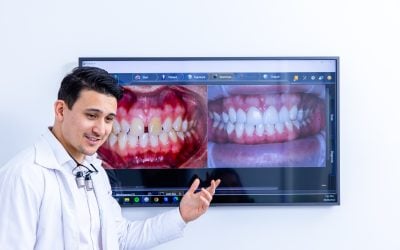
Dental Veneers Near Me: What Gisborne Residents Should Know Before Getting Started
Considering dental veneers? Learn what’s involved, what to expect, and how to find quality veneer treatment in the Gisborne and Macedon Ranges area.
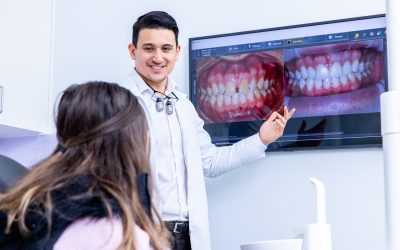
Cosmetic Dental Services Near Woodend: Your Local Options
Looking for cosmetic dental services near Woodend VIC? Comprehensive treatments available at New Gisborne Dental House. Complimentary first consultation.
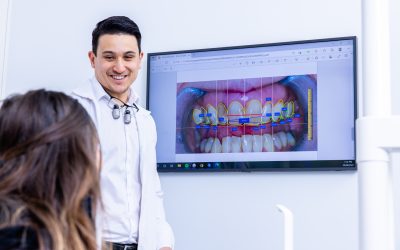
How to Find the Right Cosmetic Dentist Near Gisborne
Look for dentists with specific cosmetic training, experience with your desired treatment, before and after examples of their work, and modern technology. A thorough consultation where they listen to your goals is also important. Searching for a cosmetic dentist near...
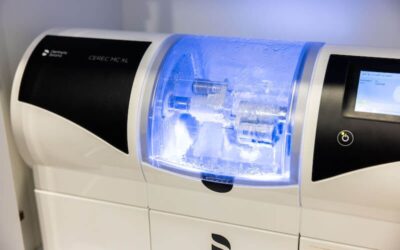
What Are the Advantages of Same-Day CEREC Crowns vs Traditional Crowns?
Discover same-day crown benefits with CEREC technology. Get your permanent crown in one visit at New Gisborne Dental House serving New Gisborne area.