

When You Want It All: Combining Cosmetic Treatments Without Looking Overdone
When You Want It All: Combining Cosmetic Treatments Without Looking Overdone
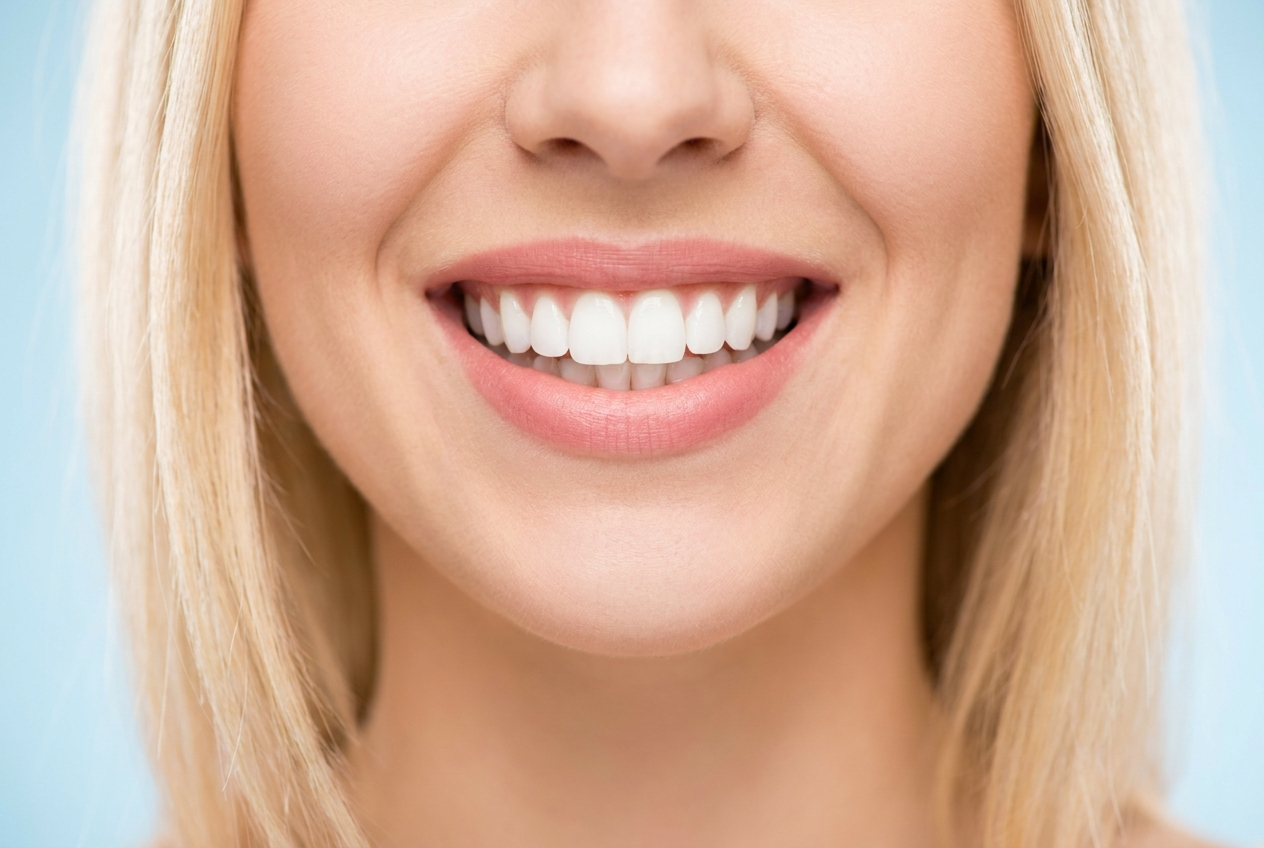
You’re not just looking to fix one tooth or address a single concern. You want a complete smile transformation. Maybe you’re considering veneers for your front teeth, whitening for the rest, and perhaps some contouring or gum reshaping too. It’s exciting, but there’s also a nagging worry: will it look fake?
This is where comprehensive aesthetic dentistry becomes as much art as science. Combining multiple treatments successfully requires understanding how they interact, planning the sequence carefully, and maintaining realistic expectations about what looks natural.
At New Gisborne Dental House, we help patients throughout Gisborne, Macedon, and Riddells Creek achieve complete smile transformations. Let’s talk about what makes the difference between a natural-looking result and an overdone appearance.
Starting With the End in Mind
The biggest mistake in comprehensive aesthetic dentistry is treating each concern individually without considering how everything works together.
Your smile doesn’t exist in isolation. It relates to your face shape, skin tone, age, personality, and lifestyle. A smile that looks perfect on someone else might look completely wrong on you.
Before any treatment begins, we need to understand what you’re hoping to achieve. What bothers you about your current smile? What do you like? Are there specific features you want to preserve?
These conversations matter because they reveal whether your expectations align with what’s achievable and what will actually look natural on you. According to Australian dental research, patient satisfaction is highest when expectations are realistic and clearly communicated from the start.
The Foundation: Oral Health First
Here’s something that often surprises people: comprehensive aesthetic dentistry can’t begin until your oral health is sorted.
You can’t place veneers on teeth with active gum disease. Whitening won’t work properly if you have untreated decay. The foundation phase might include treating gum disease, replacing failing fillings, or addressing cavities.
This isn’t the glamorous part, but it’s essential for long-term success. Trying to skip this foundation work inevitably leads to problems. Veneers fail, whitening results are patchy, or treatments don’t last as long as they should.
Sequencing Treatments in the Right Order
The order in which you undergo treatments significantly affects the final result.
Orthodontics typically comes first if you need it. Whether traditional braces or clear aligners, straightening your teeth creates the proper foundation for other cosmetic work. You can’t design veneers properly if your teeth are going to move afterwards.
Gum recontouring happens next if needed. If your gums are uneven or you show too much gum when smiling, addressing this before other treatments ensures everything else is designed for your final gum line.
Whitening comes before veneers or bonding. We match veneers and composite bonding to your tooth colour. If you whiten afterwards, your natural teeth will be lighter than your restorations, creating a mismatch.
Veneers, crowns, and bonding are typically the final step. These are matched to your now-whitened teeth and designed to work with your corrected gum line and straightened tooth positions.
Planning this sequence from the beginning prevents costly mistakes and ensures each treatment builds on the previous one.
Colour Considerations Across Treatments
One of the trickiest aspects of comprehensive aesthetic dentistry is getting colour right across different materials and treatments.
Natural teeth respond to whitening treatments. Veneers, crowns, and existing composite bonding don’t. If you have a mix of natural teeth and restorations, achieving uniform colour requires careful planning.
Many patients whiten their natural teeth first, then match new veneers or crowns to this brighter shade. But here’s what they don’t always consider: natural teeth can yellow again over time, particularly if you drink coffee or tea. Your veneers won’t, creating a potential mismatch.
The translucency of materials matters too. Natural teeth aren’t perfectly opaque. Light passes through them slightly, particularly at the edges. High-quality veneers replicate this translucency. Lower-quality materials can look flat and fake.
Your natural teeth also have subtle colour variations. Slightly darker near the gum line, perhaps a bit of characterisation near the biting edge. Good comprehensive aesthetic dentistry replicates these natural variations rather than creating a flat, uniform appearance.
Proportion and Harmony
Individual perfect teeth don’t necessarily create a perfect smile if the proportions are wrong.
The golden proportion suggests that in an ideal smile, the width of each tooth relates to its neighbours in specific ratios. Whilst not everyone needs to follow this precisely, understanding proportion helps avoid common mistakes.
Front teeth shouldn’t be too large or too long. They need to relate properly to your face. Teeth that are too white, too large, or too perfect can actually look worse than the imperfect smile you started with.
Your gum line matters too. The gum heights of your front teeth should follow a gentle curve, with your canines and central incisors typically at similar heights and your lateral incisors sitting slightly lower.
Working With Your Age and Features
What looks natural at 25 doesn’t necessarily look natural at 55, and vice versa.
Younger people naturally have longer teeth because they haven’t experienced wear yet. Some irregularity or slight crowding can look youthful and natural.
As we age, teeth wear down and often become slightly yellower. Trying to create a bright white, perfectly aligned, very long smile on someone in their 60s often looks incongruous with their facial ageing.
Good comprehensive aesthetic dentistry considers your age and creates a result that looks like an enhanced version of you, not like you’ve borrowed someone else’s teeth.
Managing Expectations and Limitations
Even with the best planning and execution, some limitations exist in comprehensive aesthetic dentistry.
You can’t completely change the size or position of your teeth without orthodontics or, in extreme cases, extracting teeth and using implants. Veneers can make some changes, but they’re not magic.
If you have a very high smile line, extensive gum work might be needed, and there are limits to how much gum tissue can safely be removed.
Existing bone loss, particularly from gum disease or missing teeth, affects what’s achievable.
At New Gisborne Dental House, we’re honest about what’s possible and what isn’t. We’ll show you what we can achieve and help you understand any limitations before you commit to treatment.
The timeline for comprehensive aesthetic dentistry varies depending on what you need. The complete process might take six months to a year or more because each treatment needs to be completed and healed before the next begins.
Ready to Discuss Your Complete Smile Transformation?
If you’re considering multiple cosmetic treatments and want to understand how to achieve natural-looking results, we’d be happy to create a comprehensive treatment plan. Our team works with patients throughout New Gisborne, Macedon, and Riddells Creek.
Call us on 03 5414 2844 or complete our enquiry form to arrange your consultation.
Frequently Asked Questions
How much does comprehensive aesthetic dentistry typically cost?
Costs vary significantly depending on which treatments you need. A complete transformation might range from several thousand to tens of thousands of dollars. During consultation, we’ll provide a detailed treatment plan with costs for each phase.
Can I do treatments gradually as I can afford them?
Yes, as long as the sequence is appropriate. We can create a staged treatment plan that allows you to proceed as your budget permits, ensuring each phase builds properly toward your final goal.
How long do comprehensive aesthetic results last?
With proper care, most treatments last 10 to 15 years or more. Regular maintenance, good oral hygiene, and wearing a night guard if you grind your teeth all extend the longevity of your results.
DISCLAIMER:
The content has been made available for informational and educational purposes only. New Gisborne Dental House does not make any representation or warranties with respect to the accuracy, applicability, fitness, or completeness of the content.
The content is not intended to be a substitute for professional personal diagnosis or treatment. Always seek the advice of your dentist or another qualified health provider with any questions you may have regarding a dental or medical condition. Never disregard professional advice or delay seeking it because of something you have read or seen on the Site.
Services we mentioned:


Related Articles
Adult Braces in Gisborne: An Honest Guide to Your Options
What are my options for adult braces in Gisborne? Adults considering orthodontic treatment in Gisborne have four main options: traditional metal braces, ceramic braces, clear aligners like Invisalign, and lingual braces. Each suits different cases. Book a...
How Much Is Professional Teeth Whitening in Gisborne? And Why It Costs More Than the Strips
How much is professional teeth whitening in Gisborne? Professional teeth whitening at New Gisborne Dental House is supervised by a registered dentist, uses a higher-strength clinical gel, and includes a personalised plan. The fee depends on the method (in-chair or...
How Much Does Teeth Whitening Cost in Gisborne? What Affects the Investment
How much does teeth whitening cost in Gisborne? Teeth whitening fees in Gisborne vary depending on whether you choose in-chair or take-home whitening, the condition of your teeth, and whether a scale and clean is needed first. Download our price guide for full...
Invisalign Cost in the Macedon Ranges: What Affects the Investment and How to Plan for It
How much does Invisalign cost in the Macedon Ranges? Invisalign treatment fees in the Macedon Ranges vary depending on the complexity of your case, the number of aligners required, and your individual treatment plan. Download our price guide for detailed information,...