
Why Your Upper Jaw Might Need Help Before Dental Implants
Why Your Upper Jaw Might Need Help Before Dental Implants
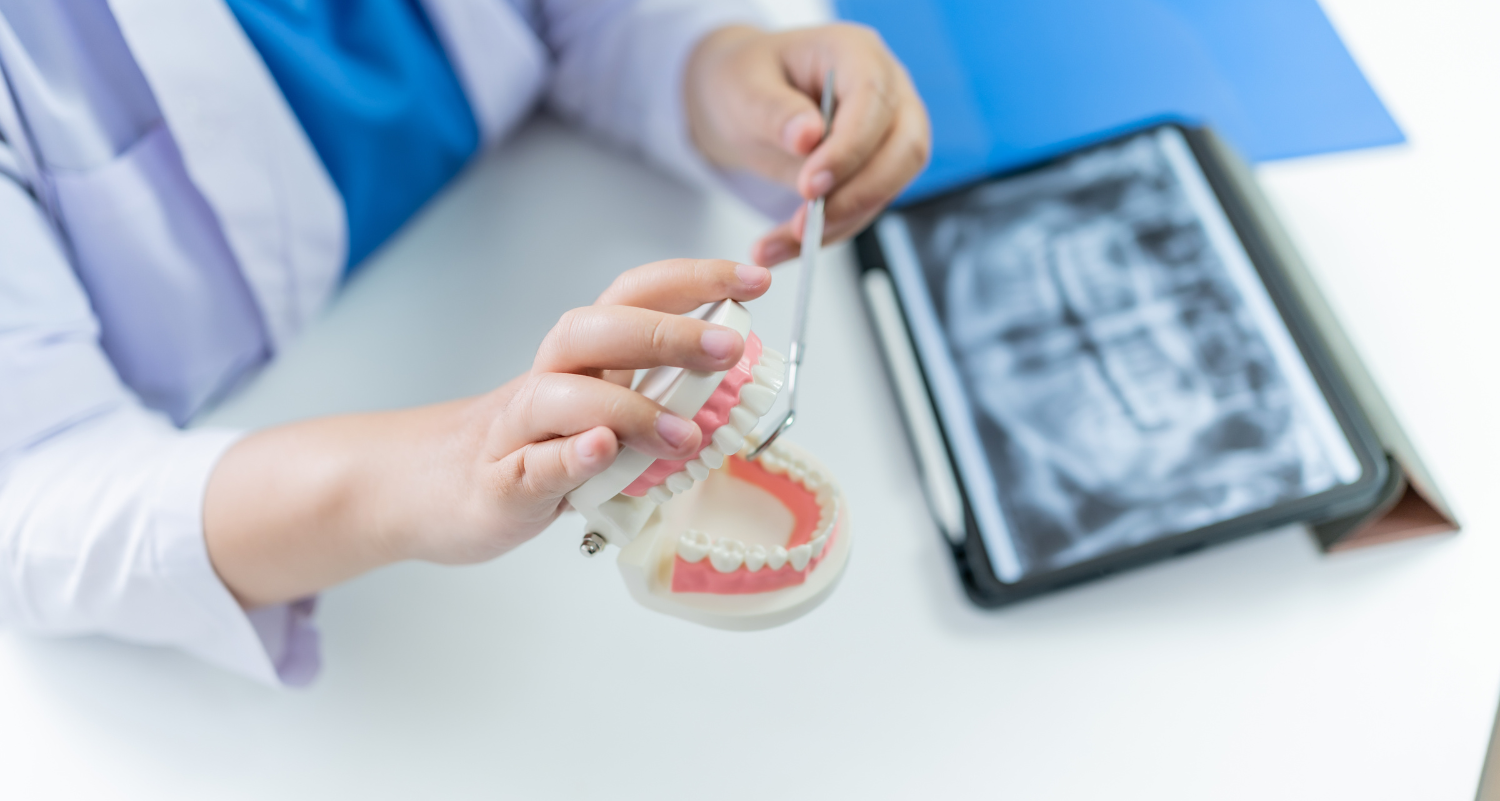
Here’s something that catches most people off guard: your upper jaw is naturally the weaker of the two. While your lower jaw is built like a fortress with dense, thick bone perfect for implants, your upper jaw is more like a delicate framework with thinner bone and those pesky sinuses taking up valuable real estate.
When David from Macedon lost his back molars five years ago, he assumed getting implants would be straightforward. “What I didn’t know was that my sinuses had basically moved into the space where my teeth used to be,” he told us. David needed what’s called a sinus lift dental implant procedure before he could get his new teeth.
If you’re living in Sunbury, Riddells Creek, or surrounding areas and considering dental implants for your upper jaw, there’s a good chance you’ll encounter the same reality David did. Let’s talk about why your upper jaw might need some extra help and how modern techniques can turn challenging situations into implant success stories.
The Upper Jaw Challenge: Why Nature Didn’t Plan for Implants
The anatomy of your upper jaw creates a perfect storm for implant complications. Unlike the solid, dense bone of your lower jaw, the upper jaw naturally has less bone volume and density. Add to this the maxillary sinuses – those air-filled spaces behind your cheekbones – and you’ve got limited real estate for implant placement.
When you lose upper back teeth, two things happen simultaneously. The bone that once supported those teeth starts to shrink away, and your sinuses begin to expand into the empty space. It’s your body’s way of filling the vacuum, but it’s terrible news for future implant placement.
The result? Many people missing upper teeth for more than six months find themselves with insufficient bone height for standard implants. This is where bone grafting and sinus lift procedures become essential.
Understanding Sinus Lift Dental Implant Procedures
A sinus lift might sound intimidating, but it’s actually one of the most predictable procedures in modern dentistry. The goal is simple: create more space between your sinus and your jawbone by gently lifting the sinus membrane and placing bone graft material underneath.
There are two main approaches. If you have at least 6mm of bone height, we can often perform an internal sinus lift at the same time as placing your implant. This minimally invasive technique involves accessing the sinus through the implant site itself.
For more significant bone loss, we use the lateral window technique. This involves creating a small window in the side of the sinus, lifting the membrane, and placing bone graft material. Most patients are surprised by how comfortable the procedure is with modern techniques.
The Bone Grafting Process: Building Your Foundation
Bone grafting is essentially creating scaffolding for your body to build new bone. We use various materials, from your own bone to specially processed animal or synthetic bone that’s been proven safe and effective over decades.
The most commonly used material in Australia is Bio-Oss, a bovine-derived bone substitute that’s been processed to remove all organic components. Your body recognises this as a template and gradually replaces it with your own bone over 4-9 months.
The healing process requires patience, but the results are worth it. During this time, your body is growing new jawbone that will provide a solid foundation for your implants.
What to Expect During Recovery
Recovery from sinus lift procedures is typically more comfortable than patients expect. Most people describe it as similar to having a tooth extracted, with some additional precautions around your sinuses.
The main things to remember are avoiding activities that create pressure in your sinuses. No heavy nose blowing, no drinking through straws, and ideally no flying for the first week. These activities can disturb the healing bone graft.
Most patients return to work within a few days and report only mild discomfort that’s easily managed with standard pain medication. The key is following post-operative instructions carefully.
Success Rates and Alternatives
Sinus lift procedures have excellent success rates when performed by experienced practitioners. Research shows success rates of over 95% for properly planned sinus augmentation procedures. The bone graft typically integrates completely within 4-9 months, creating a solid foundation for implant placement.
Not everyone needs extensive bone grafting. Short implants can sometimes be used when there’s limited bone height. Zygomatic implants represent another alternative for severely deficient upper jaws, anchoring into the cheekbone and bypassing the sinus area entirely.
Cost Considerations and Planning
Bone grafting and sinus lift procedures do add to the overall cost of implant treatment. In Australia, sinus lift procedures typically start around $1,500 per side, with bone grafting costs varying based on the amount needed.
However, it’s important to consider this as insurance for your implant investment. Attempting to place implants in insufficient bone often leads to complications and the need for more complex procedures later. Addressing bone deficiency upfront ensures predictable, successful outcomes.
Making the Right Choice for Your Situation
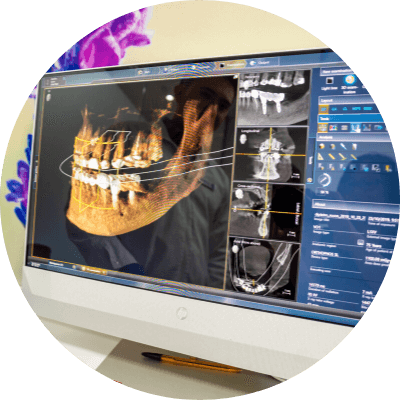
If you’re considering upper jaw implants, the first step is understanding your current bone situation. At New Gisborne Dental House, we use advanced 3D imaging to assess bone volume, sinus position, and implant feasibility accurately.
We’ll discuss all your options and help you understand the timeline and investment involved. Some patients are surprised to learn they don’t need grafting, while others benefit from understanding why the extra steps are necessary for long-term success.
The goal is always to provide you with a treatment plan that offers the best chance of long-term success while respecting your timeline and budget constraints.
The Bottom Line on Upper Jaw Implant Success
Upper jaw implant placement often requires more planning than lower jaw cases, but the results can be just as successful and long-lasting. Bone grafting and sinus lift procedures have become routine, predictable treatments that open implant possibilities for patients who might otherwise need to settle for dentures.
The key to success is working with an experienced team who understands the unique challenges of upper jaw implant placement. At New Gisborne Dental House, we’ve helped many patients overcome upper jaw challenges to achieve successful implant outcomes.
If you’ve been told you don’t have enough bone for upper jaw implants, modern bone grafting techniques might make implants possible when you thought they weren’t.
Ready to explore your options for upper jaw dental implants? Don’t let bone deficiency stop you from getting the smile you want. Contact New Gisborne Dental House today to schedule your comprehensive consultation. We’ll assess your bone situation and explain exactly what’s needed for successful implant treatment. Call us now or complete our enquiry form to discover what’s possible for your smile.
Frequently Asked Questions
How long does it take for bone grafting to heal before I can get implants?
Healing time depends on the type and amount of grafting needed. For minor bone grafting, we might wait 3-4 months before implant placement. For extensive sinus lift procedures, healing typically takes 4-9 months. While this seems like a long time, it’s essential for creating the strong foundation your implants need for long-term success.
Is sinus lift surgery painful?
Most patients are pleasantly surprised by how comfortable sinus lift procedures are. With modern anaesthesia and surgical techniques, the procedure itself is typically pain-free. Afterwards, most people describe discomfort similar to having a tooth extracted. Pain medication effectively manages any discomfort, and most patients return to normal activities within a few days.
What happens if the sinus membrane tears during surgery?
Membrane tears can occur but are manageable complications. If a small tear happens, it can usually be repaired with a protective membrane patch and the procedure continues as planned. In rare cases with larger tears, we might need to postpone the grafting to allow the membrane to heal first. This doesn’t affect the final outcome, just the timeline.
DISCLAIMER:
The content has been made available for informational and educational purposes only. New Gisborne Dental House does not make any representation or warranties with respect to the accuracy, applicability, fitness, or completeness of the content.
The content is not intended to be a substitute for professional personal diagnosis or treatment. Always seek the advice of your dentist or another qualified health provider with any questions you may have regarding a dental or medical condition. Never disregard professional advice or delay seeking it because of something you have read or seen on the Site.
Services we mentioned:

Related Articles
How Much Does a Dental Implant Cost in Gisborne VIC? What Affects the Investment
How much does a dental implant cost in Gisborne VIC? Dental implant fees in Gisborne vary based on the type of implant (single, bridge, or full arch), whether bone grafting or extractions are needed, and the materials used. Download our price guide for full details,...
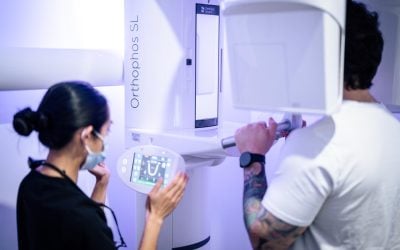
The Smile Makeover Process in Gisborne: What Actually Happens from Start to Finish
What is the process for a smile makeover in Gisborne? The smile makeover process starts with a complimentary consultation where we chat about your goals and check your dental health. Then comes any prep work needed, followed by your chosen cosmetic treatments, and...
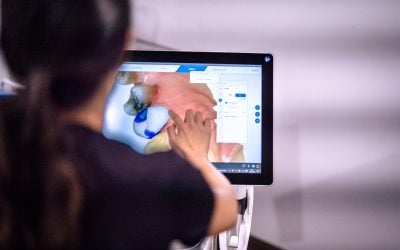
Looking for Smile Makeover Experts in the Macedon Ranges? Here’s What You Need to Know
Which dentist offers smile makeovers in the Macedon Ranges? New Gisborne Dental House offers smile makeovers in the Macedon Ranges. Dr Lyle, Dr Warren, and Dr Elly are all trained in cosmetic dentistry and work with treatments like veneers, whitening, Invisalign, and...
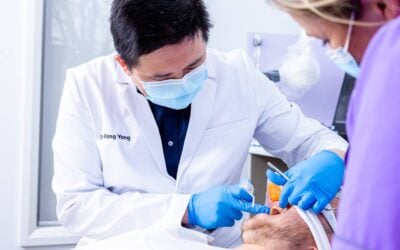
Waking Up After Dental Surgery: Your GA Recovery Timeline
Learn what to expect during post-GA dental recovery. Complete guide to recovering after general anaesthesia for dental procedures in Victoria.