
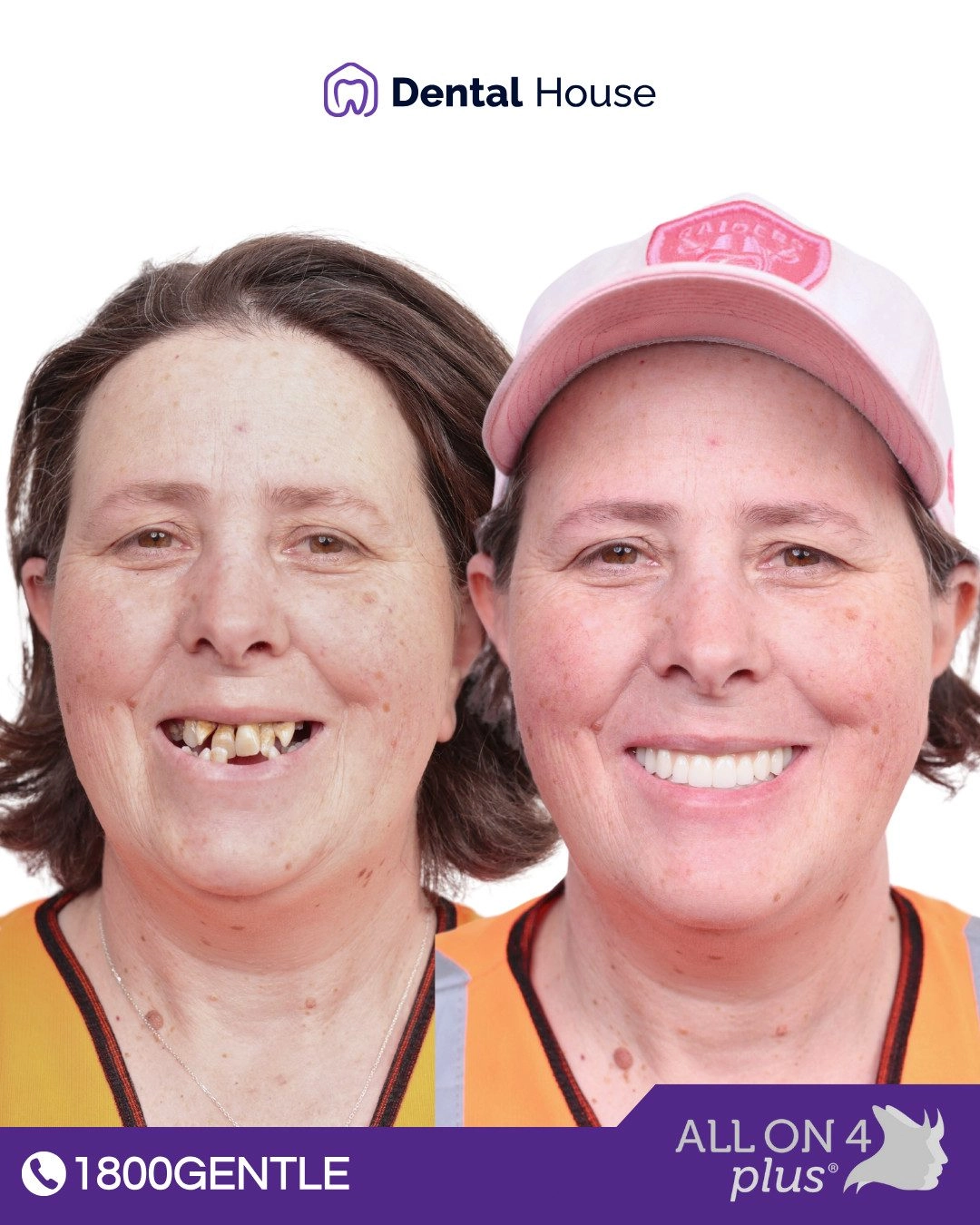
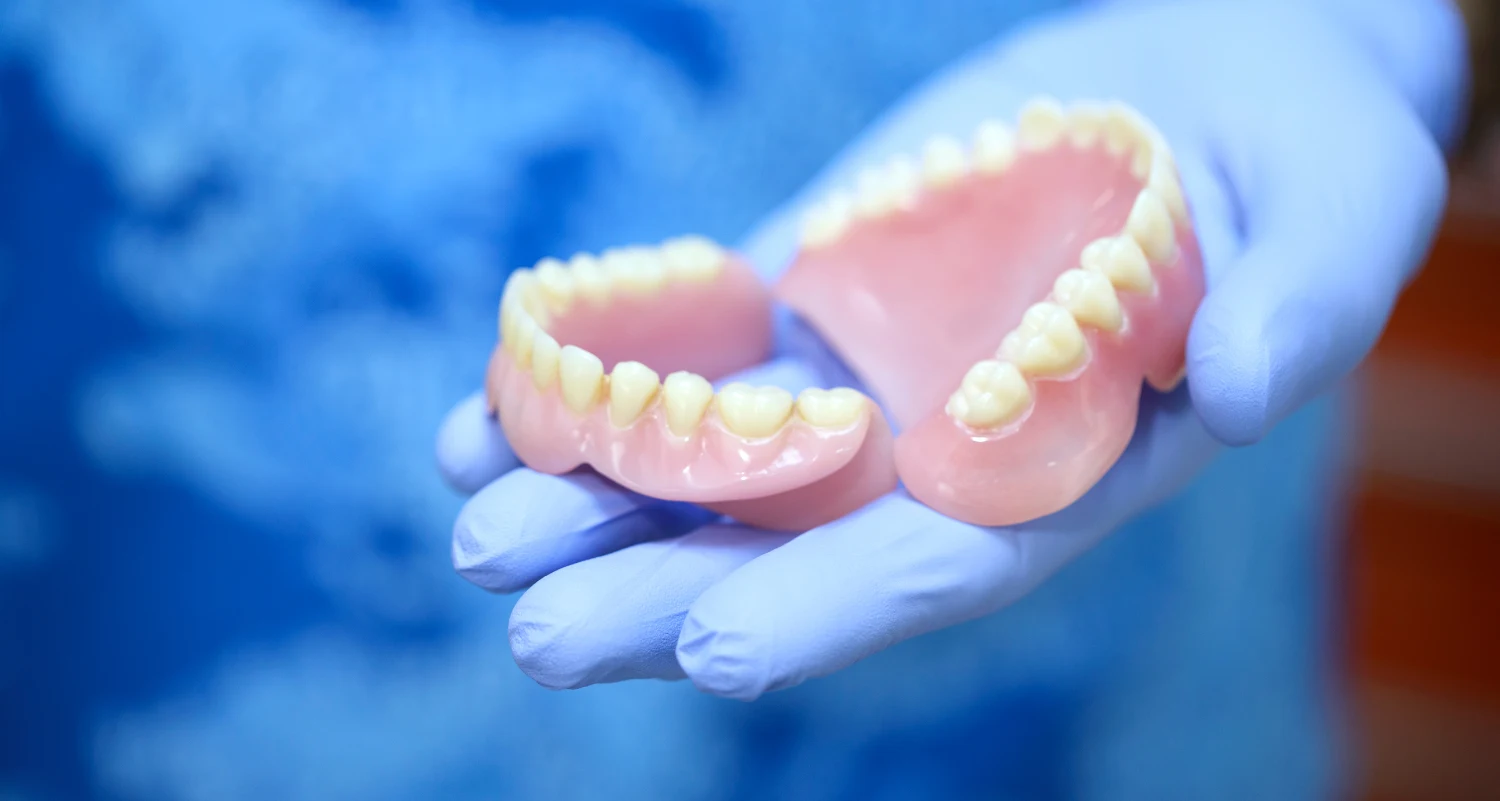
Let’s address the elephant in the room: if you’ve lost multiple teeth, you’re probably struggling to eat the foods you love. That morning apple? Forget about it. A nice steak dinner? Not happening. When people ask whether dentures can restore their chewing function and help with digestion, they’re really asking whether they can get their life back.
The relationship between tooth loss, chewing ability, and overall health is more significant than most people realise. According to the Australian Institute of Health and Welfare, tooth loss can reduce mouth functionality, making chewing and swallowing more challenging, which in turn can compromise nutrition and general health.
If you’re living in Sunbury, Macedon, or Riddells Creek and wondering whether dentures are the answer to your chewing difficulties, let’s explore what modern dentistry can actually deliver – and what limitations you should understand upfront.
The Reality About Chewing with Dentures
Here’s the truth that not everyone wants to hear: dentures will never chew exactly like your natural teeth did. Research shows that people with conventional dentures need about seven times more chewing cycles to reduce food to half its original size compared to those with natural teeth. That’s a significant difference.
However, this doesn’t mean dentures can’t dramatically improve your situation. Studies indicate that chewing efficiency as low as 25% is adequate for complete food digestion. Most well-fitting dentures can achieve this threshold, meaning you can maintain proper nutrition even with reduced chewing power.
The key factor is fit. Properly fitted dentures can generate bite forces of 60-80 Newtons, compared to 200 Newtons for natural teeth. While that’s a reduction, it’s sufficient for most foods when you adapt your eating approach.
How Dentures Improve Digestive Health
The digestive process begins in your mouth, not your stomach. When you can’t chew food properly, several problems cascade through your digestive system. Large, poorly chewed food particles are harder for your stomach to break down, potentially leading to digestive discomfort and poor nutrient absorption.
Well-fitted dentures restore much of this initial digestive function. By breaking food down into smaller, more manageable pieces, dentures help your digestive system work more efficiently. Many patients report reduced heartburn and digestive issues after adjusting to their new dentures.
Australian research shows that 12% of adults wear dentures, with significantly higher rates among older Australians – around 42% for those 65 and older. These numbers reflect not just tooth loss, but the recognition that dentures can restore both function and quality of life.
Adapting Your Eating Habits
The adjustment period for chewing with dentures requires patience and strategy. Start with soft foods like eggs, fish, and cooked vegetables. Cut everything into smaller pieces than you’re used to, and chew slowly using both sides of your mouth simultaneously.
Avoid sticky foods like caramel or chewing gum, at least initially. Hard foods like nuts or crusty bread might require more time to reintroduce, if at all. Many denture wearers find they need to modify how they prepare certain foods – grating apples instead of biting into them, for example.
The good news is that most people adapt within a few months. Studies show significant improvement in chewing ability and patient satisfaction within 12 months of receiving well-fitted dentures.
The Nutrition Connection
Poor chewing ability directly impacts food choices, often leading to a diet heavy in soft, processed foods that may lack essential nutrients. When people can’t chew fruits, vegetables, and proteins effectively, their overall nutrition suffers.
Dentures can reverse this decline. Research demonstrates that denture wearers show improvements in body weight, food intake variety, and overall nutritional status after adjustment to their new teeth. The ability to eat a wider range of foods means better access to vitamins, minerals, and proteins essential for health.
However, some dietary modifications may be permanent. Raw carrots might become cooked carrots, and tough cuts of meat might need to be avoided in favour of more tender options. The key is finding nutritious alternatives that work with your chewing capacity.
Comparing Denture Options
Not all dentures are created equal when it comes to chewing function. Conventional complete dentures, while effective, represent the baseline for chewing restoration. Implant-supported dentures or overdentures can significantly improve chewing efficiency and bite force.
Studies show that implant-retained overdentures can achieve bite forces of 150-170 Newtons – nearly double that of conventional dentures. The improved stability means better chewing efficiency and often expanded food choices.
At New Gisborne Dental House, we help patients understand the full spectrum of options, from traditional dentures to implant-supported solutions. The right choice depends on your bone health, budget, and functional goals.
Beyond Chewing: Overall Health Benefits
The benefits of restored chewing function extend beyond digestion. Proper chewing stimulates saliva production, which helps neutralise acids in your mouth and supports oral health. The improved nutrition from better food breakdown supports immune function and overall wellbeing.
Many patients report improved speech, enhanced self-confidence, and better social engagement. When you’re not worried about your teeth, you’re more likely to participate in family dinners and social activities involving food.
Research consistently shows connections between oral health and general health. Poor chewing function has been linked to malnutrition, digestive issues, and even cognitive decline in older adults. Dentures can help break this cycle.
Making the Right Choice
If you’re considering dentures, realistic expectations are crucial. The adjustment period is real – most people need several weeks to months to feel completely comfortable. Some foods may always require modification or avoidance.
However, for people with significant tooth loss, dentures often represent a dramatic improvement in function and quality of life. The ability to eat a varied diet, speak clearly, and smile confidently can be transformative.
At New Gisborne Dental House, we work with patients to determine whether conventional dentures, implant-supported options, or other solutions best meet their needs. The goal is always to maximise function while working within your budget and health constraints.
The Bottom Line on Dentures and Digestion
Dentures can significantly improve chewing function and support better digestion, but they require adaptation and realistic expectations. While they won’t replicate the exact function of natural teeth, well-fitted dentures enable most people to maintain proper nutrition and enjoy a varied diet.
The key to success lies in proper fitting, adequate adjustment time, and working with an experienced dental team who understands the challenges of tooth replacement. With the right approach, dentures can restore much of what you’ve lost and support both oral and general health.
Struggling with chewing difficulties due to tooth loss? Don’t let poor oral health impact your nutrition and wellbeing. Contact New Gisborne Dental House today to explore your denture options. Our experienced team will assess your situation and recommend the best solution for restoring your chewing function. Call us now or complete our enquiry form to schedule your consultation.
Frequently Asked Questions
Will I be able to eat all the same foods I enjoyed before?
While dentures restore significant chewing function, some dietary modifications are usually necessary. Most people can eat a wide variety of foods but may need to prepare them differently – cutting into smaller pieces, cooking vegetables longer, or choosing more tender cuts of meat. Your dental team can provide specific guidance based on your denture type.
Can poorly fitting dentures affect my digestion?
Absolutely. Loose or uncomfortable dentures reduce chewing efficiency, meaning food isn’t broken down properly before swallowing. This can lead to digestive discomfort, poor nutrient absorption, and nutritional deficiencies. Well-fitted dentures are essential for both comfort and digestive health. Regular adjustments and maintenance help ensure optimal function.