

“Too Old for Dental Implants?” The Truth About Age and Implant Success
“Too Old for Dental Implants?” The Truth About Age and Implant Success

Margaret from Macedon was 78 when she walked into our clinic, clutching a crumpled newspaper article about dental implants. She’d been wearing loose dentures for fifteen years, avoiding family dinners because she was embarrassed about her teeth slipping when she laughed. Her daughter had printed out the article and circled a line that read “age is no barrier to implant success.”
“Is this actually true?” Margaret asked, pointing to the article. “Or is this just marketing nonsense?”
Two years later, Margaret’s biting into corn on the cob at her granddaughter’s birthday party, something she hadn’t done since her fifties. Her story isn’t unique at New Gisborne Dental House. Nearly 13% of all dental implants in Australia are placed in people aged 65-74, and that number keeps climbing as more seniors discover what Margaret learned: your birth certificate doesn’t determine whether implants for seniors will work for you.
If you’re living in Gisborne, Macedon, or Riddells Creek and wondering whether you’ve missed your chance for a properly functioning smile, it’s time to separate fact from fiction about dental implants and aging.
What Actually Matters More Than Your Birthday
The number on your driver’s licence isn’t what determines whether dental implants will work for you. What matters is your overall health status, your bone quality, and your healing capacity. We’ve successfully placed implants in patients well into their 80s who are in good health, while sometimes younger patients with certain medical conditions might not be ideal candidates.
Research consistently shows that implants can integrate successfully in older patients when proper evaluation and treatment planning are followed. Yes, healing might take a bit longer as we age, but that doesn’t mean it won’t happen successfully. Many of our senior patients are actually ideal candidates because they’re highly motivated to maintain their oral health and follow post-treatment instructions carefully.
Breaking Down the Age Myths Around Dental Implants
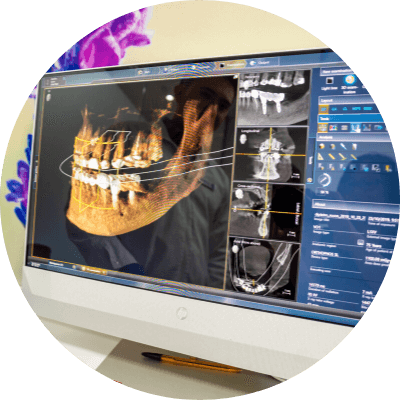
The most common concern we hear is “My bones are too old and weak.” While bone quality can change with age, it’s not automatically disqualifying. Modern implant techniques work with varying bone conditions, and we use advanced 3D imaging to assess your exact situation. Even with some bone loss, solutions like bone grafting can often create the right foundation.
Another myth is that surgery will be “too much” at your age. Implant surgery is typically much less invasive than people imagine. Most patients describe it as similar to having a tooth extracted. We take extra precautions with senior patients and coordinate with your healthcare providers when necessary.
Why More Seniors Are Choosing Implants
Many seniors have tried dentures and found them frustrating. Loose dentures that slip when you’re eating or talking, the constant need for adhesives, and dietary restrictions can significantly impact your quality of life. Dental implants eliminate these problems entirely. Your replacement teeth are fixed in place, feel like natural teeth, and allow you to eat whatever you want.
One concern seniors express is whether implants are worth the investment at their age. Here’s the reality: implants have success rates of 95-98% and can last 20 years or more with proper care. Even if you’re in your 70s, there’s an excellent chance your implants will last for the rest of your life. Compare this to dentures, which need replacement every 5-7 years, and the long-term value becomes clear.
Special Considerations for Older Patients
Certain medical conditions common in older adults, such as diabetes or heart disease, require special consideration but don’t automatically rule out implant treatment. The key is working with your medical team to ensure these conditions are well-managed. Some medications need careful evaluation, but with proper coordination between your dental and medical teams, many patients can still successfully receive implants.
At New Gisborne Dental House, we modify our approach for older patients to ensure optimal comfort and success. This might include staging treatment over longer periods, using conscious sedation, providing extra support with home care instructions, and scheduling more frequent follow-ups during healing.
Successful implant integration in seniors looks exactly the same as in younger patients. The implant fuses with your jawbone over several months, creating a permanent foundation. The difference might be in timing – where a 40-year-old might be ready for final teeth in 3-4 months, a 75-year-old might need 4-6 months. The end result is identical.
Making the Right Decision for Your Situation
If you’re considering implants for seniors, the first step is a comprehensive evaluation. At New Gisborne Dental House, this includes reviewing your medical history, current medications, oral health status, and bone structure using advanced 3D imaging. We’ll have an honest conversation about your goals, lifestyle, and any concerns.
Before pursuing treatment, consider these questions: Are you committed to maintaining excellent oral hygiene? Can you attend regular maintenance appointments? Do you have realistic expectations about healing time? Are your medical conditions well-controlled? If you can answer yes to these questions, age is unlikely to be a barrier to successful treatment.
Cost is always a consideration, especially for seniors on fixed incomes. However, implants represent a one-time investment that can last decades with proper care. Many seniors tell us they wish they had made this decision sooner, as the improvement in their daily life far exceeds the financial investment.
The Bottom Line on Age and Implant Success
Age alone is not a determining factor in implant success. What matters is your overall health, bone quality, commitment to care, and realistic expectations about the process. Research consistently shows that implants can integrate successfully in older patients when proper protocols are followed.
At New Gisborne Dental House, we’ve helped many seniors regain their smile and confidence through successful implant treatment. The key is thorough evaluation, careful planning, and choosing an experienced team who understands the unique needs of older patients.
If you’re wondering whether you’re too old for dental implants, the answer is probably no. The question isn’t whether you’re too old, it’s whether you’re ready to take the steps necessary for successful treatment.
Don’t let age hold you back from the smile you deserve. Contact New Gisborne Dental House today to schedule your comprehensive consultation. We’ll assess your individual situation and give you honest, expert advice about your implant options. Call us now at 03 5414 2844 or complete our enquiry form to discover what’s possible for your smile.
Frequently Asked Questions
Q: What’s the oldest age someone can get dental implants?
A: There’s no specific age limit for dental implants. We’ve successfully placed implants in patients well into their 80s and even 90s. What matters is your overall health, bone quality, and healing capacity rather than your chronological age. Each case is evaluated individually based on medical history, current health status, and specific oral conditions.
Q: Do dental implants take longer to heal in older patients?
A: Healing may take slightly longer in older patients, but successful integration still occurs. Where younger patients might be ready for final teeth in 3-4 months, seniors might need 4-6 months for complete osseointegration. This extended timeline doesn’t affect the final success rate – it just requires a bit more patience during the healing process.
Q: Are there any medical conditions that prevent seniors from getting implants?
A: Very few medical conditions completely prevent implant treatment, but some require special management. Well-controlled diabetes, heart conditions with medical clearance, and managed osteoporosis don’t usually rule out implants. The key is working with your medical team to ensure conditions are stable and getting appropriate clearance before treatment. We coordinate with your doctors to ensure safe, successful treatment.
DISCLAIMER:
The content has been made available for informational and educational purposes only. New Gisborne Dental House does not make any representation or warranties with respect to the accuracy, applicability, fitness, or completeness of the content.
The content is not intended to be a substitute for professional personal diagnosis or treatment. Always seek the advice of your dentist or another qualified health provider with any questions you may have regarding a dental or medical condition. Never disregard professional advice or delay seeking it because of something you have read or seen on the Site.
Services we mentioned:
Related Articles
Why Dental Implants Often Outperform Traditional Bridges
Discover the key advantages of dental implants over traditional bridges. Expert guidance from New Gisborne Dental House in Melbourne.
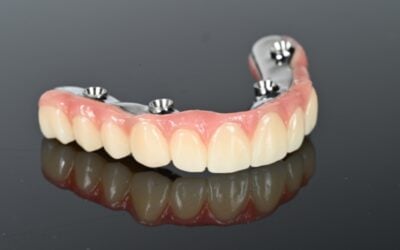
Why All-on-4 Plus® is the Gold Standard for Fixed Full Arch Replacement
Discover how All On 4 Plus® provides permanent fixed full arch teeth replacement. Expert treatment at New Gisborne Dental House serving Sunbury area.
Why Your Upper Jaw Might Need Help Before Dental Implants
Here's something that catches most people off guard: your upper jaw is naturally the weaker of the two. While your lower jaw is built like a fortress with dense, thick bone perfect for implants, your upper jaw is more like a delicate framework with thinner bone and...

Octogenarian Shares Dental Implant Experiences Over a Quarter Century
This article was inspired by a conversation I had with an Australia Post subagent. We interact with each other, generally, as we go about our daily lives. Often, we do not pay attention to many of the people that we meet because we feel that we just do not have the...