

How Long Will Your Filling Last? The Honest Answer
How Long Will Your Filling Last? The Honest Answer
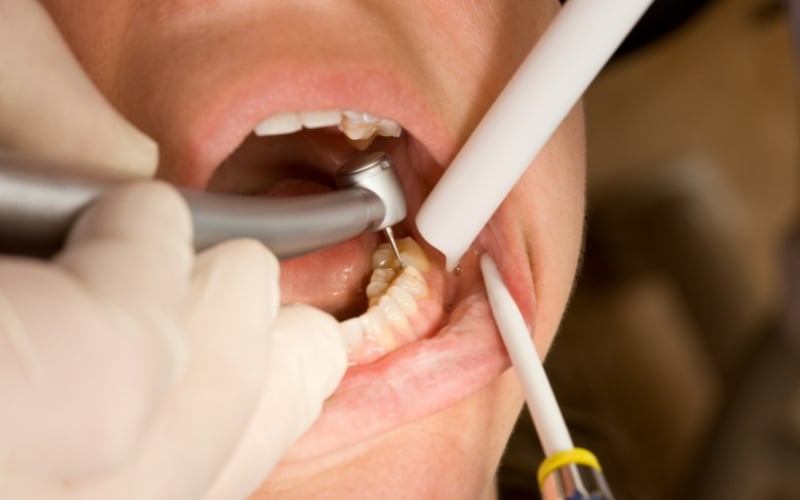
You’ve just had a filling placed, or you’re considering treatment for a cavity. One of the first questions that probably comes to mind is: how long will this actually last? It’s a fair question when you’re investing time and money in dental treatment.
The answer you’ll typically hear is “5 to 15 years,” which is frustratingly vague. Some fillings fail after three years, whilst others are still going strong after 25. Filling durability depends on numerous factors, many of which are entirely within your control.
At New Gisborne Dental House, we place fillings for patients throughout Gisborne, Macedon, and Riddells Creek almost daily. Let’s talk honestly about what actually determines how long your filling will last.
Different Materials, Different Lifespans
The material your filling is made from significantly influences its durability.
Amalgam fillings, those silver-coloured ones, have the longest track record. According to Australian dental research, amalgam fillings can last 15 to 25 years or more. They’re incredibly durable and handle chewing forces exceptionally well.
Composite resin fillings, which match your tooth colour, typically last 7 to 12 years. Modern composite materials have improved dramatically, but they don’t quite match amalgam’s longevity. They’re more prone to wear and staining over time, particularly in back teeth.
Glass ionomer fillings generally last 5 to 7 years. They’re often used in specific situations like root surfaces rather than as a long-term solution for chewing surfaces.
The material matters, but it’s only part of the story. How the filling is placed and how you care for it matter just as much.
Size and Location Make a Difference
Where your filling is and how large it is directly affect filling durability.
Small fillings generally last longer than large ones. A tiny filling that replaces a small amount of tooth structure puts less stress on the remaining tooth. Large fillings are more likely to fail because there’s less healthy tooth structure supporting them.
Location matters too. Fillings on chewing surfaces of back teeth experience tremendous force. Research shows human bite force can reach 200 pounds on molars. Fillings in these high-stress areas typically don’t last as long as those on front teeth.
Fillings between teeth face different challenges. Food packs into these areas, and they’re harder to clean properly, increasing the risk of new decay developing at the filling margins.
Your Bite and Grinding Habits
How you use your teeth significantly affects filling durability.
If you grind or clench your teeth, particularly at night, you’re putting enormous extra force on your fillings. This can cause them to crack, wear down prematurely, or debond from your tooth. According to dental studies, teeth grinding can generate forces up to three times normal chewing pressure.
An uneven bite concentrates forces on certain teeth. If your filling is on one of these teeth, it experiences more stress than it would with a balanced bite.
The good news is these factors are manageable. A night guard protects your fillings from grinding forces. Having your bite adjusted ensures forces distribute evenly across all your teeth.
Your Oral Hygiene and Diet
How you care for your teeth directly influences how long your fillings last.
Poor oral hygiene leads to new decay developing around filling margins. This is one of the most common reasons fillings fail. The filling itself doesn’t decay, but the tooth around it can, undermining the restoration.
Frequent snacking on sugary or acidic foods increases decay risk. Acidic drinks like soft drinks and fruit juices can erode the bond between your filling and tooth, leading to premature failure.
Regular brushing twice daily, flossing once daily, and attending dental check-ups every six months significantly extend filling durability. We can spot small problems before they become big ones.
Quality of the Original Placement
The technique used to place your filling matters enormously for its longevity.
Proper isolation during placement is crucial. Composite fillings require a completely dry environment to bond properly. Even slight moisture contamination compromises the bond, leading to early failure.
Adequate preparation of the cavity ensures all decay is removed and the filling has proper retention. Using appropriate bonding protocols and ensuring complete curing of composite materials affects long-term durability.
This is why choosing an experienced dental team matters. Proper technique makes a real difference in how long your filling lasts.
Warning Signs Your Filling Needs Attention
Recognising when a filling is failing helps you address problems before they escalate.
Increased sensitivity to hot, cold, or sweet foods can indicate issues. New or worsening pain when biting suggests the filling or tooth may be cracking. Rough or sharp edges where the filling was once smooth often mean wear or partial failure.
Visible gaps between the filling and tooth, discolouration around the filling margins, or pieces of filling breaking off all require prompt attention.
If you notice any of these signs, contact your dentist. Addressing problems early often means a simple filling replacement rather than more extensive treatment.
Maximising Your Filling’s Lifespan
You have considerable control over filling durability through your daily habits.
Maintain excellent oral hygiene by brushing thoroughly twice daily, flossing once daily, and using fluoride toothpaste. This prevents new decay from developing around your fillings.
Manage your diet by limiting sugary and acidic foods and drinks. When you do consume them, rinse your mouth with water afterwards.
Wear a night guard if you grind your teeth. This simple device can double or triple your filling’s lifespan by protecting it from excessive forces.
Attend regular dental check-ups. We’ll monitor your fillings, clean around them professionally, and catch any developing problems early.
Avoid using your teeth as tools. Don’t open packages, bite your nails, or chew on hard objects like ice.
Most fillings that fail prematurely do so because of preventable factors. Taking proper care of your teeth and fillings significantly extends their durability and saves you time, money, and discomfort in the long run.
Ready to Discuss Your Dental Filling Options?
If you need a filling or have concerns about existing fillings, we’d be happy to provide straightforward guidance about materials, placement, and care. Our team works with patients throughout New Gisborne, Macedon, and Riddells Creek.
Call us on 03 5414 2844 or complete our enquiry form to arrange your consultation.
Frequently Asked Questions
Can a filling last forever?
Whilst some fillings do last 20 or 30 years, no filling truly lasts forever. Eventually, all restorations wear out and need replacing. However, with excellent care and favourable conditions, properly placed fillings can last decades.
Why did my filling only last a few years?
Several factors can cause premature failure, including grinding habits, poor oral hygiene leading to new decay, an unfavourable bite, or issues with the original placement. Your dentist can assess what happened and help prevent it with your next filling.
Do white fillings wear out faster than silver fillings?
Generally yes, though modern composite materials have improved significantly. Amalgam fillings typically last longer, particularly in high-stress areas like molars. However, composite fillings offer superior aesthetics and can last many years with proper care.
DISCLAIMER:
The content has been made available for informational and educational purposes only. New Gisborne Dental House does not make any representation or warranties with respect to the accuracy, applicability, fitness, or completeness of the content.
The content is not intended to be a substitute for professional personal diagnosis or treatment. Always seek the advice of your dentist or another qualified health provider with any questions you may have regarding a dental or medical condition. Never disregard professional advice or delay seeking it because of something you have read or seen on the Site.
Services we mentioned:

Related Articles

When You Want It All: Combining Cosmetic Treatments Without Looking Overdone
Learn how to combine cosmetic dental treatments for natural-looking results. Expert comprehensive aesthetic dentistry at New Gisborne.
Crown vs Onlay: Which Tooth Restoration Do You Actually Need?
Learn the key differences between dental crowns and onlays. Discover which tooth restoration option suits your needs at New Gisborne Dental.

Sensitive Teeth & What You Can Do About Them?
You may well ask the question, why do I have sensitive teeth? Why me? There are a number of reasons why you may experience tooth sensitivity…

Scientifically, Is There Any Difference Between Toothpastes?
What’s the real difference between toothpastes? The market has four segments: whitening, herbal, sensitive and others…