

Crown vs Onlay: Which Tooth Restoration Do You Actually Need?
Crown vs Onlay: Which Tooth Restoration Do You Actually Need?
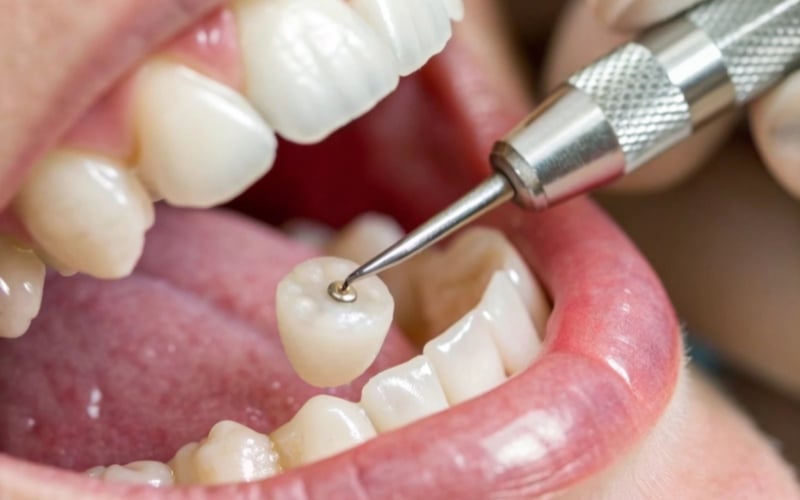
Your dentist has just told you that your tooth needs restoration, and now you’re facing a choice between a crown and an onlay. If you’re confused about the difference between onlay vs crown, you’re not alone. Most people have heard of crowns but draw a blank when onlays come up in conversation.
Here’s the thing: choosing between these two options isn’t just about cost or convenience. It’s about preserving as much of your natural tooth as possible whilst ensuring the restoration lasts. Understanding the onlay vs crown question helps you make an informed decision that’s right for your tooth.
At New Gisborne Dental House, we have these conversations regularly with patients from Gisborne, Macedon, and Riddells Creek. Let’s break down what each restoration actually involves and when one makes more sense than the other.
What Each Restoration Actually Is
Before comparing onlay vs crown options, it helps to understand what you’re actually getting with each treatment.
A crown is a complete cap that covers your entire tooth above the gum line. Think of it like a helmet that goes over your natural tooth. To place a crown, we need to reshape your entire tooth, removing a significant amount of structure all the way around. The crown then fits over this prepared tooth, restoring its shape, strength, and appearance.
An onlay is more conservative. It’s sometimes called a partial crown because it only covers the damaged portion of your tooth. Instead of capping the entire tooth, an onlay fits into and over the damaged area like a puzzle piece. We only remove the compromised tooth structure, leaving healthy tooth intact.
The fundamental difference? Crowns replace your tooth’s entire outer surface, whilst onlays preserve whatever healthy tooth structure you have left.
How Much Tooth Structure Gets Removed
This is perhaps the most significant difference between these two restorations.
For a crown, we need to prepare your entire tooth. This involves removing 1.5 to 2mm of tooth structure all the way around and on top. According to dental research, we remove approximately 60 to 75% of your tooth’s natural structure when preparing it for a crown. Once removed, that tooth structure is gone forever.
For an onlay, we only remove the damaged or decayed portion of your tooth. If your damage is limited to one or two surfaces, we preserve everything else. This typically means removing 30 to 50% of your tooth structure, depending on the extent of damage.
Why does this matter? Every bit of natural tooth you keep is valuable. Your natural tooth structure is stronger than any restoration material we have. Preserving healthy tooth reduces the risk of future fractures and complications.
When a Crown Is the Right Choice
Despite being more invasive, crowns are sometimes absolutely necessary. Understanding when a crown makes sense helps you feel confident about the recommendation.
Crowns are the right choice when your tooth has extensive damage. If decay or fractures affect most of the tooth, an onlay simply won’t provide adequate coverage or strength. You need the complete protection a crown offers.
After root canal treatment, teeth become more brittle because they no longer have a blood supply. Crowns protect these weakened teeth from fracturing under normal chewing forces.
Severely worn teeth from grinding or acid erosion often need crowns. When you’ve lost significant height from your teeth, crowns restore proper vertical dimension and protect what remains.
Teeth with large old fillings that are failing typically need crowns. Once a tooth has been filled extensively, there’s often not enough healthy structure left to support an onlay.
When an Onlay Makes More Sense
Onlays shine in situations where your tooth damage is significant but not catastrophic. They offer a middle ground between fillings and crowns.
If your tooth has a large cavity or fracture that’s too extensive for a regular filling but hasn’t compromised the entire tooth, an onlay is ideal. This commonly occurs with decay between teeth or damage affecting one or two cusps.
Onlays work beautifully for replacing old, large fillings before they fail completely. Rather than waiting for the filling to break and then needing a crown, an onlay prevents that progression whilst preserving healthy tooth structure.
According to the Australian Dental Association, onlays can be particularly valuable for teeth that haven’t had root canal treatment. Preserving more natural tooth structure maintains better long-term vitality.
Comparing Strength and Durability
You might worry that because onlays are more conservative, they’re somehow weaker or less durable. That’s not necessarily true.
Modern onlays made from materials like porcelain or zirconia are incredibly strong. When properly designed and bonded, they can withstand normal chewing forces just as effectively as crowns. Research shows that well-made onlays have success rates comparable to crowns, around 90 to 95% over 10 years.
The key is appropriate case selection. An onlay works brilliantly when the remaining tooth structure is healthy and sufficient to support it. Crowns have an advantage in teeth with very little remaining structure, where complete coverage provides protection that an onlay can’t match.
The Cost and Treatment Considerations
Let’s be honest, cost influences many dental decisions. Onlays typically cost less than crowns because they require less tooth preparation and slightly less material. However, they’re more expensive than standard fillings due to the custom fabrication required.
Think about long-term value too. An onlay that preserves healthy tooth structure may serve you better over decades than a crown that removes more tooth. However, a crown on a severely damaged tooth will outlast an inadequate onlay.
The treatment process is quite similar for both. Both typically require two appointments. At the first visit, we prepare your tooth, take impressions, and place a temporary restoration. At the second visit, we remove the temporary and bond your permanent restoration in place.
Making the Right Choice for Your Tooth
So when you’re facing the onlay vs crown decision, what actually matters?
The extent of your damage is the primary consideration. Your dentist will assess how much healthy tooth structure remains and whether it’s sufficient to support an onlay.
Your tooth’s location matters too. Back teeth that handle heavy chewing forces sometimes benefit from the complete protection of a crown, whilst onlays work perfectly well in other situations.
At New Gisborne Dental House, we’ll examine your tooth carefully, explain what we find, and recommend the most appropriate option. We favour conservative approaches when possible, but we’ll always be honest about when a crown is genuinely necessary for your tooth’s long-term health.
Ready to Discuss Your Tooth Restoration Options?
If you need a tooth restored and want to understand whether an onlay or crown makes the most sense for your situation, we’d be happy to provide straightforward guidance. Our team works with patients throughout New Gisborne, Macedon, and Riddells Creek.
Call us on 03 5414 2844 or complete our enquiry form to arrange your consultation.
Frequently Asked Questions
Can an onlay be upgraded to a crown later if needed?
Yes. If your tooth later develops additional problems requiring more coverage, we can prepare it for a crown. The tooth structure removed for the onlay doesn’t prevent future crown placement, though additional preparation would be needed.
How long do onlays typically last compared to crowns?
Both can last 10 to 15 years or more with proper care. Longevity depends more on the quality of the restoration, your oral hygiene, and your bite forces than on which type you choose.
Are onlays stronger than large fillings?
Yes, considerably. Onlays are fabricated outside your mouth from strong materials like porcelain or zirconia, then bonded to your tooth. This makes them much more durable than direct fillings for large restorations.
DISCLAIMER:
The content has been made available for informational and educational purposes only. New Gisborne Dental House does not make any representation or warranties with respect to the accuracy, applicability, fitness, or completeness of the content.
The content is not intended to be a substitute for professional personal diagnosis or treatment. Always seek the advice of your dentist or another qualified health provider with any questions you may have regarding a dental or medical condition. Never disregard professional advice or delay seeking it because of something you have read or seen on the Site.
Services we mentioned:
Related Articles
When You Want It All: Combining Cosmetic Treatments Without Looking Overdone
Learn how to combine cosmetic dental treatments for natural-looking results. Expert comprehensive aesthetic dentistry at New Gisborne.

How Long Will Your Filling Last? The Honest Answer
Discover what factors affect filling durability and how long different types last. Expert guidance from New Gisborne Dental House Victoria.
Choosing Crown Materials: What Actually Goes on Your Implant?
Learn about different implant crown materials and which might work best for your dental restoration. Expert guidance from New Gisborne.

Why Dental Implants Often Outperform Traditional Bridges
Discover the key advantages of dental implants over traditional bridges. Expert guidance from New Gisborne Dental House in Melbourne.