
Choosing Crown Materials: What Actually Goes on Your Implant?
Choosing Crown Materials: What Actually Goes on Your Implant?
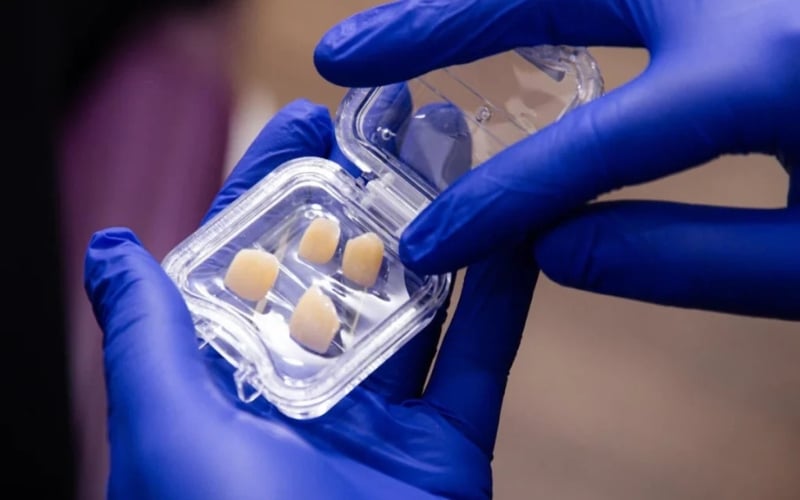
When you’re investing in a dental implant, you’re probably focused on the titanium post that goes into your jawbone. That makes sense, it’s the foundation of everything. But here’s what many people don’t realise until later: the crown that sits on top matters just as much for how your implant looks, feels, and lasts.
The material your crown is made from affects its strength, appearance, longevity, and even how it interacts with your other teeth. Yet most patients never get a clear explanation of their options or why one material might work better than another for their specific situation.
At New Gisborne Dental House, we believe you should understand what’s going into your mouth and why. Whether you’re in Gisborne, Macedon, or Riddells Creek, let’s walk through the main implant crown materials available and what makes each one worth considering.
Why Crown Material Actually Matters
Before we dive into specific materials, it’s worth understanding why this choice is more than just cosmetic.
Your crown needs to withstand significant forces. According to dental research, human bite force can reach 200 to 250 pounds of pressure on molars. That’s a lot of stress for a single tooth to handle, meal after meal, day after day.
The material also needs to look natural, especially if your crown is visible when you smile. It should match your other teeth in colour, translucency, and the way light reflects off it. Some materials excel at this, whilst others are more obviously artificial.
Then there’s biocompatibility. Your crown sits in your mouth constantly, interacting with your gums, saliva, and opposing teeth. The material needs to be safe, non-reactive, and gentle on the teeth it bites against.
Finally, longevity matters. You’re making a significant investment, and you want it to last. Different materials have different track records for durability and resistance to wear, chipping, and staining.
Porcelain-Fused-to-Metal Crowns
Porcelain-fused-to-metal (PFM) crowns have been around for decades. They combine a metal base for strength with a porcelain outer layer for aesthetics.
The metal substructure, usually a gold or base metal alloy, provides excellent durability. The porcelain coating gives a tooth-like appearance that can be matched to your natural teeth. This combination made PFM crowns the standard choice for many years.
However, they come with some drawbacks. The metal underneath can sometimes show through as a dark line at the gum margin, particularly if your gums recede over time. This makes them less ideal for front teeth where aesthetics matter most.
PFM crowns can also cause more wear on opposing teeth than some other materials. The porcelain surface is harder than natural enamel, which means the teeth biting against it may wear down faster.
That said, PFM crowns remain a solid choice for back teeth where strength is the priority and appearance is less critical. They’re generally more affordable than all-ceramic options, which matters if you’re working within a budget.
All-Ceramic and All-Porcelain Crowns
All-ceramic crowns represent the current standard for combining aesthetics with performance. These crowns contain no metal, relying entirely on advanced ceramic materials for their strength.
The aesthetic advantage is significant. All-ceramic crowns can be made to match the exact colour, translucency, and light-reflecting properties of natural teeth. They’re particularly valuable for front teeth where appearance matters most. There’s no metal to show through at the gum line, even if your gums recede slightly over time.
Modern ceramic materials, particularly zirconia-based ceramics, are remarkably strong. They can handle the chewing forces on back teeth whilst maintaining their appearance. According to dental studies, modern all-ceramic crowns have success rates comparable to PFM crowns, around 95% over ten years.
All-ceramic crowns are also gentler on opposing teeth. They’re slightly softer than PFM crowns, which means less wear on the teeth biting against them.
The main consideration is cost. All-ceramic crowns typically cost more than PFM options due to the materials and fabrication techniques required. However, many patients feel the aesthetic benefits justify the additional investment, particularly for visible teeth.
Zirconia Crowns
Zirconia deserves special mention because it’s become increasingly popular for implant crown materials.
Zirconia is a type of ceramic, but it’s exceptionally strong. It’s actually used in various industrial applications because of its durability. For dental purposes, this strength makes zirconia ideal for areas that experience heavy chewing forces, like molars.
There are two main types of zirconia crowns. Solid zirconia is incredibly strong but can look slightly opaque, making it less ideal for front teeth. Layered zirconia has a zirconia core with porcelain layered on top for better aesthetics, combining strength with appearance.
Recent advances have produced high-translucency zirconia that looks more natural whilst maintaining strength. This development has made zirconia an increasingly versatile choice for both front and back teeth.
Zirconia is also biocompatible and tends to accumulate less plaque than some other materials. The smooth surface is easy to keep clean, which benefits your gum health long-term.
Gold and Other Metal Alloys
Whilst less common now for aesthetic reasons, gold and gold alloy crowns still have their place, particularly for back teeth where they’re not visible.
Gold is exceptionally durable and gentle on opposing teeth. It wears at a similar rate to natural enamel, which helps maintain a healthy bite. Gold crowns rarely chip or fracture, and they require minimal tooth preparation.
According to the Australian Dental Association, gold crowns can last 20 years or more with proper care, often outlasting other materials. They’re also very biocompatible, causing minimal reaction in surrounding tissues.
The obvious drawback is appearance. Gold crowns look like gold, which most people find unappealing for visible teeth. They’re also relatively expensive due to the precious metal content.
Some patients choose gold for back molars where durability matters most and aesthetics matter least. It’s a pragmatic choice that prioritises function and longevity.
Making the Right Choice for Your Situation
So which implant crown material is right for you? The answer depends on several factors.
For front teeth, all-ceramic crowns typically make the most sense. The aesthetic advantage is worth the investment when your smile is on display. For back teeth, you have more options. Zirconia offers excellent strength with reasonable aesthetics. PFM crowns provide durability at a lower cost if appearance isn’t critical.
Your bite pattern matters too. If you grind your teeth or have a heavy bite, durability becomes more important. Your budget obviously plays a role, though it’s worth remembering that cheaper options may need replacing sooner.
At New Gisborne Dental House, we discuss these factors during your consultation. We’ll examine your specific situation, explain which materials would work best, and help you make an informed decision that balances your priorities.
Ready to Discuss Your Implant Crown Options?
If you’re considering dental implants and want to understand which crown material makes sense for your needs, we’d be happy to explain your options in detail. Our team works with patients throughout New Gisborne, Macedon, and Riddells Creek.
Call us on 03 5414 2844 or complete our enquiry form to book your consultation.
Frequently Asked Questions
How long do different crown materials typically last?
Gold crowns can last 20 years or more, whilst modern all-ceramic and zirconia crowns typically last 10 to 15 years. PFM crowns fall somewhere in between. Actual longevity depends on your bite, oral hygiene, and regular maintenance.
Can I choose different materials for different teeth?
Absolutely. Many patients choose all-ceramic for front teeth where aesthetics matter, and zirconia or PFM for back molars where strength is the priority. We’ll help you decide what makes sense for each position.
Will my crown material affect how it feels in my mouth?
Modern crown materials feel very similar to natural teeth once you’ve adjusted. The surface texture and contours matter more for comfort than the underlying material. All options we use are designed to feel natural.
DISCLAIMER:
The content has been made available for informational and educational purposes only. New Gisborne Dental House does not make any representation or warranties with respect to the accuracy, applicability, fitness, or completeness of the content.
The content is not intended to be a substitute for professional personal diagnosis or treatment. Always seek the advice of your dentist or another qualified health provider with any questions you may have regarding a dental or medical condition. Never disregard professional advice or delay seeking it because of something you have read or seen on the Site.
Services we mentioned:
Related Articles
When You Want It All: Combining Cosmetic Treatments Without Looking Overdone
Learn how to combine cosmetic dental treatments for natural-looking results. Expert comprehensive aesthetic dentistry at New Gisborne.
Crown vs Onlay: Which Tooth Restoration Do You Actually Need?
Learn the key differences between dental crowns and onlays. Discover which tooth restoration option suits your needs at New Gisborne Dental.

Why Dental Implants Often Outperform Traditional Bridges
Discover the key advantages of dental implants over traditional bridges. Expert guidance from New Gisborne Dental House in Melbourne.

Fixed Prosthodontics: What Are They & Why Are They Suddenly Famous?
Metallic fixed prosthodontics obviously don’t come cheap. Kanye “Ye” West & Thomas Connelly, the father of diamond dentistry, have brought fame …